
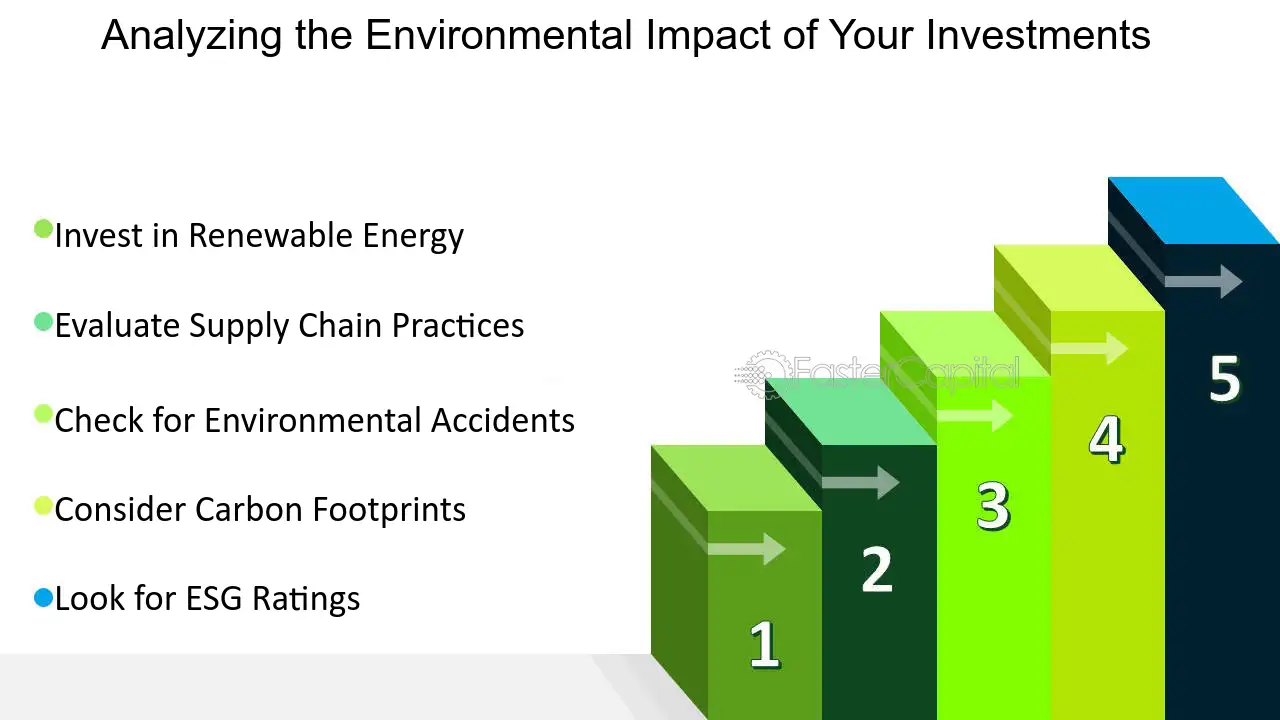
As an increasing number of travelers and investors adopt eco-conscious values, understanding the environmental impact of your investments has never been more critical. Not only does it provide a sense of ethical satisfaction, but it also enables you to make informed decisions that align your financial goals with the health of our planet. In this guide, we’ll explore how to evaluate the impact of your investments on the environment, with practical tips and insights that can help you make a change for the better.
Understanding the Importance of Sustainable Investments
Why It Matters
The concept of sustainable investments has gained traction over the past few decades as individuals and institutions alike realize the urgent need to address climate change and its far-reaching consequences. According to a report by the Global Sustainable Investment Alliance, global sustainable investment reached $30.7 trillion in 2018—a 34% increase from 2016. The growth signals a shift in investor priorities, where financial returns are increasingly evaluated alongside social and environmental impacts.
Eco-Conscious Travelers and Investors
As travelers, our choices often involve supporting local economies, ethical tourism, and environmentally responsible businesses. These discussions naturally extend to our investment choices. As an eco-conscious traveler and investor, pursuing sustainable options not only enhances your travel experience but can also contribute positively to the environment.
Steps to Evaluate the Environmental Impact of Your Investments
1. Research Sustainable Investment Options
When evaluating your investment portfolio, start by understanding the types of sustainable investments available. Common options include:
-
Socially Responsible Investments (SRI): This involves selecting securities based on ethical guidelines, avoiding companies engaged in harmful practices such as tobacco, fossil fuels, or weapons manufacturing.
-
Environmental, Social, and Governance (ESG) Investing: This longer-term approach considers a company’s environmental practices, social responsibility, and governance structure.
-
Impact Investing: This is aimed at generating measurable social and environmental impacts alongside a financial return.
Spend some time researching these different investment styles, focusing on funds or companies that prioritize sustainability in their operations. Websites like MSCI and Sustainalytics provide performance analytics and ratings for companies based on their ESG factors.
2. Analyze Company Practices
Once you’ve narrowed down companies or funds of interest, delve into their sustainability practices. Here are some key areas to assess:
-
Carbon Footprint: Investigate the company’s carbon emissions and any policies they have in place to reduce their impact. Are they committed to net-zero emissions by a certain date?
-
Waste Management: Look at how the company manages waste—do they employ recycling programs, composting initiatives, or responsible disposal methods?
-
Resource Use: Determine how responsibly the company uses resources. Companies that use renewable energy sources, conserve water, and minimize land use are often more sustainable.
-
Supply Chain Transparency: Does the company engage in ethical sourcing? Understanding their supply chain and adherence to sustainable practices also plays a significant role in evaluating their environmental impact.
3. Look for Certifications
Certifications can serve as badges of honor for companies committed to sustainability. When assessing investments, notice which organizations provide certifications, such as:
-
B Corporation Certification: This certification is awarded to for-profit companies that commit to high social and environmental performance.
-
LEED Certification: A designation for buildings that meet certain sustainability criteria, an important aspect if investing in real estate.
-
Fair Trade Certification: Indicates ethical labor practices, sustainability, and fair wages, which are particularly relevant if you invest in consumer products.
These certifications can simplify your evaluation process by providing you with credible proof of sustainability.

- Overcome negative thought patterns, reduce stress, and live a worry-free life
- Overthinking is the biggest cause of unhappiness
- Don't get stuck in a never-ending thought loop
- Stay present and keep your mind off things that don't matter, and never will
- Break free of your self-imposed mental prison
4. Utilize Sustainable Investment Platforms and Funds
Another straightforward way to evaluate your investments is to utilize platforms specializing in sustainable investing. These platforms curate lists of sustainable funds and companies, and they often provide detailed impact reports. Some notable sustainable investment platforms include:
-
Ethos: Ethos provides personalized investment portfolios with high ESG ratings.
-
Swell Investing: A platform that allows investors to fund concerns ranging from clean water to renewable energy.
-
OpenInvest: Provides customizable portfolios that align with your values.
Such platforms often make the investment process simpler by offering insights into company practices and their carbon footprints, allowing you to invest with social responsibility in mind.
5. Measure and Set Goals
Once you’ve established a sustainable investment strategy, it’s essential to set measurable goals. Consider questions like:
-
What environmental impacts do I wish to prioritize?
-
How can I track my progress toward these goals?
-
What percentage of my portfolio should be allocated to sustainable investments?
Funds and companies that value transparency often publish annual sustainability reports. These reports should contain data on environmental impacts, social initiatives, and overall governance. By systematically analyzing these reports, you can track your investments against your personal sustainability goals.
6. Engage with Financial Advisors
If the world of sustainable investing feels overwhelming, consider consulting a financial advisor knowledgeable in the field. An advisor can help you evaluate the impact of your investments while ensuring that they align with your financial goals. Look for advisors who specialize in SRI or ESG strategies, as they will have the expertise to provide tailored recommendations.
7. Stay Informed and Adaptable
Sustainability is an ever-evolving field, and staying informed has never been more critical. Subscribe to newsletters or follow blogs focused on sustainable investing to keep abreast of the latest trends and research. Additionally, many organizations provide updates on regulations and best practices related to responsible investing, so don’t forget to check their websites.
Engaging with like-minded individuals can offer valuable support and information. Attend local events, join online communities, or participate in forums where people share insights into sustainable investing. Networking can provide you with inspiration, tips, and even potential investment opportunities.
The Future of Sustainable Investing
The commitment to sustainable investing is expected to grow in the coming years, especially as governments and businesses increasingly prioritize carbon neutrality and sustainable practices. With the rise of consumer activism and social responsibility, companies are responding to market pressures for sustainable practices. As a traveler and investor, understanding how your choices resonate in the broader context of environmental sustainability ensures that you’re contributing to a better world.
Conclusion
Evaluating the impact of your investments on the environment is a multi-faceted process that requires diligent research, foresight, and genuine commitment. By following these steps, including thorough research, using sustainable platforms, analyzing company practices, and engaging with fellow eco-conscious investors, you can ensure that your financial choices reflect your values while positively impacting the planet.
Whether you’re an avid traveler seeking eco-friendly accommodations or an investor prioritizing sustainability, both avenues offer opportunities to support a healthier, sustainable future. By making informed, conscientious choices, you are not just investing in your financial future—you’re also investing in the health of our planet.


