
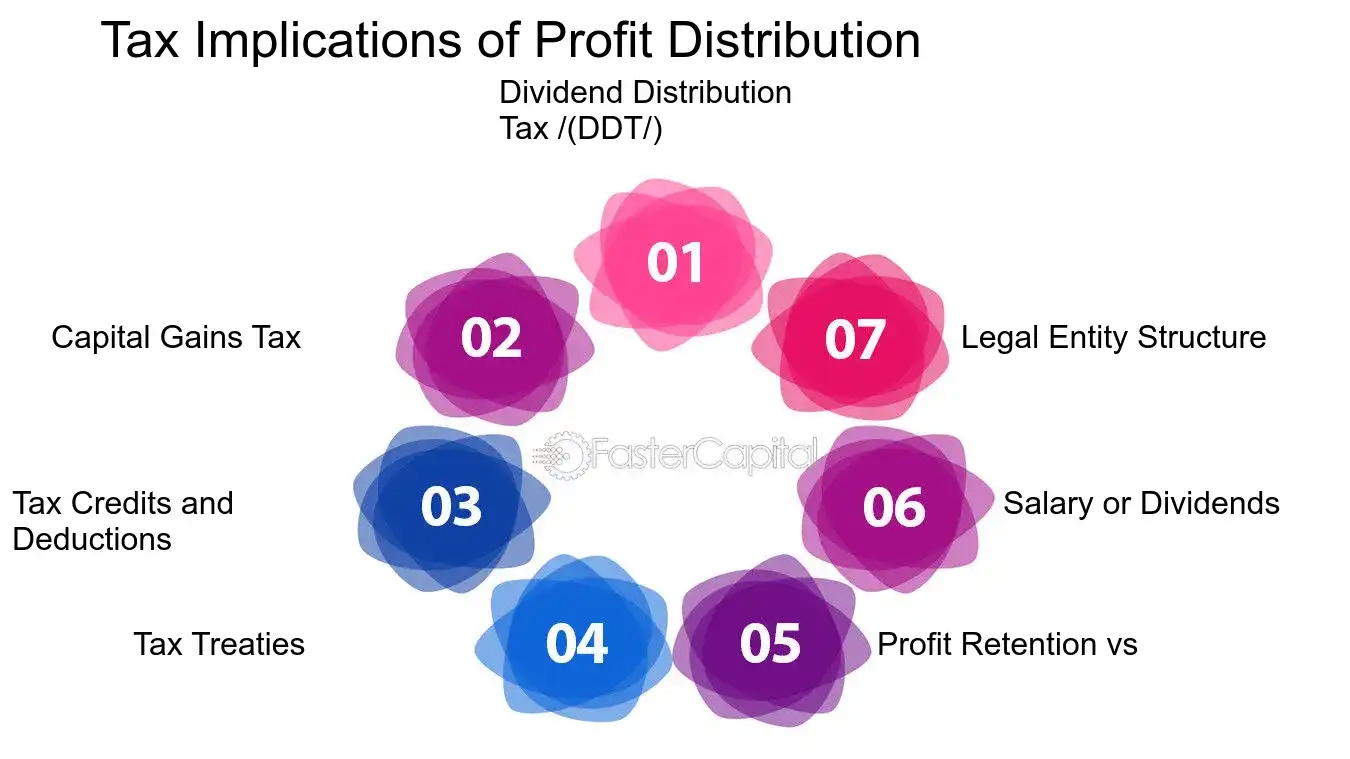
Starting a business is an exhilarating journey filled with challenges and rewards. As an entrepreneur, one of the most crucial aspects you’ll encounter is understanding how to handle profit distribution taxes. This vital topic can sometimes be overlooked, but grasping how taxes affect your startup’s profits can directly influence your long-term success. In this article, we’ll delve deep into what profit distribution taxes are, how they work, and the best strategies to manage them effectively.
Understanding Profit Distribution
Before we dive into taxes, it’s important to clarify what profit distribution means. In simple terms, after your business generates revenue and covers its operating expenses, the remaining money is profit. As a startup founder, you have the option to distribute these profits among the owners, shareholders, or reinvest in the business.
Types of Business Structures and Their Profit Distribution
The way profit is distributed and taxed largely varies depending on your business structure. Here’s a brief overview of popular business structures in the United States:
-
Sole Proprietorship: All profits flow directly to the owner, who reports them as personal income, subjecting them to income tax.
-
Partnership: Similar to sole proprietorships, profits pass through to partners, who then report and pay taxes on their share.
-
LLC (Limited Liability Company): Profits can be passed through to members or taxed at the corporate level, depending on the chosen structure.
-
Corporation (C Corp): Corporations are liable for income taxes at the corporate level, and shareholders are taxed again when profits are distributed as dividends.
-
S Corporation: An S Corp allows profits to flow through to shareholders as personal income, avoiding double taxation like C Corps.
Understanding your business structure is the first step in handling profit distribution taxes effectively.
The Tax Implications of Profit Distribution
Now that we’ve established the basic concepts, let’s dive into the tax implications of profit distribution. Here’s how different business types manage taxes:
1. Sole Proprietorship and Partnership
For sole proprietors and partnerships, profits are reported on the owners’ individual tax returns. This means the profit is subject to federal, state, and possibly local income taxes. Here are the key takeaways:
-
Self-Employment Tax: Both sole proprietors and partners are liable for self-employment tax, which contributes to Social Security and Medicare taxes.
-
Pass-Through Entity: The business itself does not pay taxes; instead, owners report profits or losses on their personal tax returns.
-
Estimated Tax Payments: Owners may need to make quarterly estimated tax payments to avoid penalties, as taxes aren’t withheld from their income.
2. LLC (Limited Liability Company)
The taxation of an LLC can be somewhat flexible:
-
Single-Member LLC: Treated as a disregarded entity, the IRS views the LLC and owner as the same, leading to the same tax obligations as a sole proprietorship.
-
Multi-Member LLC: Treated like a partnership, profits are taxed at the member level, and members must report their share of profits or losses.
Whether you choose to have your LLC taxed as an S Corp could also save you on self-employment taxes, but this requires making an election with the IRS and could have additional bookkeeping requirements.
3. C Corporation
C Corporations represent a unique case with double taxation. Here’s how it works:
-
Corporate Level: C Corps are taxed separately from their shareholders. They pay corporate income tax on profits.
-
Dividend Taxation: When the corporation decides to distribute profits as dividends, shareholders incur additional taxes, called double taxation.
You may consider strategies such as retaining earnings or issuing non-voting stock to minimize the tax burden.
4. S Corporation
S Corps have unique advantages:
-
Pass-Through Taxation: Like partnerships and LLCs, S Corps allow profits to pass through to shareholders without incurring corporate taxes.
-
Salary vs. Distributions: Shareholders who also work for the S Corp must receive a reasonable salary subject to payroll taxes, while distributions taken beyond the salary are not subject to self-employment tax.
Understanding the distinction between what you pay yourself as a salary and what you take as a distribution can help in minimizing tax liabilities.

- Overcome negative thought patterns, reduce stress, and live a worry-free life
- Overthinking is the biggest cause of unhappiness
- Don't get stuck in a never-ending thought loop
- Stay present and keep your mind off things that don't matter, and never will
- Break free of your self-imposed mental prison
Effective Strategies for Managing Profit Distribution Taxes
After understanding profit distribution taxes, let’s discuss the best practices to manage them:
1. Proper Accounting
Having a robust accounting system is crucial to maintaining transparency and accuracy in your financial records. This should include:
-
Tracking Revenue and Expenses: Document all income and expense thoroughly to understand your profit situation clearly.
-
Seeking Professional Help: Hiring a bookkeeper or accountant who specializes in small businesses can save you time and help avoid costly mistakes.
2. Understand Your Tax Obligations
Make it a priority to be aware of your upcoming tax obligations. This includes:
-
Filing Deadlines: Knowing when your business tax returns are due is essential for compliance and avoidance of penalties.
-
Sales Tax: If your startup sells goods or services, ensure you’re collecting and remitting sales tax as required.
3. Plan for Profit Distribution
One of the best ways to manage profit distribution taxes is to plan:
-
Determine Distribution Frequency: Decide how often you’ll distribute profits—monthly, quarterly, or annually.
-
Assess Business Needs: Ensure funds are available for business growth before making distributions. Avoid the temptation to take all profits just because they’re available.
4. Reinvesting Profits
Consider reinvesting profits back into the business. Not only is this often a smart business decision, but it can also minimize tax liabilities, as reinvested profits aren’t subject to immediate taxation.
5. Exploring Tax Credits and Deductions
Many states and the federal government offer various tax credits and deductions for small businesses:
-
Research and Development Tax Credit: If your startup engages in R&D, you may qualify for this lucrative credit.
-
Start-up Costs: You can deduct certain costs incurred before your business begins operating, reducing your overall taxable income.
6. Deferring Income
One strategy that can mitigate tax liability is income deferral:
-
Wait on Distribution: If you anticipate a lower tax bracket in the coming year, hold off on distributing profits until then.
-
Utilize Retirement Accounts: Contributing to a retirement account can help defer income for the current year, lowering your taxable income.
Conclusion
Managing profit distribution taxes in your startup can feel daunting, but with the right knowledge and strategies, these concerns can be navigated effectively. Understanding the implications based on your business structure, keeping accurate records, planning for distributions, and exploring all available deductions and credits are critical steps you can take to ensure your startup thrives both financially and operationally.
In summary, treat taxes as an integral part of your business strategy, rather than an afterthought. Educating yourself, working with financial professionals, and planning ahead can empower you to manage profit distributions wisely and set your startup on a path to success.
By proactively handling these financial responsibilities, you not only ensure compliance but also position yourself for sustainable growth. So whether you’re just starting out or looking to optimize your ongoing operations, keep the importance of tax management at the forefront of your entrepreneurial journey. Happy traveling, and good luck on your startup adventure!


