
Starting a new venture can be thrilling and rewarding but also fraught with challenges. Among these challenges is the complex topic of taxes. As a co-founder in a startup, you must navigate a unique landscape that blends entrepreneurship, collaboration, and, of course, the IRS. If you’re seeking clarity on how to handle taxes as a co-founder, you’ve come to the right place. In this article, we will dive deep into essential tax considerations for startup co-founders, helping you make informed decisions that can benefit both you and your company.
Understanding the Basics: What You Need to Know
1. Forming Your Business Entity
Before you dive into taxes, you first need to decide the legal structure of your startup. The most common structures are:
- Sole Proprietorship: Simple and inexpensive, but you’re personally liable for all debts.
- Partnership: Shared ownership but also shared liability.
- Limited Liability Company (LLC): This provides liability protection and is often easier to manage from a tax perspective.
- Corporation (C-Corp or S-Corp): Generally provides the most protection from liability but comes with increased tax complexity.
Each structure has different tax implications, and it’s crucial to choose the one that aligns with your long-term goals.
2. Tax Identification
Once your business entity is established, you’ll need to acquire a Tax Identification Number (TIN) or Employer Identification Number (EIN) from the IRS. This number is essential for filing taxes, opening a business bank account, and hiring employees.
Salary vs. Equity: What’s Your Compensation?
As a co-founder, you may be compensated via salary, equity, or a combination of both. Understanding how each affects your taxes is essential.
1. Salary
If you pay yourself a salary, you must withhold federal income tax, Social Security, and Medicare taxes. The IRS expects startups to pay reasonable compensation for services rendered, so ensure you’re compliant to avoid penalties.
2. Equity
Equity is often a more significant part of a co-founder’s compensation package. However, there are specific tax implications to understand:
-
Restricted Stock: If you receive restricted stock, you can elect to be taxed at the time of grant rather than at the time of vesting, which can be beneficial if the company’s value is expected to rise.
-
Incentive Stock Options (ISOs): These allow you to purchase stock at a fixed price; however, exercising them may trigger Alternative Minimum Tax (AMT).
-
Non-Qualified Stock Options (NSOs): These are taxed as ordinary income upon exercise, and you should be aware of withholding obligations for both federal and state taxes.
Consulting with a tax advisor skilled in startup equity compensation is highly recommended, as the implications can be complex.
Reporting and Tax Filing
1. Deadlines Are Crucial
As a co-founder, timely reporting and filing are critical. Here are some essential deadlines:
- Sole Proprietorships and Partnerships: Reports must typically be filed by March 15.
- Corporations: C-Corps must file by April 15, while S-Corps have the same deadline as partnerships.
Failure to meet these deadlines can result in penalties, so keeping an organized calendar can save you time and money.

- Overcome negative thought patterns, reduce stress, and live a worry-free life
- Overthinking is the biggest cause of unhappiness
- Don't get stuck in a never-ending thought loop
- Stay present and keep your mind off things that don't matter, and never will
- Break free of your self-imposed mental prison
2. Record Keeping
Good record-keeping is paramount for tax purposes. Maintain detailed and accurate records of:
- Salaries paid
- Equity grants
- Business expenses
- Any income generated
Tools like QuickBooks, Xero, or even a simple spreadsheet can streamline this process.
Deductible Business Expenses
Startups often incur numerous expenses, and understanding what you can deduct can significantly reduce your tax liability. Common deductible expenses include:
- Startup Costs: Costs incurred before establishing your business may be deductible.
- Operational Expenses: Business-related expenses such as rent, utilities, office supplies, and salaries can typically be deducted.
- Research and Development: If your startup engages in R&D, you may be eligible for additional credits.
1. Home Office Deduction
If you work from home, you may be entitled to a home office deduction. To qualify, you must use part of your home exclusively for business.
2. Travel and Meals
If you travel for business — whether it’s a pitch meeting, networking event, or conference — you can usually deduct travel costs, meals, and lodging, as long as those expenses are reasonable and necessary.
Understanding Self-Employment Tax
If you’re a co-founder but also self-employed, you may be subject to self-employment (SE) tax, which covers Social Security and Medicare. This tax comes into play if you earn $400 or more as self-employment income.
1. Calculating SE Tax
To calculate your self-employment tax:
- Determine your net earnings.
- Multiply by 15.3%.
2. Deductions
Don’t forget that you can deduct half of your self-employment tax when calculating your adjusted gross income, which can lower your overall taxable income.
Don’t overlook state and local taxes. Depending on your location, you may owe various taxes. For example, states have different sales tax rates, income tax structures, and business license requirements. Be sure to research the rules in your area and consult a local tax advisor.
The Importance of Professional Help
Navigating taxes can be a daunting task, especially for first-time co-founders. Hiring a certified public accountant (CPA) or tax advisor who specializes in startup taxes can help you avoid costly mistakes and save you money in the long run. They can ensure you:
- Take advantage of every deduction available
- Stay compliant with federal, state, and local tax laws
- Optimize the tax implications of your equity compensation package
Conclusion: Plan Ahead for Tax Success
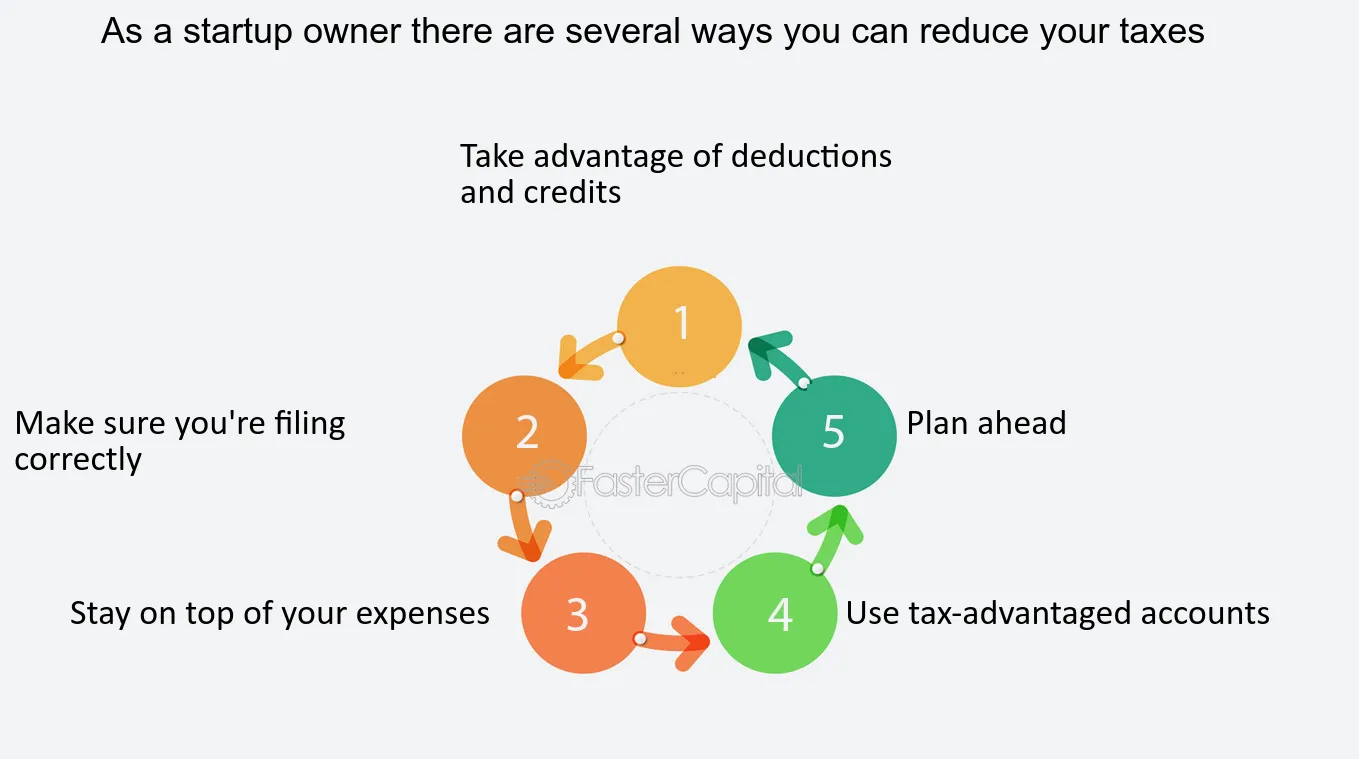
Understanding how to handle taxes as a co-founder is pivotal not just for compliance but also for the financial health of your startup. Focus on proper entity choice, comprehensive record-keeping, timely filing, and leveraging deductions. Don’t shy away from utilizing professional guidance to navigate this complex world. By making informed decisions today, you can help ensure that your startup thrives in the long run.
Whether you’re gearing up for your new venture or are knee-deep in the startup ecosystem, remember that good financial hygiene will pave the way for success. Plan ahead, stay informed, and most importantly, enjoy the entrepreneurial journey!


