Enhance Your Pc’s Performance: Tips And Tricks
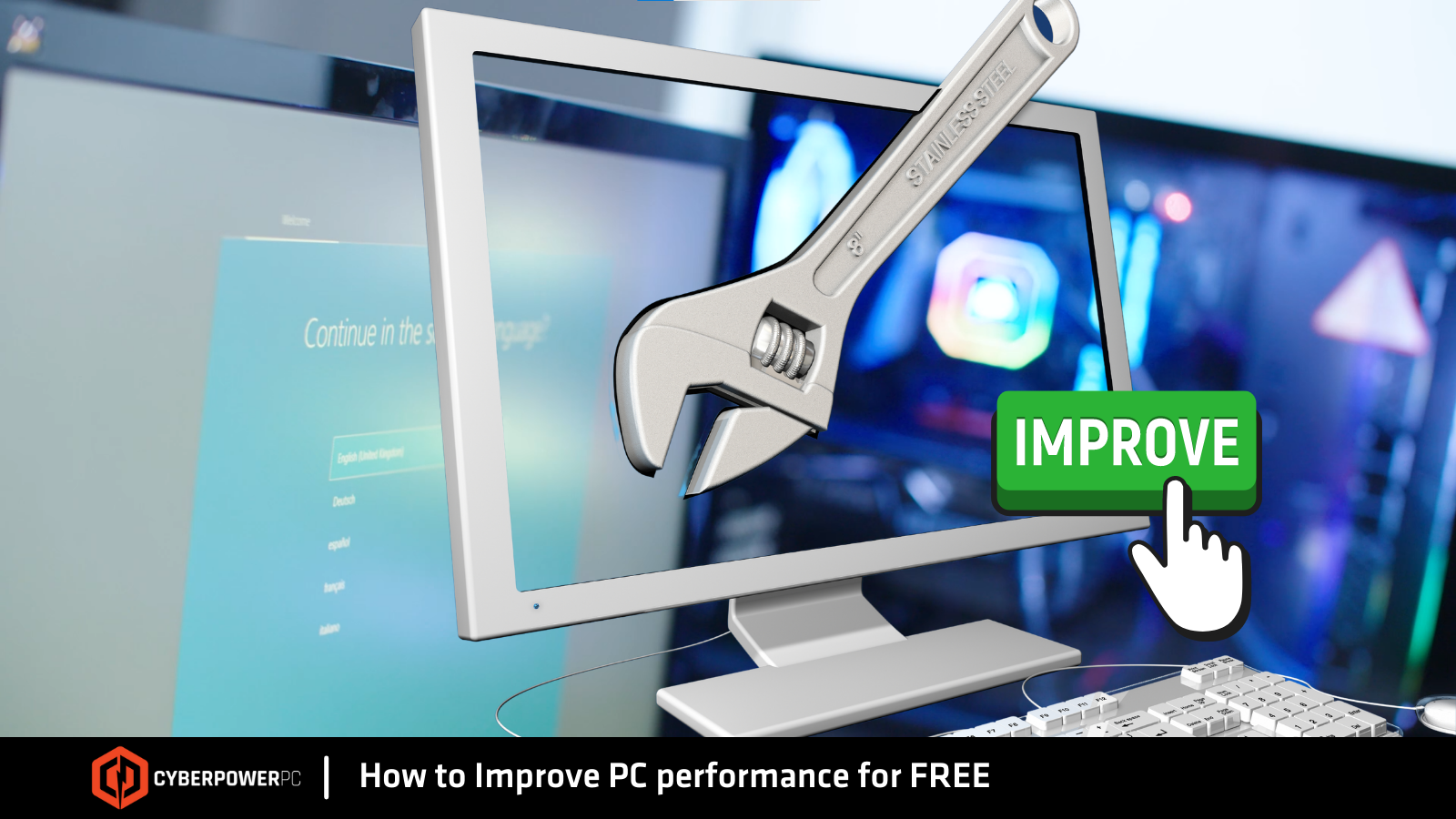
Are you tired of your computer slowing down with time? Do you want to make it run faster and more efficiently? Look no further! In this article, we will provide you with some valuable tips and tricks to enhance your PC’s performance.
The Problem of Slow Pcs
We’ve all been there – our computer starts to slow down over time. The system becomes sluggish, programs take longer to open, and searching for files becomes a chore. It’s frustrating and can be a significant productivity killer. But don’t worry, we have some solutions for you!
Tip 1: Disable Automatic Start of Programs
One of the simplest ways to improve your PC’s performance is to disable automatic start of programs that you don’t use regularly. This will help reduce clutter on your system and prevent unnecessary processes from running in the background.
To do this, follow these steps:
- Click on the “Start” button and type “Task Manager” in the search bar.
- Select the “Startup” tab and look for any programs that you don’t use regularly.
- Right-click on the program and select “Disable”.
Tip 2: Disable Animations And Effects
Disabling animations and effects can also help improve your PC’s performance. This is especially true for older machines.
To do this, follow these steps:
- Click on the “Start” button and type “System Properties” in the search bar.
- Select the “Advanced” tab and click on the “Settings” button under the “Performance” section.
- Uncheck the box next to “Animate controls and windows”.
Tip 3: Regulate File Caching
Regulating file caching can also help improve your PC’s performance. This is because cached files are stored in memory, which can slow down your system if they become too large.
To do this, follow these steps:
- Click on the “Start” button and type “File Explorer Options” in the search bar.
- Select the “View” tab and click on the “Options” button.
- Uncheck the box next to “Always show icons, never show icon text”.
Tip 4: Defragment Your Hard Drive
Defragmenting your hard drive can also help improve your PC’s performance. This is because fragmented files can slow down your system.
To do this, follow these steps:
- Click on the “Start” button and type “Disk Defragmenter” in the search bar.
- Select the drive you want to defragment and click on the “Defragment” button.
Tip 5: Remove Unused Software
Removing unused software can also help improve your PC’s performance. This is because unnecessary programs can take up space on your hard drive and slow down your system.
To do this, follow these steps:
- Click on the “Start” button and type “Control Panel” in the search bar.
- Select the “Programs and Features” tab and look for any software that you don’t use regularly.
- Right-click on the program and select “Uninstall”.
Tip 6: Optimize Your Hard Drive
Optimizing your hard drive can also help improve your PC’s performance. This is because a slow hard drive can slow down your system.
To do this, follow these steps:
- Click on the “Start” button and type “Disk Cleanup” in the search bar.
- Select the drive you want to optimize and click on the “Clean up system files” button.
Tip 7: Remove Temporary Files
Removing temporary files can also help improve your PC’s performance. This is because temporary files can take up space on your hard drive and slow down your system.
To do this, follow these steps:
- Click on the “Start” button and type “Disk Cleanup” in the search bar.
- Select the drive you want to clean up and click on the “Clean up system files” button.
Tip 8: Use a Third-party Antivirus Software
Using a third-party antivirus software can also help protect your PC from malware. This is because many modern antivirus software programs can detect and remove malware quickly and effectively.
To do this, follow these steps:
- Click on the “Start” button and type “Microsoft Defender” in the search bar.
- Select the option to disable Microsoft Defender and install a third-party antivirus software instead.
Tip 9: Update Your Graphics Drivers
Updating your graphics drivers can also help improve your PC’s performance. This is because outdated graphics drivers can slow down your system.
To do this, follow these steps:
- Click on the “Start” button and type “Device Manager” in the search bar.
- Select the device you want to update (usually a graphics card) and click on the “Update driver” button.
Tip 10: Use a Solid-state Drive (SSD)
Using a solid-state drive (SSD) can also help improve your PC’s performance. This is because SSDs are faster than traditional hard drives and can provide improved storage performance.
To do this, follow these steps:
- Click on the “Start” button and type “Device Manager” in the search bar.
- Select the device you want to replace (usually a hard drive) with an SSD and click on the “Update driver” button.
By following these tips and tricks, you can help improve your PC’s performance and make it run faster and more efficiently. Remember to always back up your data before making any changes to your system!
Frequently Asked Questions
- Q: What are some common causes of slow PCs?
A: Some common causes of slow PCs include outdated software, malware infections, and hardware issues. - Q: How can I improve my PC’s performance without buying a new computer?
A: You can improve your PC’s performance by disabling unnecessary programs, updating your graphics drivers, using a solid-state drive (SSD), and removing temporary files. - Q: What are some benefits of using a third-party antivirus software?
A: Some benefits of using a third-party antivirus software include improved detection and removal of malware, faster scanning times, and more comprehensive protection.
Conclusion
In conclusion, there are many ways to improve your PC’s performance. By following the tips and tricks outlined in this article, you can help make your computer run faster and more efficiently. Remember to always back up your data before making any changes to your system!