
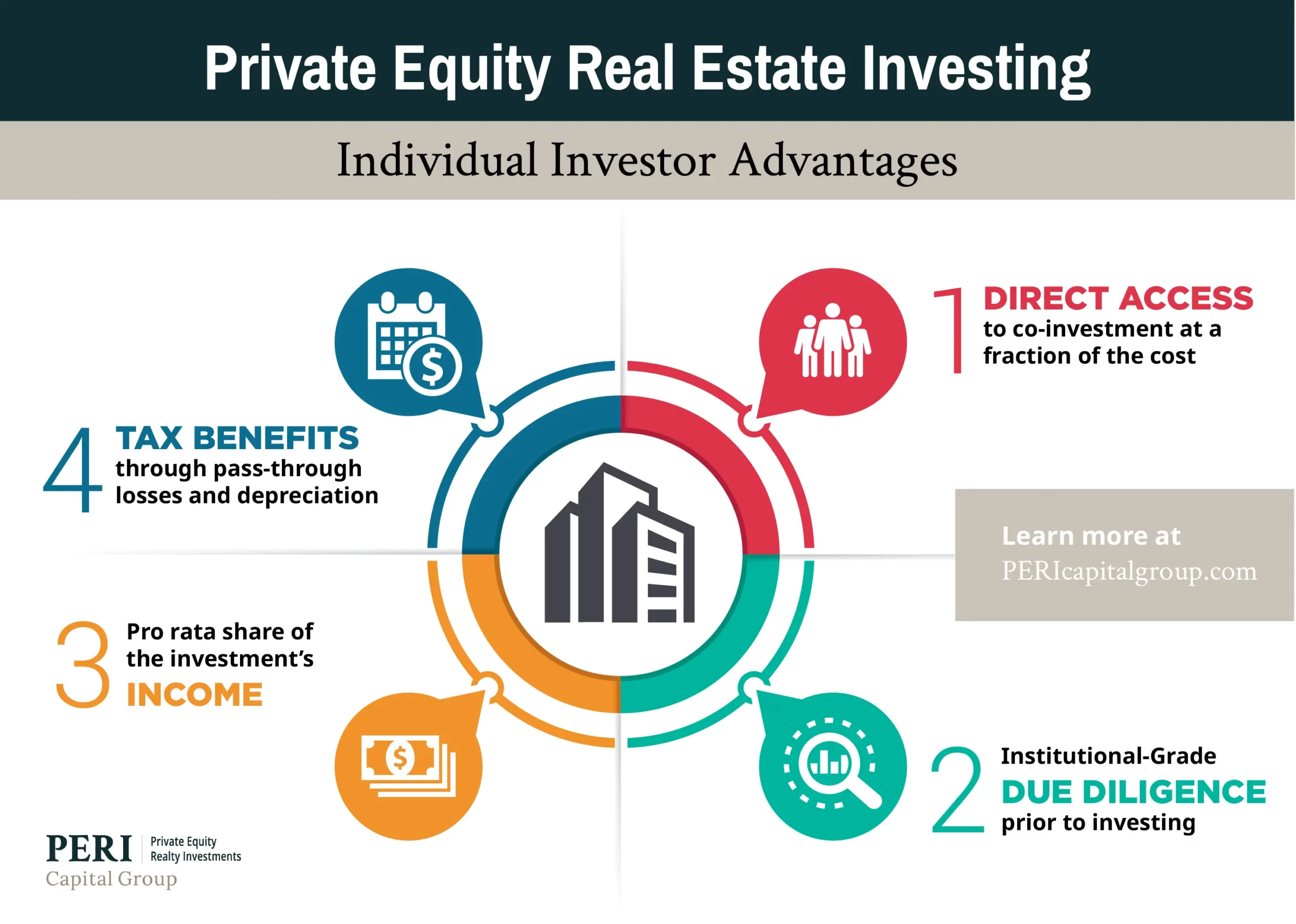
Navigating the world of real estate investment can often feel like a labyrinth of endless choices and complex decisions. If you’re considering jumping into commercial real estate, understanding how to maximize your returns is crucial. This guide will provide you with valuable insights into the world of commercial real estate investment, shedding light on strategies, tips, and tricks to optimize your investment portfolio.
Understanding Commercial Real Estate
Before diving into investment strategies, let’s clarify what commercial real estate (CRE) entails. Unlike residential real estate, which includes homes and apartments, commercial real estate refers to properties intended for business activities. This can range from office buildings, retail outlets, warehouses, to multi-family apartment complexes. Commercial properties are often categorized into several types:
- Office Buildings: These can vary from single-tenant properties to large skyscrapers.
- Retail Spaces: This includes shopping malls, standalone stores, and restaurants.
- Industrial Properties: Warehouses, distribution centers, and manufacturing facilities.
- Multifamily Units: Apartment complexes that can cater to various demographics.
- Mixed-Use Developments: Properties that incorporate different usages—retail, office, and residential—all in one.
Understanding the nuances of each type of CRE is essential, as the market dynamics and return potential can differ significantly from one property type to another.
The Appeal of Commercial Real Estate
Investing in commercial real estate offers a plethora of advantages that make it an attractive option for many investors:
-
Higher Returns: Historically, CRE has demonstrated the potential for higher returns than residential properties, often yielding returns of 6% to 12% annually.
-
Longer Leases: Commercial tenants typically sign longer leases, often ranging from 3 to 10 years, providing stable cash flow and minimizing vacancies.
-
Potential for Appreciation: Over time, commercial properties can appreciate significantly, especially in growing urban areas.
-
Tax Benefits: Investors can often take advantage of various tax deductions and benefits associated with depreciation, mortgage interest, and operational expenses.
Despite these advantages, successful investment in commercial real estate requires a thorough understanding of the market, careful planning, and strategic execution. Here are essential steps to kickstart your commercial real estate investment journey.
Step 1: Do Your Homework
Research is the cornerstone of any successful investment strategy. Understanding the local market conditions, including economic indicators, vacancy rates, and neighborhood demographics, will help guide your decisions.
1. Market Research
Start by analyzing the commercial real estate market in your area. Look at trends over the past few years, the impact of economic cycles, and the performance of different sectors. Consider key factors, such as:
- Job Growth: A growing job market typically attracts more tenants.
- Population Growth: Areas with increasing populations often see higher demand for commercial space.
- Local Economy: Evaluate the stability and growth potential of the economy in your target area.
2. Property Type Analysis
Consider which type of commercial property aligns with your investment goals. For example, if you’re looking for stable income, multifamily or retail spaces in high-traffic areas may be appealing. On the other hand, if you’re more inclined towards a higher risk and reward, you might explore industrial properties or office spaces in transitioning neighborhoods.
Step 2: Assess Your Finances
Understanding your financial capacity is crucial before you invest in commercial real estate. This means:
1. Setting a Budget
Determine how much you can realistically invest. This includes not only the purchase price but also related costs like closing fees, renovation expenses, and ongoing operational costs.
2. Financing Options
Commercial real estate often requires substantial capital, and most investors do not purchase properties outright. Familiarize yourself with various financing methods:
- Traditional Bank Loans: These loans generally have lower interest rates and longer terms but may require significant documentation.
- SBA Loans: The Small Business Administration offers loans specifically for small business owners purchasing real estate.
- Private Investors: If you have connections in the investment community, finding private investors may provide the capital you need without a traditional banking route.
- Real Estate Investment Trusts (REITs): If direct ownership isn’t feasible, consider investing in REITs that own and operate income-producing real estate.

- Overcome negative thought patterns, reduce stress, and live a worry-free life
- Overthinking is the biggest cause of unhappiness
- Don't get stuck in a never-ending thought loop
- Stay present and keep your mind off things that don't matter, and never will
- Break free of your self-imposed mental prison
Step 3: Find the Right Property
Once you’ve done your market research and secured financing, it’s time to find the right property. This process involves:
1. Utilizing a Real Estate Agent
Working with a specialized commercial real estate agent can provide invaluable insights into the market and streamline your property search. They often have access to listings not available to the general public and can help with negotiations and contracts.
2. Performing Due Diligence
Before finalizing a purchase, conduct thorough due diligence. This involves examining financial statements, lease agreements, and property condition. Additionally, consider:
- Location: A prime location can significantly affect property value and desirability.
- Condition and Upgrades: Assessing the property’s current condition and potential for necessary upgrades is vital—it can affect both your short-term and long-term ROI.
Step 4: Optimize Rent and Increase Value
Once you’ve acquired a commercial property, your focus shifts towards maximizing returns through effective property management.
1. Review Rental Agreements
If your property has existing tenants, review the rental agreements to ensure they are favorable and aligned with market rates. Consider whether current rent is below market value and if there is room for adjustments upon lease renewals.
2. Improve the Property
Investing in property upgrades can yield significant returns. Focus on enhancements that attract quality tenants and boost property value—like modernizing restrooms, improving landscaping, or upgrading HVAC systems.
3. Minimize Operating Expenses
Keeping operational costs in check ensures that you maximize your profit. Consider implementing energy-efficient systems or renegotiating service contracts. Regular maintenance can prevent costly repairs and keep tenants satisfied.
Step 5: Monitor Market Trends
To stay ahead in the commercial real estate market, continual monitoring and adaptation are necessary:
1. Track Market Changes
Economic and demographic trends can shift quickly. Staying informed about changes can help you make informed decisions about your investment—whether that involves selling, holding, or upgrading your property.
2. Networking
Building relationships with other real estate professionals can provide you with insights and leads on potential investment opportunities. Attend real estate seminars, join investment groups, or participate in local business events to stay engaged.
Step 6: Know When to Exit
An essential aspect of investing is knowing when to exit a property. While long-term ownership can be profitable, there are instances when selling can maximize your investment:
1. Recognizing Market Peaks
Monitor market conditions to assess the right time to sell. Selling during high demand can yield lucrative returns.
2. Substantial Property Appreciation
If the value of your property significantly increases due to market trends or property improvements, consider capitalizing on that appreciation.
3. Overall Strategy Reevaluation
As your investment goals evolve, your strategies should too. If a property no longer aligns with your investment strategy or offers diminishing returns, it may be time to consider selling.
Conclusion: The Long Game
Investing in commercial real estate can be a rewarding venture, but it requires diligence, research, and strategic planning. By understanding the market, assessing financial readiness, finding suitable properties, and keeping business practices optimized, you stand a good chance of achieving maximum returns.
In an ever-evolving landscape, adaptability and continuous learning are crucial. Remain engaged with current trends and adjustments within the commercial real estate sector, and never hesitate to seek expert advice. Start your journey into commercial real estate today, and watch your investments flourish as you navigate this dynamic marketplace. Happy investing!


