
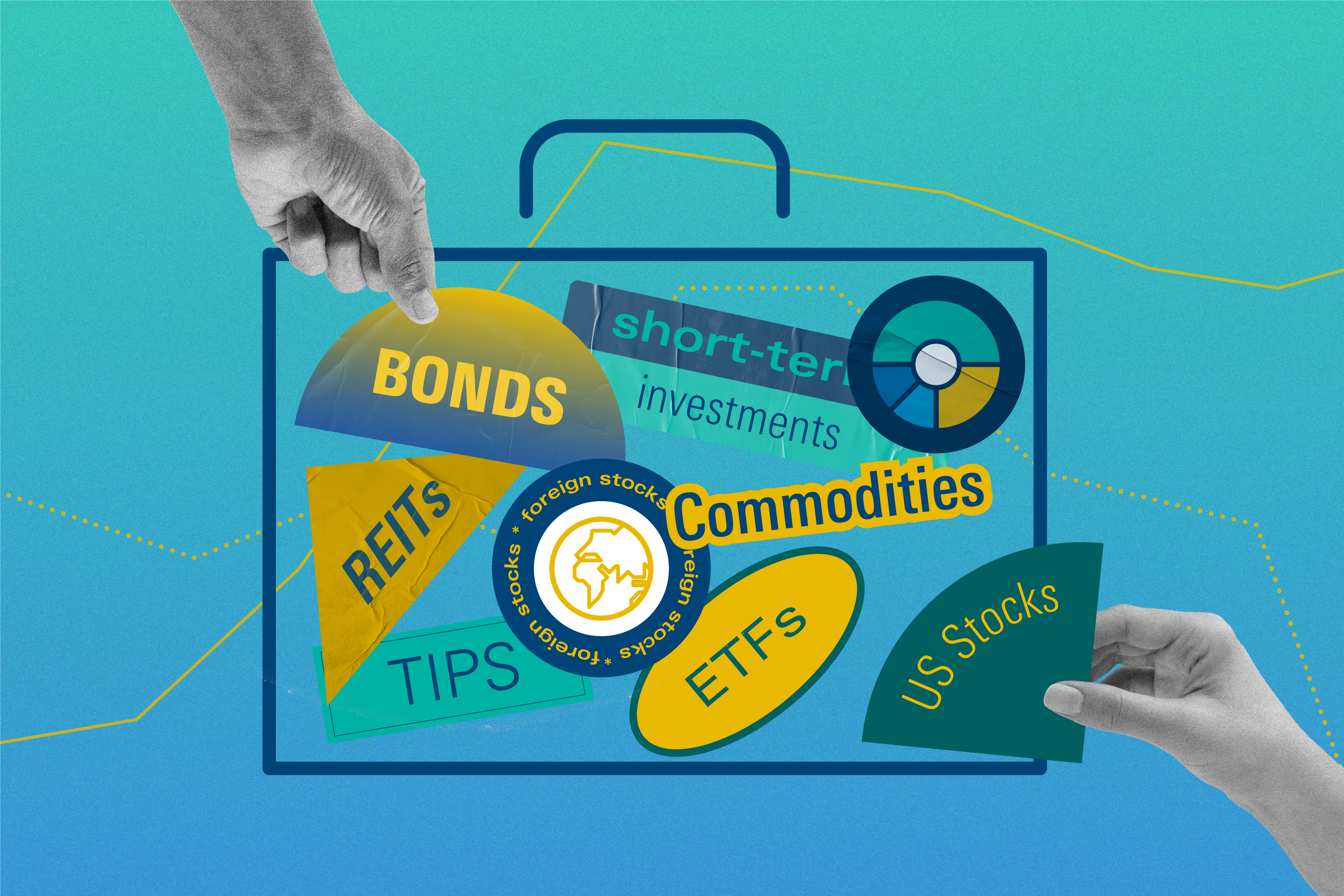
In a world where financial markets can be unpredictable, the quest for effective portfolio diversification is more relevant than ever. One strategy that seasoned investors swear by is investing in commodities. Whether you’re a seasoned trader or just beginning your investment journey, understanding how to incorporate commodities into your portfolio can fortify your financial standing and insulate you against market volatility.
In this article, we will delve into the world of commodities—what they are, the advantages of investing in them, and a step-by-step guide on how to effectively diversify your portfolio through commodity investments.
What Are Commodities?
Commodities are basic goods used in commerce that can be interchangeable with other goods of the same type. They are typically categorized into two main types: hard and soft commodities.
- Hard Commodities: These are natural resources that must be mined or extracted, including oil, gold, and silver.
- Soft Commodities: These refer to agricultural products or livestock, such as wheat, corn, and coffee.
Investing in commodities is not merely about speculating on prices but also includes hedging against inflation and economic downturns, providing a hedge during turbulent financial periods.
Why Diversify Your Portfolio with Commodities?
1. Hedge Against Inflation
Inflation erodes the purchasing power of cash and fixed-income assets. Commodities often serve as a strong hedge against inflation because their prices tend to rise when inflation increases. For instance, if you invest in gold or energy commodities like oil, their value is likely to increase in times of rising prices.
2. Non-Correlation with Financial Markets
Investing in commodities can add a layer of non-correlation to your portfolio. Unlike equities and bonds, commodities often exhibit different price behavior, primarily based on supply and demand dynamics. This non-correlation can cushion your portfolio when financial markets are under stress.
3. Enhanced Returns
Historical data shows that commodities can offer higher returns compared to traditional investments like stocks and bonds during specific market cycles. The global demand for commodities—especially in emerging markets—can drive prices up significantly, providing vast opportunities for investors.
4. Portfolio Risk Management
Adding commodities to your investment strategy can minimize overall portfolio risk. By diversifying across asset classes, the overall risk profile of your portfolio is reduced. For instance, if your stock investments decline, the value of your commodity holdings may rise, balancing your overall returns.
How to Invest in Commodities: A Step-by-Step Guide
Step 1: Educate Yourself about the Commodity Market
To become a successful commodities investor, it’s essential to understand the market forces that affect commodity prices. Key factors include:
- Supply and Demand: Price fluctuations are primarily driven by changes in supply and demand. Keep an eye on global weather patterns, natural disasters, geopolitical tensions, and other factors that can affect production.
- Economic Indicators: Economic growth in major economies like the U.S. and China can impact commodity prices. An understanding of macroeconomic indicators like GDP, unemployment rates, and consumer spending will help you make informed decisions.
Step 2: Choose Your Investment Vehicle
Investors have several options when it comes to entering the commodities market. Here are the main methods:
A. Commodity Futures
Futures contracts are agreements to buy or sell a specific commodity at a predetermined price on a specified date in the future. They are traded on exchanges like the Chicago Mercantile Exchange (CME). Futures can offer high returns but also come with high risk, so they may not be suitable for all investors.

- Overcome negative thought patterns, reduce stress, and live a worry-free life
- Overthinking is the biggest cause of unhappiness
- Don't get stuck in a never-ending thought loop
- Stay present and keep your mind off things that don't matter, and never will
- Break free of your self-imposed mental prison
B. ETFs and Mutual Funds
Exchange-Traded Funds (ETFs) and mutual funds offer a more accessible way to invest in commodities without the complexities of futures contracts. These funds typically invest in a basket of commodities or commodity-related companies, allowing you to gain exposure to a broad range of assets. Popular options include the SPDR Gold Shares (GLD) and the Invesco DB Commodity Index Tracking Fund (DBC).
C. Physical Commodities
Investing in physical commodities, such as gold or silver, can also be beneficial. This approach involves buying and holding the physical asset, which provides a tangible investment but can come with storage and insurance costs.
D. Stocks in Commodity-Related Companies
Another way to gain exposure to the commodity markets is by investing in stocks of companies involved in the production or distribution of commodities. This could include mining companies or energy firms. While the stock market can be volatile, these companies often correlate with commodity price movements, providing an indirect investment route.
Step 3: Assess Your Risk Tolerance
Before making an investment, it’s crucial to assess your risk tolerance. Commodities can experience significant price swings and may not be the best fit for conservative investors. Consider how much risk you are willing to take on based on your financial situation, investment goals, and time horizon.
Step 4: Develop a Strategic Allocation
Deciding how much of your portfolio to allocate to commodities depends on various factors, including your risk tolerance and market outlook. A common guideline suggests that 5-15% of your portfolio should be allocated to commodities, providing a solid balance without overexposing you to market volatility.
Consider diversifying within commodities as well. For instance, investing in a mix of precious metals, energy resources, and agricultural products can help spread risk further.
Step 5: Monitor Your Investments
Commodities markets can change rapidly due to a multitude of factors, including weather conditions, geopolitical events, and changes in consumer demand. Regularly monitoring your investments and rebalancing your portfolio when necessary will ensure you maintain your desired level of risk and return.
Step 6: Consider Professional Guidance
If you’re unsure about how to get started or find the commodity markets overwhelming, consider consulting with a financial advisor. Advisors with experience in commodities can help you craft an investment strategy tailored to your goals.
Conclusion: Is Investing in Commodities Right for You?
Investing in commodities can be an effective strategy for portfolio diversification, offering various benefits, including hedging against inflation, non-correlation with traditional asset classes, increased potential for returns, and overall portfolio risk management.
However, it’s not without risks. Understanding the commodity market is essential before making any investments. By educating yourself, choosing the right investment vehicle, assessing your risk tolerance, and developing a strategic allocation, you can enhance your portfolio’s resilience and potential.
As you embark on your commodities investment journey, always keep an eye on emerging trends, understand the macroeconomic landscape, and remain adaptable. With diligence and preparation, commodities can become a pivotal part of your investment strategy, providing both growth and protection against market fluctuations.
Take the Next Step in Your Investment Journey
If you’re ready to explore commodities further, start researching market trends today. Dive into reputable financial news sources, consider taking an online course on commodities trading, or even attend investment seminars. The world of commodities is rich with opportunities, waiting for investors like you. Happy investing!


