
Investing in startups can be both an exciting and daunting venture. With the rise of equity crowdfunding, opportunities to invest in early-stage companies have exploded. But how does one navigate this complex landscape? If you’ve ever wondered how to invest in startups with equity crowdfunding, you’re in the right place! In this guide, we’ll break down the ins and outs of equity crowdfunding, the platforms available, risks to consider, and key strategies for success. Let’s dive in!
What is Equity Crowdfunding?
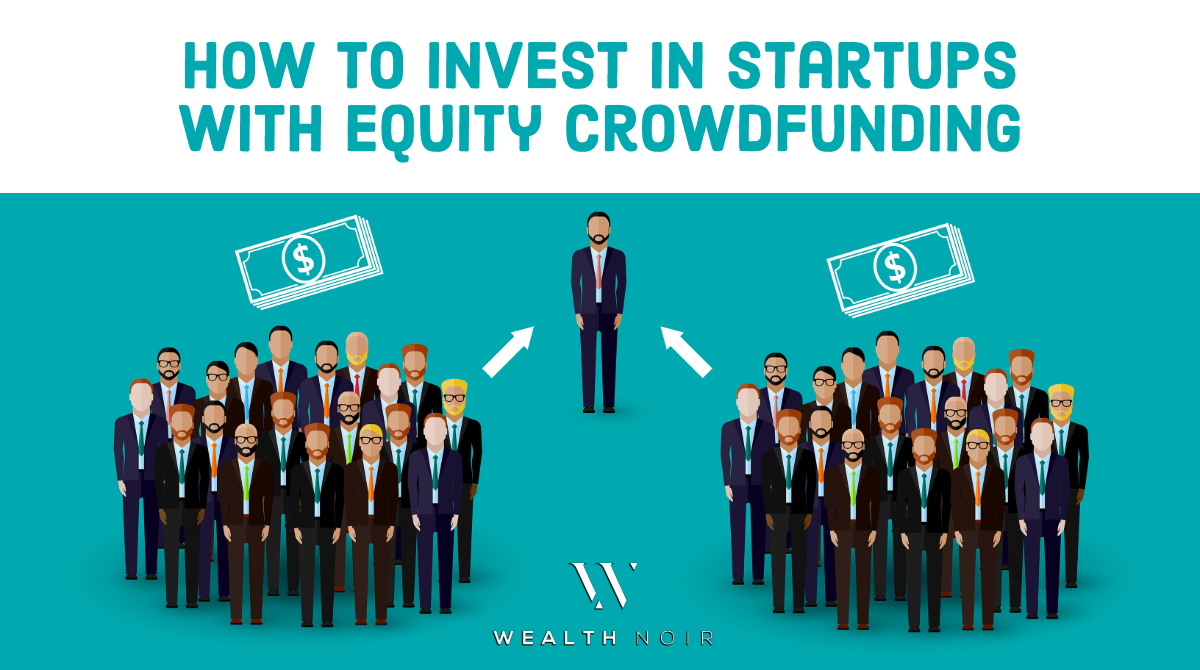
Equity crowdfunding is a method of raising capital for a startup by pooling investments from a large number of individuals. Unlike traditional crowdfunding campaigns that offer rewards like products or services, equity crowdfunding allows investors to own a piece of the company in exchange for their financial backing. This model democratizes investment opportunities, enabling everyday investors to back startups that were previously only accessible to wealthy individuals and venture capitalists.
How Does Equity Crowdfunding Work?
In the world of equity crowdfunding, the process typically follows these steps:
-
Startup Preparation: A startup prepares a business pitch and financial disclosures to attract potential investors. This includes outlining the business model, growth potential, and funding goals.
-
Crowdfunding Platform: The startup selects a crowdfunding platform to host its campaign. Popular platforms include SeedInvest, Republic, and Wefunder, among others.
-
Investment Offering: The startup creates an investment offering, detailing how much capital it seeks and what type of equity it is offering in return. This information is crucial for investors to make informed decisions.
-
Investor Participation: Individuals can browse various investment opportunities on the platform, review offerings, and decide to invest, often with minimum amounts as low as $100.
-
Fundraising Period: The startup’s campaign runs for a specific period, during which it tries to raise the desired capital. If successful, the funds are raised, and equity shares are distributed to investors.
-
Post-Funding: Once the startup uses the capital to grow its business, investors can benefit from future profits, dividends, or a potential exit if the company sells or goes public.
Benefits of Equity Crowdfunding
Equity crowdfunding presents multiple benefits to investors and startups alike:
1. Access to Unique Investment Opportunities
Unlike traditional venture capital routes often reserved for accredited investors, equity crowdfunding opens the door for non-accredited investors to participate in funding innovative startups. This offers a wide range of investment choices across various sectors, including tech, healthcare, e-commerce, and more.
2. Portfolio Diversification
Investing in a startup can be a way to diversify your investment portfolio. Startups often operate in emerging industries and sectors, providing investors with exposure to high-growth potential businesses that can bolster overall returns.
3. Potential for High Returns
While investing in startups is inherently risky, those that succeed can offer returns significantly higher than traditional investments. If a startup scales quickly or is acquired by a larger company, early investors can see considerable financial gains.
4. Supporting Innovation
By investing in startups, you directly contribute to innovation and entrepreneurship. This can be particularly fulfilling for individuals passionate about supporting small businesses and helping bring new ideas to market.
How to Get Started with Equity Crowdfunding
If you’re ready to take the plunge into equity crowdfunding, here’s how to get started:
1. Educate Yourself
Before investing, it’s crucial to understand the fundamentals of startup investing and equity crowdfunding. Read books, articles, and blogs related to the topic. Familiarize yourself with basic investment terms and frameworks.
2. Choose a Crowdfunding Platform
Select a reliable equity crowdfunding platform to explore investment opportunities. Each platform has its own set of criteria, fees, and available startups. Here’s a brief overview of some popular platforms:
-
SeedInvest: Focuses on pre-vetted startups, requiring companies to undergo a rigorous screening process. Investors can access high-quality investment opportunities.
-
Wefunder: Open to both accredited and non-accredited investors, Wefunder showcases a diverse range of startups, from tech to restaurant ventures.
-
Republic: Known for its extensive community outreach, Republic encourages social responsibility and impact investing alongside financial returns.

- Overcome negative thought patterns, reduce stress, and live a worry-free life
- Overthinking is the biggest cause of unhappiness
- Don't get stuck in a never-ending thought loop
- Stay present and keep your mind off things that don't matter, and never will
- Break free of your self-imposed mental prison
3. Analyze Investment Opportunities
Once you’ve selected a platform, begin browsing investment opportunities. Carefully review each startup’s pitch deck, financials, and growth metrics. Look for a strong business model, experienced management, and unique products or services.
4. Check Regulation and Compliance
Ensure that the startup complies with the U.S. Securities and Exchange Commission (SEC) regulations regarding equity crowdfunding. It’s essential to confirm that the investment opportunity is legitimate and adheres to legal standards.
5. Invest Within Your Means
Never invest more than you can afford to lose. Start small and gradually increase your investment as you gain confidence in this type of investing. Remember, many startups fail, so practice caution.
6. Monitor Your Investments
After investing, keep an eye on your portfolio. Many crowdfunding platforms provide updates on the startups you’ve invested in, including milestones, financial performance, and future funding rounds. Staying informed can help you make decisions regarding follow-up investments or exits.
The Risks Involved
While equity crowdfunding offers exciting opportunities, it’s essential to be aware of the risks involved:
1. High Risk of Failure
Statistics show that a significant percentage of startups fail within their first few years. Investing in startups carries a high intrinsic risk; therefore, it’s critical to perform thorough due diligence before committing your funds.
2. Illiquidity of Investments
Equity in startups isn’t as liquid as stocks on traditional exchanges. Investors may find it challenging to sell their shares until there’s a liquidity event—such as an acquisition or public offering—which can take years.
3. Limited Information
Although platforms provide a range of information about startups, the data may not be exhaustive. Some companies may not disclose all risks or potential operational challenges, making it important for investors to approach each investment cautiously.
4. Potential Hidden Fees
Different crowdfunding platforms may charge various fees, including offering fees, transaction fees, and ongoing management fees. Be sure to read the fine print to understand all potential costs associated with your investment.
Tips for Successful Equity Crowdfunding Investments
To enhance your chances of success in the world of equity crowdfunding, consider these tips:
1. Diversify Your Investments
Spread your investment across multiple startups rather than placing all your funds in one. This diversification can mitigate risks and increase the likelihood of backing a successful venture.
2. Research the Founders
A startup’s founder(s) play a vital role in its success. Research their background, track record, and industry experience. A strong founder with a history of growth can significantly enhance your investment’s chance of success.
3. Look for Scalability
Invest in startups that exhibit strong growth potential. The ability to scale quickly often relies on the business model, market opportunity, and competitive landscape. Prefer companies with a clear path to increase their customer base and revenue.
4. Keep Emotions in Check
Investing should be based on thorough analysis rather than emotions. Stick to your investment strategy and avoid making impulsive decisions based on hype or buzz.
5. Follow Up
Engage with the startups you invest in by attending updates, webinars, and events. By staying involved, you can gain insights into their progress and be better prepared for future rounds of investment or exit opportunities.
Conclusion
Equity crowdfunding has transformed the landscape of startup investment, providing unprecedented access and opportunities for investors. By understanding how to navigate this new terrain, evaluating startups thoroughly, and adhering to best practices, you can make informed investment choices that cater to your financial goals.
As with any investment, it’s essential to proceed with caution, conduct thorough research, and only invest what you can afford to lose. By staying informed and actively engaging in your investments, you’ll be well on your way to becoming a savvy equity crowdfunding investor. Happy investing!


