
When it comes to building a sustainable source of passive income, investing can often take center stage. Among the vast array of investment options, Real Estate Investment Trusts (REITs) stand out as accessible avenues that can bring financial growth without the headaches that often accompany traditional real estate investments. Whether you’re a seasoned traveler or planning your next adventure, understanding how to leverage REITs can empower you to earn while you roam. Here’s how.
What Are REITs?
REITs, or Real Estate Investment Trusts, are companies that own, operate, or finance real estate that produces income. Most often, these entities invest in various types of real estate—such as residential buildings, office spaces, retail establishments, and hotels. By investing in a REIT, you essentially buy shares of a company that is invested in real estate and, in return, receive a portion of the income generated by these properties.
REITs are attractive for several reasons, including liquidity (most are publicly traded), diversification (they often hold portfolios of various properties), and the ability to earn dividend income. This makes them a viable option for those looking to create a revenue stream to fund a lifestyle rich in travel experiences.
Understanding Passive Income
Before diving deeper into REITs, it’s important to understand the concept of passive income. Passive income is money earned with minimal effort; it’s income you can generate regardless of your present activity. This can include rental income, dividends from stocks, or interest from savings accounts.
For the avid traveler or digital nomad, passive income is particularly appealing. It provides financial freedom to explore new destinations, cultures, and adventures without being tied to a 9-to-5 job. REITs fit perfectly into this blueprint as they can generate steady income without requiring active management from your side.
The Benefits of Investing in REITs
-
Accessibility and Liquidity: One of the greatest advantages of REITs is the ability to invest relatively small amounts of money—making them accessible for many people. Furthermore, many REITs are publicly traded on stock exchanges, allowing you to buy or sell your shares with ease, similar to stocks.
-
Diversification: Investing in a single property can be risky. With a REIT, your investment is spread across various properties, which lowers risk and provides a buffer against fluctuating real estate markets.
-
Stable Income: By law, REITs are required to distribute at least 90% of their taxable income to shareholders as dividends. This typically results in higher dividend yields compared to many other investments, creating a potential steady income stream suitable for funding your travels.
-
Professional Management: REITs are managed by professionals who have expertise in the real estate market, alleviating the headache of property management. You don’t have to worry about tenants, maintenance, or property inspections.
How to Get Started with REITs
If you’re ready to explore the world of REITs and leverage them for passive income, follow these steps to kick-start your journey.
1. Educate Yourself
Before investing any money, take significant time to educate yourself about how REITs work. Read books, visit reputable finance websites, and listen to podcasts focused on real estate and REIT investing. A solid foundation will empower you to make informed decisions.
2. Set Your Investment Goals
Consider what role REITs will play in your overall investment strategy. Are you looking to generate passive income for travel, saving for retirement, or perhaps funding a new business venture? Setting clear goals will help determine the types of REITs that might be a good fit for you.
3. Research Different Types of REITs
-
Equity REITs: These own and manage income-generating real estate and typically provide higher dividends due to their focus on residential and commercial properties.
-
Mortgage REITs (mREITs): Rather than owning properties, these lend money to real estate owners or invest in mortgage-backed securities. They tend to offer higher yields but come with increased risk.
-
Hybrid REITs: These combine both equity and mortgage REIT strategies.
-
Sector-Specific REITs: Focus on certain niches like healthcare, data centers, or self-storage, which may offer unique growth potential.

- Overcome negative thought patterns, reduce stress, and live a worry-free life
- Overthinking is the biggest cause of unhappiness
- Don't get stuck in a never-ending thought loop
- Stay present and keep your mind off things that don't matter, and never will
- Break free of your self-imposed mental prison
4. Choose Your Investment Method
You can invest in REITs through:
-
Individual REITs: Pick and choose individual companies to invest in based on your own research. This requires more work and understanding.
-
REIT Mutual Funds or ETFs: These funds pool money from multiple investors to invest in a diversified portfolio of REITs. They are a great way to spread risk and simplify the investment process.
5. Open a Brokerage Account
To get started with investing in REITs, you’ll need a brokerage account. Research and choose a platform that aligns with your investment approach, whether that’s a full-service broker for personalized advice or an online discount broker for a hands-on approach.
6. Monitor Your Investments
After investing in REITs, regularly review your portfolio to understand how your investments perform. Keep an eye on market trends, news, and any significant changes in individual REITs.
Drawbacks of Investing in REITs
As with any investment, REITs come with their own set of disadvantages, such as:
-
Market Fluctuations: Publicly traded REITs are still subject to market volatility, which can affect their stock prices despite stable income generation.
-
Payout Dependent: Although REITs are mandated to pay out 90% of their taxable income, this does not guarantee dividends, especially during market downturns.
-
Limited Control: Investors in REITs have no say in the management of the properties or the overall strategy of the REIT.
-
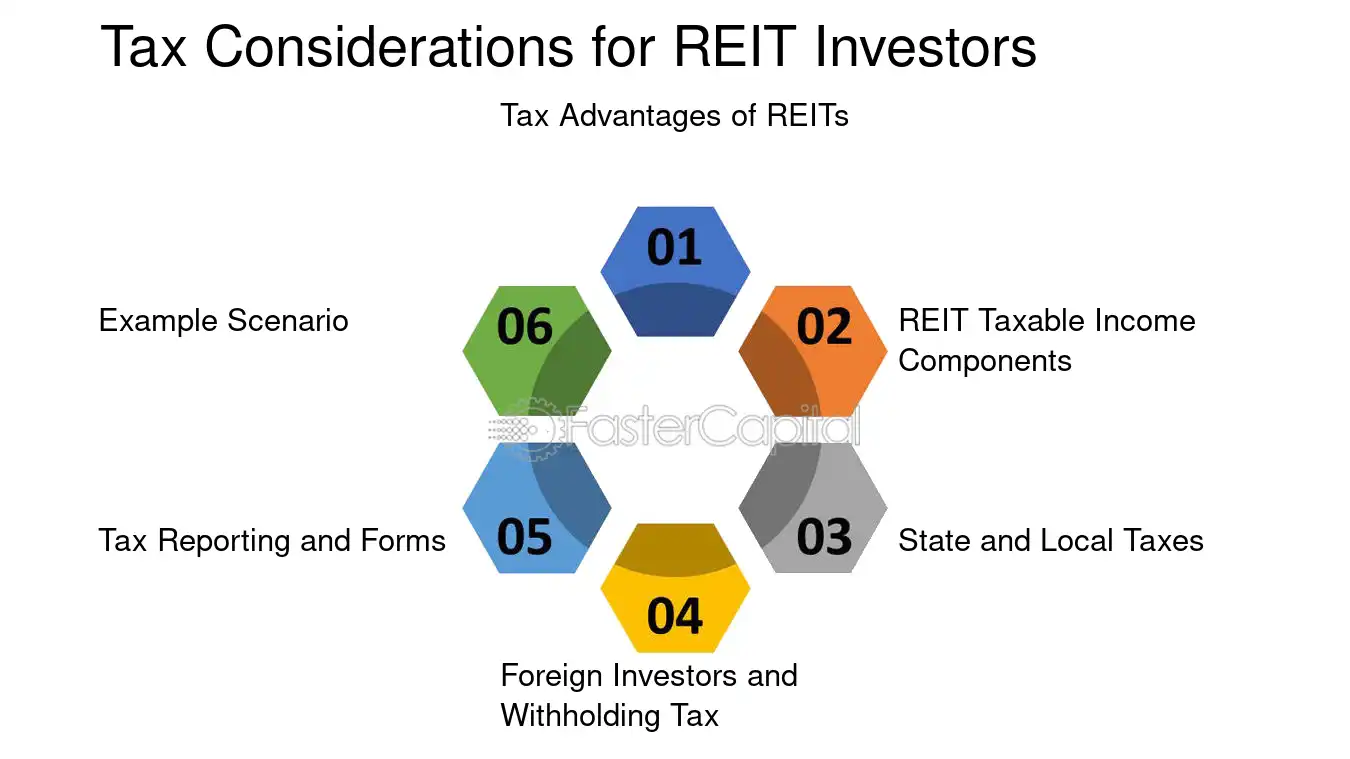
Tax Considerations: Dividends from REITs can be taxed at higher rates compared to qualified dividends from other stocks.
Practical Tips for Leveraging REITs for Passive Income
-
Diversify Your Portfolio: Just like with any investment strategy, don’t put all your eggs in one basket. Diversifying across various REIT categories can help mitigate risks.
-
Reinvest Dividends: If your goal is to grow your income over time, consider reinvesting dividends into more REIT shares. This strategy can help compound your returns and enhance your income stream.
-
Stay Updated: The real estate market and economic conditions can significantly impact your investments. Make it a habit to stay updated on market trends and economic indicators that can affect your REITs.
-
Plan for the Long-Term: REITs can be volatile in the short term. Have patience and keep your long-term financial goals in mind while investing.
-
Consider Professional Advice: If you feel overwhelmed, do not hesitate to reach out to a financial advisor. They can provide personalized guidance based on your financial situation, investment goals, and risk tolerance.
Conclusion
Traveling the world is a dream for many, but it often requires a solid financial plan to sustain such a lifestyle. Leveraging Real Estate Investment Trusts (REITs) for passive income could be your ticket to achieving that freedom. With their potential for steady dividends, accessibility, and managed risk, REITs allow you to earn while you explore.
By understanding how they work and diligently researching your options, you can build a passive income stream that complements your travel aspirations. Investing in REITs not only allows you to enjoy life’s adventures but also helps ensure you’re financially prepared for the unexpected twists and turns that travel may bring. So pack your bags, invest wisely, and let the world become your playground!


