
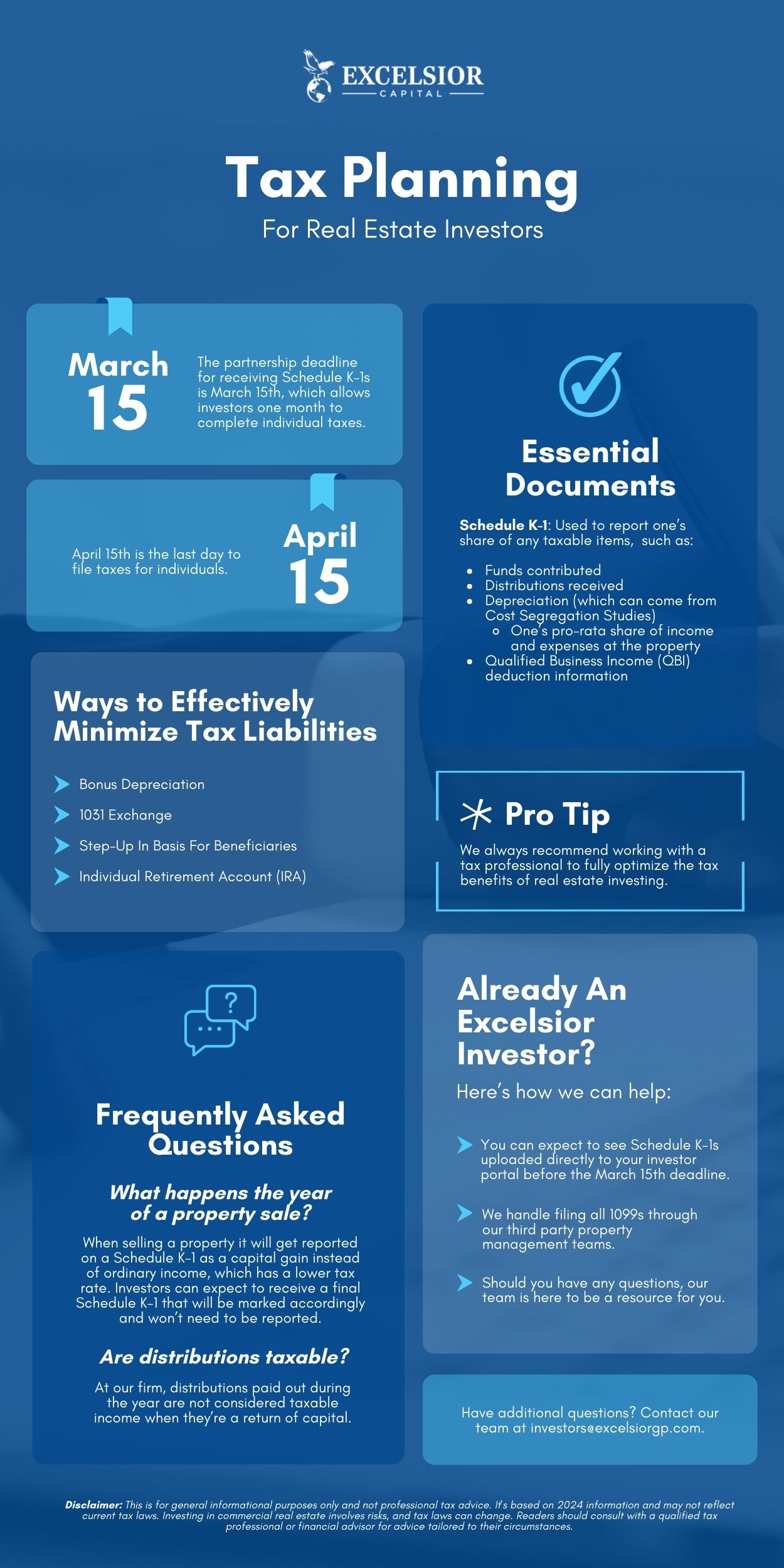
Investing in real estate can be a lucrative venture, offering numerous opportunities for profit. However, just as important as finding good properties and managing them effectively is understanding how to navigate the tax landscape. For real estate investors looking to maximize their tax deductions, knowing the ins and outs of tax implications can significantly impact their bottom line. This article will provide a detailed guide on how to maximize tax deductions for real estate investors, helping you keep more of your hard-earned money.
Understanding the Basics of Tax Deductions
Before diving into specific deductions, it’s essential to understand what tax deductions are. A tax deduction reduces your taxable income, which in turn lowers the amount of tax you owe. For real estate investors, various expenses associated with managing and maintaining rental properties can qualify as tax deductions.
Categories of Tax Deductions
Here, we’ll explore some general categories of tax deductions pertinent to real estate investors.
-
Operating Expenses: These include the day-to-day costs of running a rental property. Common operating expenses include property management fees, utilities, insurance, and advertising costs.
-
Repairs and Maintenance: Any cost associated with maintaining or repairing your property is typically tax-deductible. This can encompass anything from plumbing issues to new carpets.
-
Depreciation: Perhaps one of the biggest tax benefits for real estate investors is depreciation. This allows you to deduct the cost of your property over its useful life, a hefty deduction that many overlook.
-
Mortgage Interest: Interest paid on loans taken to purchase or improve your rental properties can be deducted. This is often one of the largest deductions a real estate investor can take.
-
Travel Expenses: If you need to travel to your rental properties (whether for inspections or meeting tenants), these travel expenses can be deductible.
-
Home Office Deduction: If you manage your rental properties from a home office, you may qualify for a home office deduction.
Maximizing Your Deductions: Tips and Tricks
Now that we have the basics down, let’s explore some proactive strategies you can employ to maximize your tax deductions as a real estate investor.
1. Keep Detailed Records
The cornerstone of maximizing any tax deduction starts with impeccable record-keeping. Make it a habit to keep track of all receipts, invoices, and bank statements related to your rental properties. This includes documentation for:
-
Repairs and renovations: Whenever money is spent on your property, make sure to note what the expense was for and keep a receipt.
-
Utility bills: If you pay for utilities, record these costs clearly to ensure you can deduct them.
-
Professional services: Any fees paid to accountants, tax advisors, or real estate attorneys are also deductible.
2. Employ a Professional Accountant
Navigating tax laws can be complex. As a real estate investor, hiring a certified accountant who specializes in real estate can provide invaluable insights. They can help ensure you take advantage of all applicable deductions while also remaining compliant with IRS regulations. Tax professionals are often familiar with recent changes in tax laws and can spot potential savings you might miss.
3. Understand Depreciation
As mentioned earlier, property depreciation can significantly impact your taxable income. The IRS allows you to depreciate the value of your property, excluding the land, over 27.5 years for residential properties and 39 years for commercial properties. It’s essential to understand how to calculate this properly.
- Cost Segregation: This is a strategy that allows you to increase depreciation expenses. By categorizing specific components of a property (like appliances, landscaping, and furniture) into shorter life spans (typically 5, 7, or 15 years), you can maximize the deductible depreciation in the initial years of property ownership.

- Overcome negative thought patterns, reduce stress, and live a worry-free life
- Overthinking is the biggest cause of unhappiness
- Don't get stuck in a never-ending thought loop
- Stay present and keep your mind off things that don't matter, and never will
- Break free of your self-imposed mental prison
4. Utilize 1031 Exchanges
A 1031 exchange allows real estate investors to defer paying capital gains taxes on an investment property when it is sold, as long as another similar property is purchased with the profit gained by the sale. This strategy can help you grow your portfolio while deferring tax payments. Keep in mind that strict adherence to IRS guidelines is required to avoid penalties, so consulting a tax advisor is key.
5. Manage Your Property as a Business
Treat your real estate investments as a bona fide business. This mindset opens the door to additional deductions such as:
- Business licenses and fees
- Home office deductions if applicable
- Education and training related to real estate investing
- Membership fees for real estate investment associations
6. Leverage Losses
You can use passive losses to offset passive income, lowering your overall tax liability. For example, if you have a rental property that incurs losses, those losses can be deducted from other rental income as long as your modified adjusted gross income is below certain thresholds.
However, if you’re a real estate professional (spending more than half your working hours and at least 750 hours a year materially participating in real estate activities),those losses can potentially offset other sources of income as well.
7. Understand Travel Deductions
When traveling to manage your property or looking for new investments, be aware that travel expenses may be tax-deductible. These deductions can include:
-
Mileage: If you travel to rental properties, keep a detailed log of your mileage. The IRS allows a standard mileage deduction, which can add up quickly.
-
Lodging and meals: If your trip involves overnight stays, hotel accommodations along with 50% of meals can also be deducted.
8. Tap into Energy Efficiency Upgrades
The IRS often provides tax incentives for energy-efficient upgrades to rental properties. This can include deductions or credits for solar energy systems, energy-efficient roofing, and certain energy-saving appliances. Research available tax credits in your area to ensure you maximize these deductions.
9. Capital Improvements vs. Repairs
Understanding the distinction between capital improvements and repairs is crucial. While repairs (like fixing a leaky faucet) can be deducted in the year they are incurred, capital improvements (like adding a new bedroom or completely renovating a kitchen) must be capitalized and depreciated over time. By strategically timing these improvements, you can maximize your tax benefits.
10. Review Your Tax Strategy Annually
Tax laws change frequently, and new strategies may be available each year. Make it a point to review your tax strategy every year, or better yet, consult your tax professional annually. They should help identify any new deductions, credits, or changes in the law that could benefit your situation.
Final Thoughts
Navigating the tax landscape can be overwhelming for real estate investors, but understanding how to maximize your deductions can provide significant benefits to your bottom line. By keeping detailed records, employing professional assistance, understanding the benefits of depreciation, and utilizing various legal strategies, investors can make the most of their investments, ensuring that they keep more of their hard-earned income.
Real estate investing is a business, and treating it as such will empower you to make smarter financial decisions that optimize your returns. Each dollar saved in taxes is an additional dollar that can be reinvested into growing your portfolio or funding your next big project.
Investing in real estate is about strategy, and when it comes to taxes, the right approach can make all the difference. So gear up and start maximizing those tax deductions—you’ve earned it!


