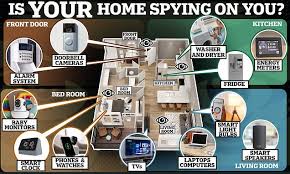
Surveillance Systems: A Comprehensive Guide
Are you looking for ways to secure your home and family? Do you want to monitor your property from anywhere in the world? Look no further! In this article, we will explore the various surveillance systems available on the market today.
What is Surveillance?
Surveillance refers to the monitoring of a person or place by means of electronic devices such as cameras, microphones, and sensors. The primary goal of surveillance is to detect and prevent crime, but it can also be used for other purposes like monitoring employees, customers, or visitors in a business setting.
Types of Surveillance Systems
There are two main types of surveillance systems: Wired and wireless.
- Wired Systems: These systems use cables to connect cameras, monitors, and other devices. They are generally more reliable and secure than wireless systems but require more effort to install.
- Wireless Systems: These systems use radio waves or internet connections to transmit video and audio signals. They are easier to install and move around but may be vulnerable to hacking and interference.
Components of a Surveillance System
A typical surveillance system consists of:
- Cameras: These capture images and videos, which can then be transmitted to monitors or storage devices.
- Monitors: These display the video feed from cameras in real-time.
- Storage Devices: These record and store video footage for later review.
- Power Supplies: These provide electricity to all components of the system.
IP Cameras
IP (Internet Protocol) cameras are a type of surveillance camera that can be accessed remotely through the internet. They have several advantages, including:
- High-quality video and audio
- Remote access and monitoring
- Weather resistance and durability
However, they may also be vulnerable to hacking and cyber attacks.
Dvrs
A DVR (Digital Video Recorder) is a device that records video footage from multiple cameras. It has several advantages, including:
- High-capacity storage for long-term recording
- Easy installation and configuration
- Remote access and monitoring
However, it may also be subject to hardware failure and data loss.
App And Services
There are various apps and services available that can help you monitor your home or business remotely. Some popular options include:
- Alfred Camera: This app allows you to view live video feed from multiple cameras and receive motion alerts.
- Camy: This app offers remote monitoring, motion detection, and alerting features.
- WardenCam: This app provides real-time video streaming, motion detection, and alerting capabilities.
Other Solutions
If you are looking for alternative solutions to surveillance systems, consider the following options:
- Motion-sensitive lights: These can help deter intruders by illuminating areas where they enter.
- Security alarms: These can provide an added layer of protection against unauthorized entry.
- Smart home devices: These can integrate with other smart devices to create a comprehensive security system.
Conclusion
Surveillance systems are an effective way to secure your home and business, but it’s essential to choose the right type for your needs. IP cameras offer high-quality video and remote access, while DVRs provide long-term storage and easy installation. Apps and services can also be used for monitoring purposes. Remember to consider other solutions like motion-sensitive lights, security alarms, and smart home devices when creating a comprehensive security system.
Faqs
Here are some frequently asked questions about surveillance systems:
Q: What is the difference between wired and wireless surveillance systems?
A: Wired systems use cables to connect cameras, monitors, and other devices, while wireless systems use radio waves or internet connections to transmit video and audio signals.
Q: How do IP cameras work?
A: IP cameras capture images and videos, which can then be transmitted to monitors or storage devices through the internet. They offer high-quality video and remote access but may be vulnerable to hacking and cyber attacks.
Q: What is a DVR, and how does it work?
A: A DVR is a device that records video footage from multiple cameras. It provides high-capacity storage for long-term recording, easy installation and configuration, and remote access and monitoring.
Q: Are there any other solutions besides surveillance systems?
A: Yes, consider motion-sensitive lights, security alarms, and smart home devices when creating a comprehensive security system.
Conclusion
In conclusion, choosing the right type of surveillance system depends on your specific needs and preferences. Whether you opt for IP cameras, DVRs, apps, or services, make sure to research and compare different options before making a decision. Don’t forget to consider other solutions like motion-sensitive lights, security alarms, and smart home devices when creating a comprehensive security system.
Here are eight FAQs about surveillance systems:
- What is the difference between wired and wireless surveillance systems?
- How do IP cameras work?
- What is a DVR, and how does it work?
- Are there any other solutions besides surveillance systems?
- Can I use a smartphone or tablet as a monitor for my surveillance system?
- How can I ensure that my surveillance system is secure from hacking and cyber attacks?
- What are some benefits of using a DVR in a surveillance system?
- Are there any apps or services available that offer remote monitoring capabilities?