
Investing can be a rollercoaster ride, with the stock market experiencing its highs and lows. Unfortunately, not every investment pays off, and facing losses can be a tough pill to swallow. However, savvy investors have a powerful tool at their disposal: tax-loss harvesting. In this guide, we’ll explore the ins and outs of tax-loss harvesting, its benefits, and how you can effectively apply this strategy to offset investment losses.
What is Tax-Loss Harvesting?
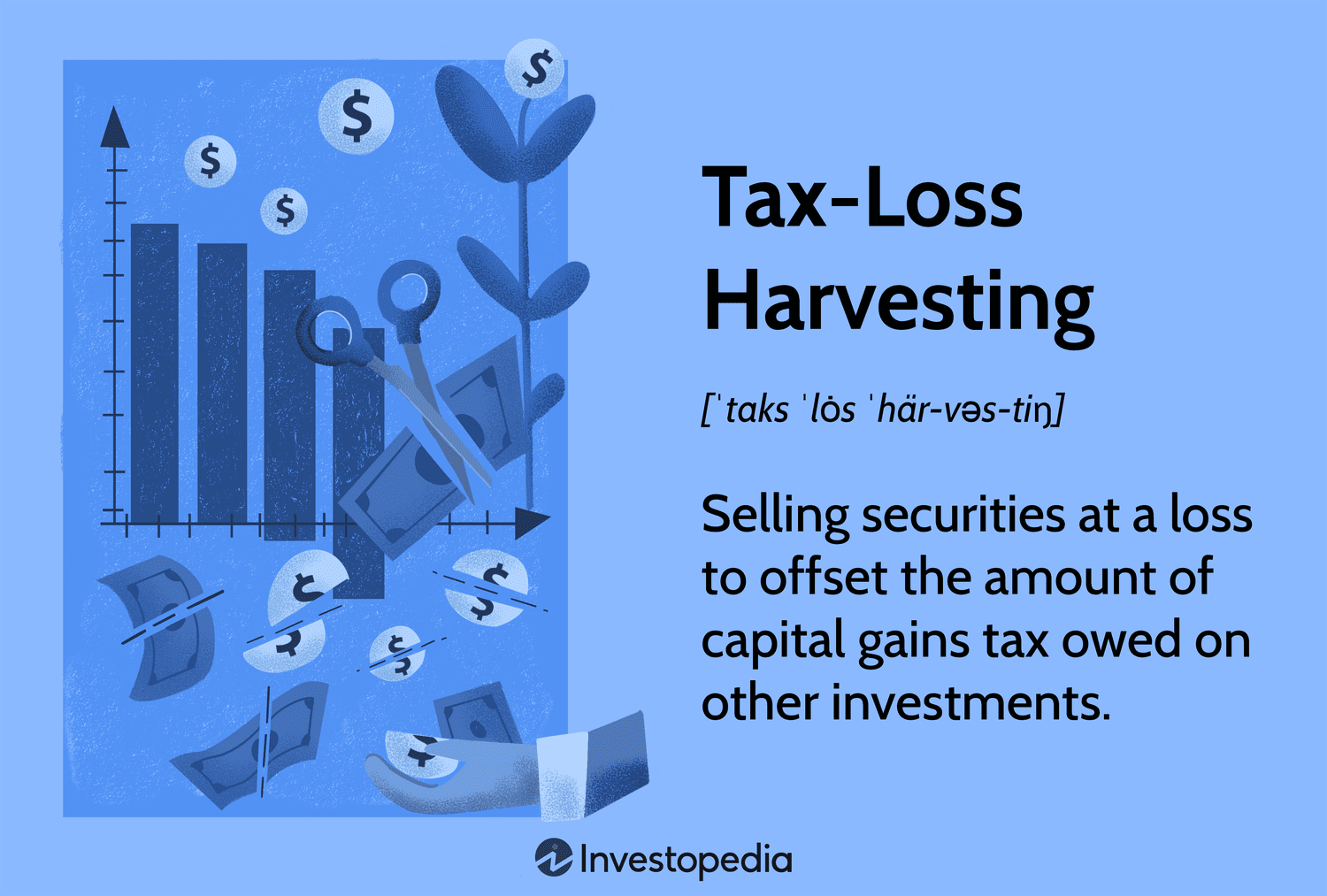
Tax-loss harvesting is a strategy employed by investors to minimize their tax liability by selling losing investments to offset gains made from other investments. Essentially, you sell assets that have decreased in value during a specific time frame to realize a loss. This realized loss can then be used to counterbalance capital gains or, in certain circumstances, even ordinary income.
The Mechanics of Tax-Loss Harvesting
When you sell an investment for less than what you paid for it, the loss becomes “realized.” For tax purposes, investors can use these realized losses to offset gains made on other investments within the same tax year. Here’s a deeper look at how it works:
-
Calculate Your Gains and Losses: Before you begin harvesting losses, you’ll want to assess your investment portfolio. Look for assets that are underperforming and may not rebound in the immediate future.
-
Sell Losing Investments: Once you identify these underperformers, sell them to realize the loss. Keep a detailed record of the purchase price, selling price, and the net loss incurred.
-
Offset Gains: Use the realized losses to offset any realized gains you may have in the same tax year. For instance, if you made a $10,000 profit from selling one investment but incurred a $4,000 loss from another, you would only pay taxes on a net gain of $6,000.
-
Carry Over Excess Losses: If your losses exceed your gains, you can use the remaining losses to offset up to $3,000 in ordinary income ($1,500 if married filing separately) per tax year. Any excess losses can be carried forward to future tax years until fully utilized.
Why Should You Consider Tax-Loss Harvesting?
Tax-loss harvesting can be a powerful strategy for several reasons. First, it enables you to lower your tax liability, which can improve your overall investment returns. Here are some benefits of the approach:
1. Minimizing Capital Gains Tax
Capital gains taxes can eat into your investment returns. By harvesting losses, you can offset your taxable capital gains, which helps you retain more of your hard-earned money.
2. Diversification Opportunities
When you sell a losing investment, it often provides a chance to reinvest in different opportunities. Tax-loss harvesting can act as a catalyst for diversifying your portfolio, allowing you to seize new investment prospects while boosting your tax efficiency.
3. Carrying Forward Losses
As mentioned earlier, if your losses exceed your gains, you can carry them forward, providing you with tax benefits for years to come. This can be particularly advantageous if you anticipate higher gains in future years.
4. Creating a Balanced Portfolio
The investment landscape is ever-changing, and what may have seemed like a suitable investment a few months ago may now seem lackluster. By actively engaging in tax-loss harvesting, you can ensure your portfolio remains aligned with your investment goals.
Key Considerations for Tax-Loss Harvesting
While tax-loss harvesting can be beneficial, it’s important to approach this strategy with care. Here are a few critical factors to keep in mind:
1. The Wash Sale Rule
The IRS imposes a rule known as the wash sale rule. This rule prevents investors from claiming a tax deduction for a security sold at a loss if the same or a substantially identical security is purchased within a 30-day period before or after the sale. Failure to adhere to this rule could result in denied deductions. So, be cautious when buying back into similar investments.

- Overcome negative thought patterns, reduce stress, and live a worry-free life
- Overthinking is the biggest cause of unhappiness
- Don't get stuck in a never-ending thought loop
- Stay present and keep your mind off things that don't matter, and never will
- Break free of your self-imposed mental prison
2. Long-Term vs. Short-Term Capital Gains
Understanding the difference between long-term and short-term capital gains is crucial. Long-term capital gains (assets held for over a year) are taxed at a lower rate than short-term gains (assets held for less than a year). When harvesting losses, consider how they will apply to your long-term versus short-term gains.
3. Realized vs. Unrealized Losses
Only realized losses can be used for tax purposes. Unrealized losses—those on investments you still hold—cannot be claimed as deductions. This distinction is essential when planning your tax strategies.
4. Market Conditions and Investment Outlook
Before engaged in tax-loss harvesting, evaluate the current market conditions and your outlook for the investments in question. It might make more sense to hold off on a sale if you believe a particular investment has the potential to rebound shortly.
How to Implement Tax-Loss Harvesting in Your Investment Strategy
If you’re ready to consider tax-loss harvesting, here is a step-by-step guide to help you get started:
Step 1: Assess Your Portfolio Regularly
Make it a habit to evaluate your investments at least once a year, though quarterly assessments can provide greater insight. Identify underperforming assets that may warrant a sale.
Step 2: Identify Taxable Gains
Before selling any investments, determine which of your investments are producing taxable gains that you might want to offset.
Step 3: Execute the Sale of Losing Investments
Once you’ve identified your losing investments, execute the sale. Keep meticulous records of each transaction for tax reporting purposes.
Step 4: Reinvest Wisely
Consider reinvesting the proceeds from your sale into other opportunities. Make sure to avoid falling foul of the wash sale rule if you’re selling and planning to reinvest in a similar asset.
Step 5: Document Everything
Maintaining comprehensive documentation is vital. Save all transaction records, including confirmations, statements, and reports, for your records and for use during tax season.
Frequently Asked Questions
Is Tax-Loss Harvesting Only for High-Income Investors?
Not at all. Tax-loss harvesting is a strategy beneficial for any investor wishing to reduce their taxable income, irrespective of income level.
Can I Harvest Losses in Tax-Advantaged Accounts?
While tax-loss harvesting is primarily beneficial for taxable investment accounts, you won’t be able to harvest losses in tax-advantaged accounts like IRAs and 401(k)s, as these accounts are not subject to capital gains taxes.
How Frequently Can I Harvest Losses?
There’s no specific limit on frequency, but keep in mind the wash sale rule. As long as you adhere to it, you may implement tax-loss harvesting as often as necessary.
What Are Common Mistakes to Avoid?
One common mistake is failing to account for the wash sale rule. Others include neglecting to do regular portfolio assessments or being overly reactive and selling investments prematurely.
Final Thoughts
As investors, the path to financial growth isn’t straightforward. While it’s essential to embrace the wins, acknowledging and managing losses is equally crucial. Tax-loss harvesting is a valuable strategy that can help you reduce your tax burden and improve your overall financial standing.
By keeping a keen eye on the market and maintaining a disciplined approach, you can take full advantage of tax-loss harvesting to offset your investment losses and make the most of your investment portfolio. Remember, it’s always wise to consult with a tax advisor or financial planner to optimize your strategy based on your unique circumstances.
Take control of your financial future and incorporate tax-loss harvesting into your investment approach. With patience and prudence, you can turn losses into learning experiences and navigate the often-complex landscape of investing with confidence.


