
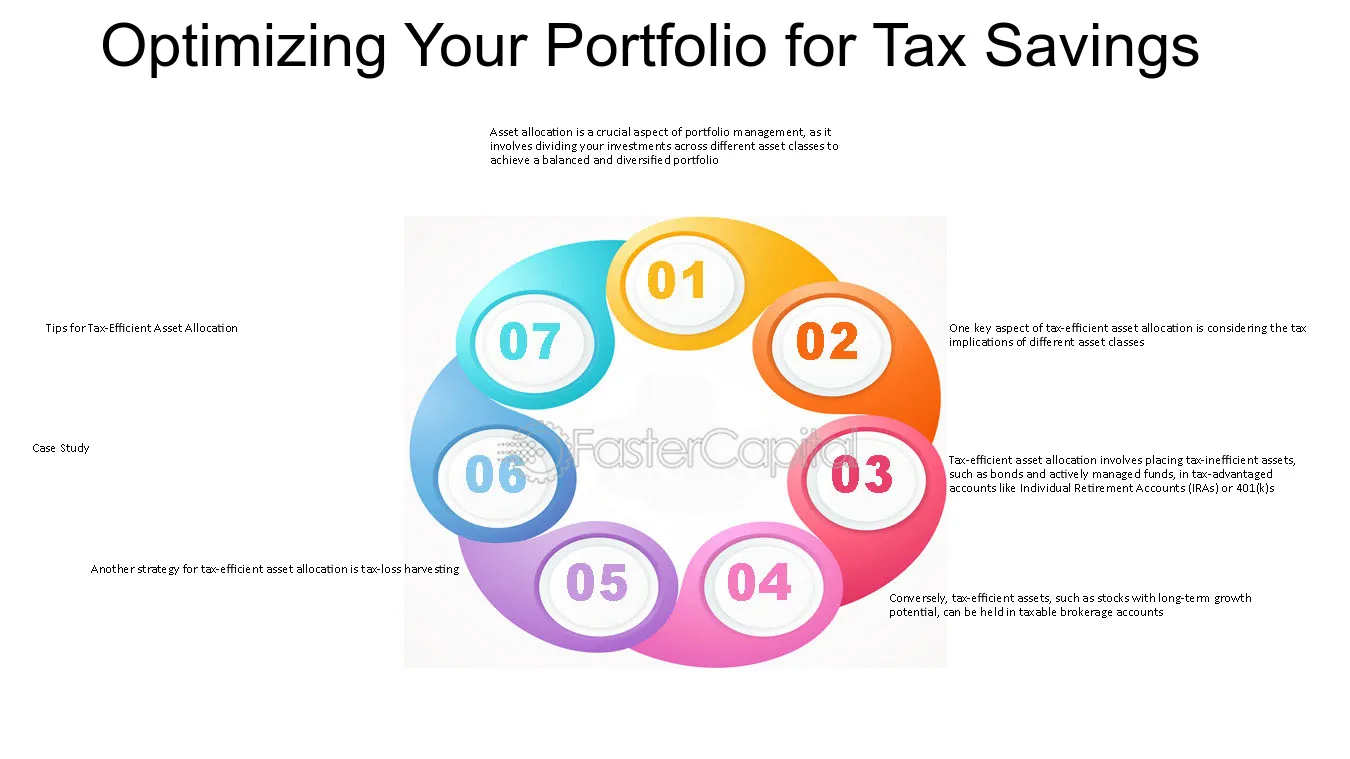
As every traveler knows, taking the scenic route often leads to greater experiences and discoveries. However, when it comes to financial travel—the journey of growing your investment portfolio—you’ll want to navigate with a strategy that prioritizes tax efficiency. Just as you might pack light for a trip to focus on experiences rather than clutter, optimizing your investment portfolio for tax efficiency can streamline your financial journey. This article will explore actionable strategies and insights to help you make the most of your investments while keeping Uncle Sam at bay.
Understand the Basics of Tax Efficiency
Before diving into the nitty-gritty of optimizing your investment portfolio, it’s essential to understand what tax efficiency means. In simple terms, tax efficiency refers to minimizing the taxes you owe on your investments, maximizing your overall returns. Every investor should prioritize tax efficiency as it can substantially impact your portfolio’s growth over time.
Why It Matters
Imagine you’re in a stunning travel destination, and instead of enjoying the views, you’re bogged down by heavy luggage. Tax inefficiencies act similarly in your investment portfolio—they weigh you down, diminishing your returns. By streamlining your portfolio to be more tax-efficient, you can experience greater financial freedom and potentially fund those dream vacations you’ve been eyeing without the extra stress.
Step 1: Choose the Right Investment Accounts
The first step for any traveler is to choose a suitable mode of transportation. In the world of investing, your choice of accounts can significantly affect your tax efficiency.
Taxable vs. Tax-Advantaged Accounts
When you are piecing together your investment portfolio, understanding the difference between taxable and tax-advantaged accounts, like IRAs and 401(k)s, is crucial.
-
Taxable Accounts: These accounts are subject to capital gains taxes when you sell investments at a profit. Additionally, dividends and interest earned are taxable in the year they’re received. It’s crucial to be strategic about what investments you place in these accounts.
-
Tax-Advantaged Accounts: Accounts like traditional IRAs, Roth IRAs, and 401(k)s offer various tax benefits, such as tax deferrals on contributions or tax-free withdrawals. Taking full advantage of these can significantly enhance your tax efficiency.
Allocation Strategy
A well-thought-out allocation strategy can help balance your tax-efficient investments. Place income-generating assets, such as bonds that produce interest or dividend-paying stocks, in tax-advantaged accounts where they can grow tax-deferred or tax-free. Conversely, put growth-oriented investments, like stocks with high potential for capital appreciation, in your taxable accounts to utilize lower capital gains rates.
Step 2: Focus on Long-Term Investments
Traveling means embarking on journeys that often take time; the same principle applies to investing. Opting for long-term investments not only allows for compounding but also has tax advantages.
Capital Gains Tax
If you sell a stock or another asset in less than one year, you may owe a higher short-term capital gains tax rate, which is generally equivalent to your ordinary income tax rate. In contrast, assets held for over a year qualify for long-term capital gains rates, which can be significantly lower—sometimes as low as 0%, depending on your income bracket.
Buy and Hold Strategy
Adopting a buy-and-hold strategy can help ensure you aren’t triggering short-term capital gains taxes. This method resembles taking in the breathtaking views along a winding mountain pass rather than racing straight to your destination. Buy quality investments and allow them to appreciate over time, generating long-term rewards while minimizing tax liabilities.
Step 3: Embrace Tax-Loss Harvesting
Imagine your travel itinerary is full of wonderful experiences, but you’ve also encountered a few hiccups along the way. Tax-loss harvesting is a way to mitigate these bumps in your investment journey.
What Is Tax-Loss Harvesting?
Tax-loss harvesting involves selling investments that have declined in value to offset gains made elsewhere in your portfolio. This strategy can lower your taxable income and lead to reduced capital gains taxes.

- Overcome negative thought patterns, reduce stress, and live a worry-free life
- Overthinking is the biggest cause of unhappiness
- Don't get stuck in a never-ending thought loop
- Stay present and keep your mind off things that don't matter, and never will
- Break free of your self-imposed mental prison
Timing Is Everything
While you should regularly evaluate your portfolio for potential losses, it’s essential to consider timing. Ending the year with a loss can be beneficial for tax purposes, but you’ll want to keep an eye on your overall investment strategy. Never let tax considerations dictate your investment decisions; always prioritize maintaining a balanced and diversified portfolio.
Step 4: Diversify Your Investments
Just as a successful traveler knows to explore different cultures and cuisines, a well-rounded investment portfolio should comprise various asset classes. This not only reduces risk but also enhances your portfolio’s tax efficiency.
Asset Classes and Their Tax Impact
Stocks, bonds, real estate, and mutual funds have different tax implications. For instance, municipal bonds often yield tax-free interest at the federal level, making them attractive for tax-sensitive investors. On the other hand, stocks in tax-efficient index funds typically trigger fewer taxable events due to lower turnover.
By diversifying across different asset classes, you’re not only mitigating risk but also optimizing the tax treatment on your investments. Consider placing different asset classes in appropriate accounts based on their tax implications.
Step 5: Utilize Tax-Deferred Growth
For many travelers, stumbling upon an off-the-beaten-path destination often leads to unexpected treasures. Similarly, using growth investments within tax-advantaged accounts can yield significant benefits.
Compounding Interest
Investors in tax-deferred accounts like IRAs or 401(k)s benefit from compound growth without immediate tax burdens. Because your money can grow without being taxed until withdrawal, you have the potential to accumulate more over the long term.
Roth Accounts
Roth accounts take tax-deferred growth a step further by providing tax-free withdrawals in retirement. Contributing to a Roth account can be particularly advantageous if you expect to be in a higher tax bracket during retirement.
Step 6: Stay Informed About Tax Laws
Just as you’d appreciate a well-researched travel guide that updates you on local customs and laws, staying informed about tax laws applicable to your investments is crucial. Changes in tax legislation can have significant implications for your portfolio.
Consult a Tax Professional
Navigating the intricacies of investment taxes can feel overwhelming at times. Considering hiring a tax professional or a financial advisor who specializes in tax-efficient investing. They can provide insights tailored to your individual situation and help you optimize your portfolio for maximum tax efficiency.
Step 7: Review and Rebalance Regularly
The best travel plans are flexible, allowing for adjustments as conditions change. Your investment portfolio is no different. Regular reviews and rebalancing ensure you remain aligned with your goals.
Performance Monitoring
Regularly assess the performance of your investments and their tax implications. If some investments have grown disproportionately, you may need to rebalance to ensure your portfolio remains aligned with your risk tolerance and investment goals.
End-of-Year Strategies
As the calendar year closes, evaluate your investments’ performance and tax implications. This is also an ideal time to implement tax-loss harvesting strategies while optimizing contributions to tax-advantaged accounts.
Conclusion
Optimizing your investment portfolio for tax efficiency is akin to planning an exciting and fulfilling journey. By understanding the nuances of tax-efficient investing, setting the right strategies, and navigating potential tax pitfalls, you can enhance your financial journey. Remember that like any trip, patience and planning are key. As you embark on this financial adventure, the rewards of tax efficiency will travel alongside you in the form of greater returns, reduced tax burdens, and a more secure financial future.
Whether you’re an experienced investor or a novice just starting, these strategies will help you make the most of your investments. So buckle up, map out your route to tax efficiency, and enjoy the ride! Happy investing!


