
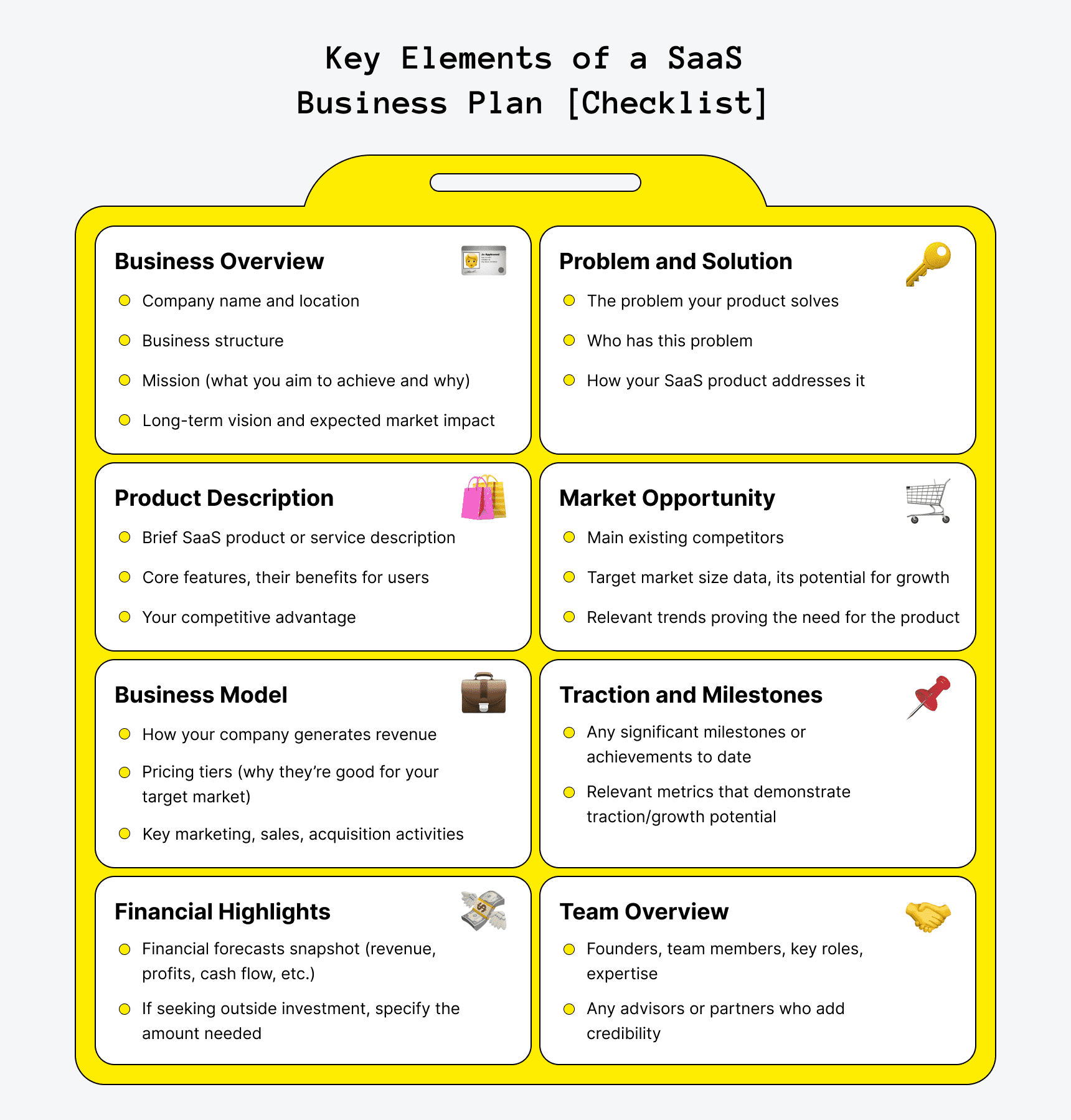
Starting a Software as a Service (SaaS) business can feel like navigating an intricate labyrinth. With the rapid growth of the cloud computing industry, more entrepreneurs are diving into the SaaS model, aiming to deliver innovative solutions to customers while achieving profitability. A critical component of your SaaS business plan is the operational processes. But how exactly do you outline these processes to ensure smooth sailing for your entrepreneurial venture? In this article, we’ll walk you through the essentials, offering practical tips grounded in industry best practices.
Understanding the Importance of Operational Processes
Before we delve into outlining specific operational processes, let’s clarify why they matter. Operational processes serve as the backbone of your SaaS business. They encompass everything from product development and customer support to billing and regulatory compliance. By clearly defining these processes, you not only create a roadmap for your team but also instill confidence in stakeholders and investors.
Key Benefits of Well-Defined Operational Processes:
- Efficiency: Streamlined processes save time and reduce redundancy, enabling your team to focus on high-value activities.
- Consistency: Having a standard operating procedure (SOP) ensures that every task is performed uniformly, leading to reliable service delivery.
- Scalability: Clear processes make it easier to onboard new team members and scale operations when necessary.
- Accountability: Well-documented processes clarify roles and responsibilities, making it easier to hold team members accountable.
- Risk Mitigation: By identifying potential operational risks early on, you can devise strategies to mitigate them, ensuring smoother operations.
Step-by-Step Guide to Outlining Your SaaS Operational Processes
Step 1: Mapping Out Key Functions
Start by identifying the core functions of your SaaS business. At a fundamental level, these may include:
- Product Development: The creation and improvement of your software.
- Customer Acquisition: Strategies for marketing and selling your SaaS product.
- Customer Support: Services provided to assist users with any issues.
- Billing and Payments: Handling subscriptions, invoices, and payment processing.
- Compliance and Security: Ensuring your product adheres to relevant laws and regulations.
Step 2: Defining Each Function in Detail
Once you’ve outlined the key functions, it’s time to break them down into specific operational processes.
Product Development
- Agile Development Methodologies: Discuss your approach to building the software, whether it involves scrums, sprints, or lean methodologies. Highlight tools like JIRA or Trello used for managing tasks.
- Feedback Loops: Establish communication channels for user feedback that informs the development cycle, fostering a culture of continuous improvement.
Customer Acquisition
- Marketing Channels: Outline the different channels you’ll use. This could include social media, email marketing, SEO, content marketing, and paid ads.
- Sales Pipeline: Create a step-by-step sales process that outlines how leads are captured, tracked, and converted to paying customers.
Customer Support
- Support Channels: Explore multi-channel support options, such as chatbots, email support, phone assistance, and support forums.
- Service Level Agreements (SLAs): Clearly define response times and service commitments to manage customer expectations.
Billing and Payments
- Subscription Models: Decide which subscription tiers you’ll offer (monthly, annually, freemium).
- Payment Gateways: Specify the payment processors (like Stripe or PayPal) you’ll use and the security measures in place to protect customer data.
Compliance and Security
- Data Handling Practices: Define your approach to data encryption, storage, and user privacy.
- Regulatory Compliance: Identify the regulations you’ll adhere to, such as GDPR, HIPAA, or CCPA, and the steps necessary for compliance.

- Overcome negative thought patterns, reduce stress, and live a worry-free life
- Overthinking is the biggest cause of unhappiness
- Don't get stuck in a never-ending thought loop
- Stay present and keep your mind off things that don't matter, and never will
- Break free of your self-imposed mental prison
Step 3: Documenting Your Processes
Creating documentation for each process is vital for communication and future reference. Here are some ways to do this effectively:
- Standard Operating Procedures (SOPs): Document each process step-by-step. Include visual aids like flowcharts or infographics for clarity.
- Collaborative Tools: Utilize platforms such as Google Docs, Confluence, or Notion for real-time collaboration and feedback from team members.
Step 4: Implementing the Processes
Once your processes are documented, it’s time to implement them. This phase involves training your staff and integrating these processes into your everyday routines.
- Training Sessions: Conduct training for all relevant team members to ensure they understand the new procedures.
- Pilot Testing: Consider running a pilot test of new processes to identify any adjustments needed before a full rollout.
Step 5: Monitoring and Improving
Operational processes should be dynamic, evolving as your business grows. Here are methods for ongoing monitoring and refinement:
- KPIs and Metrics: Determine key performance indicators for each process. Regularly review these metrics to assess efficiency and effectiveness.
- Continuous Feedback: Create channels for team members and customers to provide feedback regarding processes. Use this information to make informed adjustments.
Common Challenges and How to Overcome Them
Challenge 1: Resistance to Change
Many team members may resist new processes, especially if they are accustomed to existing workflows. To counter this:
- Communicate Benefits: Clearly articulate how these processes will improve operations for everyone.
- Involve Team Members in Development: Engaging team members in the creation of processes can foster a sense of ownership and acceptance.
Challenge 2: Overcomplication
It’s easy to fall into the trap of creating overly complex processes. To keep it simple:
- Focus on Core Activities: Prioritize the most critical processes that directly impact your business success.
- Use Clear Language: Make documentation easily understandable to avoid confusion.
Challenge 3: Keeping It Up-to-Date
As your SaaS business evolves, so will your operational processes. To ensure they remain relevant:
- Schedule Regular Reviews: Establish a routine of evaluating processes (e.g., annually or bi-annually).
- Assign Ownership: Appoint team members responsible for specific processes, ensuring accountability for their upkeep.
Conclusion: Your Roadmap to SaaS Success
Outlining operational processes in a SaaS business plan may initially seem daunting, but the benefits far outweigh the challenges. By following the steps outlined in this guide, you can create a robust foundation for your business that fosters efficiency, scalability, and accountability. Remember, these processes are alive—they should adapt and grow alongside your business. As you embark on this exciting journey, never overlook the importance of effective operational processes in driving your SaaS business toward long-term success.
Navigating the SaaS landscape requires not only a strong product but also a comprehensive plan that aligns your operational workflows with your overarching business goals. By investing the time to outline and implement these processes, you set the stage for a thriving SaaS enterprise that can effectively meet the evolving needs of your customers. Start crafting your operational processes today, and watch your SaaS business flourish!
Feel free to adapt this article to suit your specific needs or add any additional sections that you think would enhance the overall content!


