
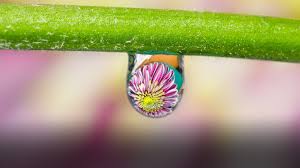
The Art of Photographing Drops of Water: A Step-by-step Guide
Are you fascinated by the beauty of drops of water? Have you seen mesmerizing photographs of these tiny droplets that seem to defy gravity and capture the essence of liquid dynamics? If yes, then you’re in for a treat! In this article, we’ll delve into the world of photographing drops of water, exploring the techniques, tips, and tricks to help you capture stunning images using both a reflex camera and a smartphone.
Understanding The Basics
Before we dive into the nitty-gritty details, let’s get familiar with some basic concepts. When it comes to photographing drops of water, there are two primary types: Static and dynamic. Static drops refer to those that remain still on a surface, while dynamic drops involve those that move or fall onto a surface.
Choosing The Right Objective
If you’re using a reflex camera, selecting the right objective is crucial for capturing sharp images. Macro objectives with a focal length of 50-100mm are ideal for photographing drops of water. These lenses allow you to focus on the subject from a close distance, creating an intimate and detailed image.
Some popular macro objectives include:
- Canon EF 100mm f/2.8 L Macro IS USM
- Sigma 105mm F2.8 EX DG OS HSM
Setting Up Your Reflex Camera
Now that you’ve chosen your objective, it’s time to set up your reflex camera for optimal results.
- Manually Set The Mode: Switch to manual mode (M) on your camera to gain control over the settings.
- Adjust Iso And Aperture: Set the ISO to its lowest possible value (e.G., 100) To avoid digital noise, and use a narrow aperture (f/11-f/16) to create a sharp image.
- Focus Manually: Use the manual focus mode to ensure precise focusing on your subject.
- Adjust Shutter Speed: Set the shutter speed according to the type of drop you’re capturing:
- 1/60-1/40 For static drops
- 1/250-1/500 For dynamic drops
Preparing Your Scene
To capture stunning images, it’s essential to prepare your scene correctly.
- Fill a Basin With Water: Fill a transparent basin with water and place it on a flat surface.
- Position The Camera: Place your camera behind the basin at an angle of 20-25 degrees to create a mirror-like reflection.
- Add a Backdrop: Use a colored paperboard as a backdrop to add depth and interest to your image.
Photographing Static Drops
When photographing static drops, focus on capturing a sharp image with minimal blur.
- Place The Drop: Carefully place a single drop onto the surface of the water.
- Compose Your Shot: Adjust the camera’s position and angle to create a visually appealing composition.
- Click The Shutter: Press the shutter button to capture the moment.
Photographing Dynamic Drops
Capturing dynamic drops requires more planning and preparation.
- Prepare The Set: Fill a basin with water and add a few drops of glycerin or sugar to create a denser liquid.
- Position The Camera: Place your camera behind the basin at an angle, ensuring a clear view of the drop’s trajectory.
- Adjust Shutter Speed: Set the shutter speed to 1/250-1/500 to freeze the motion.
Photographing Drops With a Smartphone
If you don’t have access to a reflex camera, don’t worry! You can still capture amazing photos using your smartphone.
- Use a Macro Lens: Invest in a macro lens or adapter for your smartphone to enhance image quality.
- Adjust Settings: Use apps like Chamber FV-5 (for Android) and Halide (for iPhone) to adjust settings for optimal results.
- Tap on The Screen: Tap on the screen to focus on the drop, and then click the shutter button.
Tips And Tricks
To take your photography skills to the next level, remember these essential tips:
- Use a tripod or stabilizer to ensure smooth camera movement.
- Experiment with different angles and compositions to add visual interest.
- Pay attention to lighting conditions to create stunning effects.
- Practice makes perfect – don’t be discouraged if you don’t get it right on your first try!
Conclusion
Photographing drops of water is an art that requires patience, creativity, and practice. By following these step-by-step guides, you’ll be well on your way to capturing breathtaking images using both a reflex camera and a smartphone. So, what are you waiting for? Get out there and start snapping those stunning drops of water!


