
Investing can often feel like navigating a labyrinth, especially when you’re aiming for a growth-oriented investment portfolio. While seasoned investors might have their own strategies down pat, newbies often find themselves asking fundamental questions: How do I choose the right stocks? What factors should I consider? This guide aims to demystify the stock-picking process, focusing specifically on growth stocks. So, grab your notepad and let’s dive into the world of growth investing!
What Are Growth Stocks?
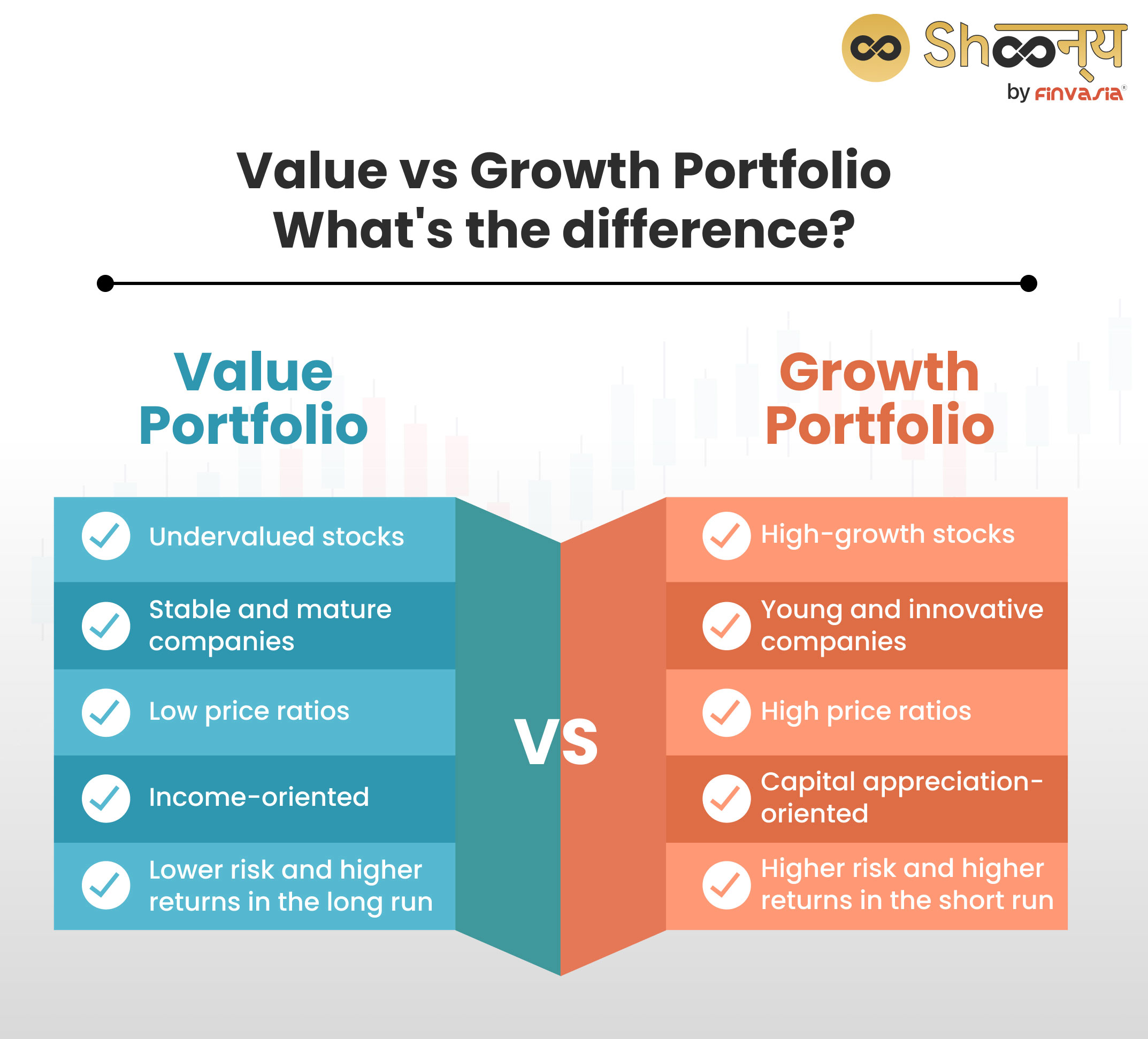
Before we dive into the nitty-gritty of stock selection, it’s essential to understand what growth stocks are. Growth stocks are shares in companies expected to grow at an above-average rate compared to other companies in the market. These companies usually reinvest their profits back into the business to fuel expansion, innovative projects, or product improvements, rather than paying dividends to shareholders. Because of this reinvestment strategy, growth stocks often come with higher price-to-earnings (P/E) ratios.
Why Invest in Growth Stocks?
Investing in growth stocks is attractive for a few reasons:
- Potential for Higher Returns: Growth stocks can deliver exceptional returns if the company performs well.
- Market Outperformance: Historically, growth stocks have outperformed value stocks in bull markets.
- Capital Appreciation: Unlike dividend-paying stocks, growth stocks primarily focus on capital appreciation (an increase in stock price over time).
However, it’s worth noting that growth investing also comes with higher risk, making educated stock selection critical to your success.
Step 1: Research Companies and Industry Trends
Start with Market Research
The first step in picking growth stocks is conducting comprehensive market research. Understand the trends in the industries that interest you. Are there emerging technologies or sectors that are gaining traction? For instance, tech industries, renewable energy, and e-commerce have seen substantial growth in recent years.
Analyze Industry Competitors
Once you’ve identified industries with potential, examine the major players and new entrants in those sectors. This analysis allows you to identify which companies are well-positioned to seize growing market share. Look at:
- Market Share: Companies that are expanding their market share are often good candidates for growth investments.
- Competitive Advantages: Pay attention to companies with unique selling propositions, such as exclusive technology or strong brand loyalty.
Step 2: Assess Financial Health
Key Financial Metrics to Consider
When investing in growth stocks, it’s crucial to evaluate the company’s financial health. Look beyond the surface figures to understand its long-term viability. Some key metrics to consider include:
-
Revenue Growth: Analyze revenue trends over the past few years. A consistent upward trend in revenue growth may indicate a company is expanding successfully.
-
Earnings Per Share (EPS): Look at EPS growth rates. These metrics indicate how profitably a company is growing and can reveal trends in its ability to convert revenue into profit.
-
Return on Equity (ROE): High ROE indicates that a company is effectively using shareholders’ equity to generate profits, often a good sign for growth potential.
-
Debt-to-Equity Ratio: Higher levels of debt can be risky, especially for growth companies. A lower ratio suggests that a company is not overly reliant on debt to fuel its growth.
-
Free Cash Flow (FCF): This is the cash available after the company spends its capital expenditures. A strong FCF indicates the company can invest in growth opportunities without needing additional financing.
Tools for Financial Analysis
Utilize financial platforms like Bloomberg, Yahoo Finance, and Google Finance to obtain the latest financial data. Many brokerage accounts provide built-in tools for analyzing stocks, allowing you to pull reports and graphs to visualize data easily.
Step 3: Evaluate Growth Potential
Market Opportunity
Identify the size of the addressable market and the potential for growth within it. Companies that are addressing massive, underserved markets often present significant investment opportunities. Review market research reports for insights on growth forecasts.
Management Team and Corporate Governance
The leadership team plays a crucial role in a company’s success. Research the backgrounds of key executives to ensure they have a proven track record of driving growth. Look for companies where the management team demonstrates a clear vision and the expertise required to execute that vision.

- Overcome negative thought patterns, reduce stress, and live a worry-free life
- Overthinking is the biggest cause of unhappiness
- Don't get stuck in a never-ending thought loop
- Stay present and keep your mind off things that don't matter, and never will
- Break free of your self-imposed mental prison
Innovation and R&D Investments
Companies that prioritize research and development (R&D) are often the ones that continue to innovate and stay ahead of the competition. Check how much the company spends on R&D as a percentage of its revenue. Higher investments in innovation can indicate future growth potential.
Step 4: Evaluate Valuation Metrics
While growth is a priority, it’s also essential to consider whether a stock is valued appropriately. High P/E ratios are common in growth stocks, but they shouldn’t be excessively high compared to peers. Here are some valuation metrics to consider:
-
Price-to-Earnings Growth (PEG) Ratio: Calculated by dividing the P/E ratio by the company’s growth rate, a PEG ratio under 1.0 indicates that the stock may be undervalued.
-
Price-to-Sales (P/S) Ratio: This ratio provides insight into how the market values the company’s sales. A lower P/S ratio could indicate a better buying opportunity, especially in high-growth companies.
-
Price-to-Book (P/B) Ratio: This metric gives an idea of how the market values a company’s net assets. High-growth companies often have elevated P/B ratios, but significant discrepancies from peers may signal a need for caution.
Step 5: Monitor Market Sentiment and Trends
Keep an Eye on News and Developments
Stay updated on news that could affect your investments. Market sentiment can change rapidly due to factors such as economic data releases, competitive advancements, or regulatory changes. An effective approach is to set up news alerts for companies and industries you’re focused on.
Analyst Ratings
While it’s important to conduct your own analysis, consider looking at analyst ratings for additional insight. Analysts provide ratings and price targets based on their assessments, which can guide your investment decisions.
Step 6: Diversify Your Growth Portfolio
Once you’ve identified a few growth stocks you’d like to invest in, remember that diversification is vital. Avoid concentrating your investment in a single stock or sector, as this can heighten your risk. A well-diversified portfolio will include various sectors and industries, reducing the impact of any single investment’s poor performance.
Consider Exchange-Traded Funds (ETFs)
If picking individual growth stocks feels overwhelming, consider investing in growth-focused ETFs. These funds hold a basket of growth stocks, providing instant diversification and easing the burden of stock selection.
Final Thoughts: Stay Disciplined and Committed
Investing in growth stocks can be an exciting venture, but it requires discipline and a long-term perspective. Growth stocks may experience volatility, and market fluctuations can test your patience. Stick to your research, run through your checklist, and don’t get swayed by market fear or hype.
Continued Education and Adaptation
The investment landscape is ever-changing. To remain successful, keep learning and adapting your strategies. Attend workshops, read investment books, or engage with online communities dedicated to growth investing. As you gain experience, your ability to pick winning stocks will improve.
Conclusion
Picking stocks for a growth-oriented investment portfolio is a blend of research, analysis, and intuition. By understanding the characteristics of growth stocks, researching companies, analyzing financial health, and staying informed about market trends, you can build a portfolio that has the potential to outperform traditional investments. It’s a journey that requires effort and patience but one that can significantly reward you in the long run. Happy investing!
This engaging, comprehensive guide covers everything you need to know about selecting stocks for a growth-oriented investment portfolio. By following these strategic steps, you’ll be well on your way to making informed investment decisions. Whether you’re a novice investor or looking to refine your strategy, the lessons and insights shared here will set the foundation for growth-oriented success in your portfolio.


