
In today’s digital era, customer support isn’t just an afterthought; it’s a cornerstone of any successful Software as a Service (SaaS) business. With an increasing number of companies opting for SaaS models, knowing how to effectively plan and manage customer support teams has become more crucial than ever. Whether you are a fledgling startup or a well-established enterprise, this guide will provide you with actionable insights on how to create and optimize customer support teams in your SaaS business.
Understanding the Importance of Customer Support in SaaS
In the SaaS industry, customer support plays a critical role in maintaining customer satisfaction, ensuring user retention, and driving growth. Here’s why it matters:
-
User Experience: Good customer support can drastically enhance the user experience. When users encounter issues, having a reliable support system reassures them that they are not alone.
-
Churn Reduction: A solid customer support framework can help reduce churn by addressing customer concerns and resolving issues promptly.
-
Brand Loyalty: Customers who feel valued and supported are more likely to become repeat users, thereby boosting brand loyalty.
-
Feedback Loop: Customer support teams serve as a valuable resource for collecting user feedback, which can drive product improvements.
-
Competitive Advantage: In an increasingly crowded market, providing superior customer support can set your SaaS business apart from competitors.
Steps to Plan Your Customer Support Teams
Planning an effective customer support team for your SaaS business involves several key steps. Let’s dive into the process.
1. Determine Your Customer Support Strategy
Your support strategy sets the tone for how customer inquiries will be handled. Here are some elements to consider:
- Support Channels: Will you offer support via chat, phone, email, or social media? Analyze where your customers are most likely to seek help.
- Level of Support: Decide if you will provide tiered support levels. For example, will there be general support staff as well as specialized team members?
- Response Time: Establish guidelines for expected response times. This will help set customer expectations.
2. Assess Your Target Audience’s Needs
Understanding your target audience is crucial in planning a customer support team. Conduct user research to gather insights about:
- Common Problems: What issues do your users frequently encounter?
- Preferred Support Channels: How do they prefer to reach out for help?
- Time Zones: If you have an international customer base, you may need to consider support hours for different time zones.
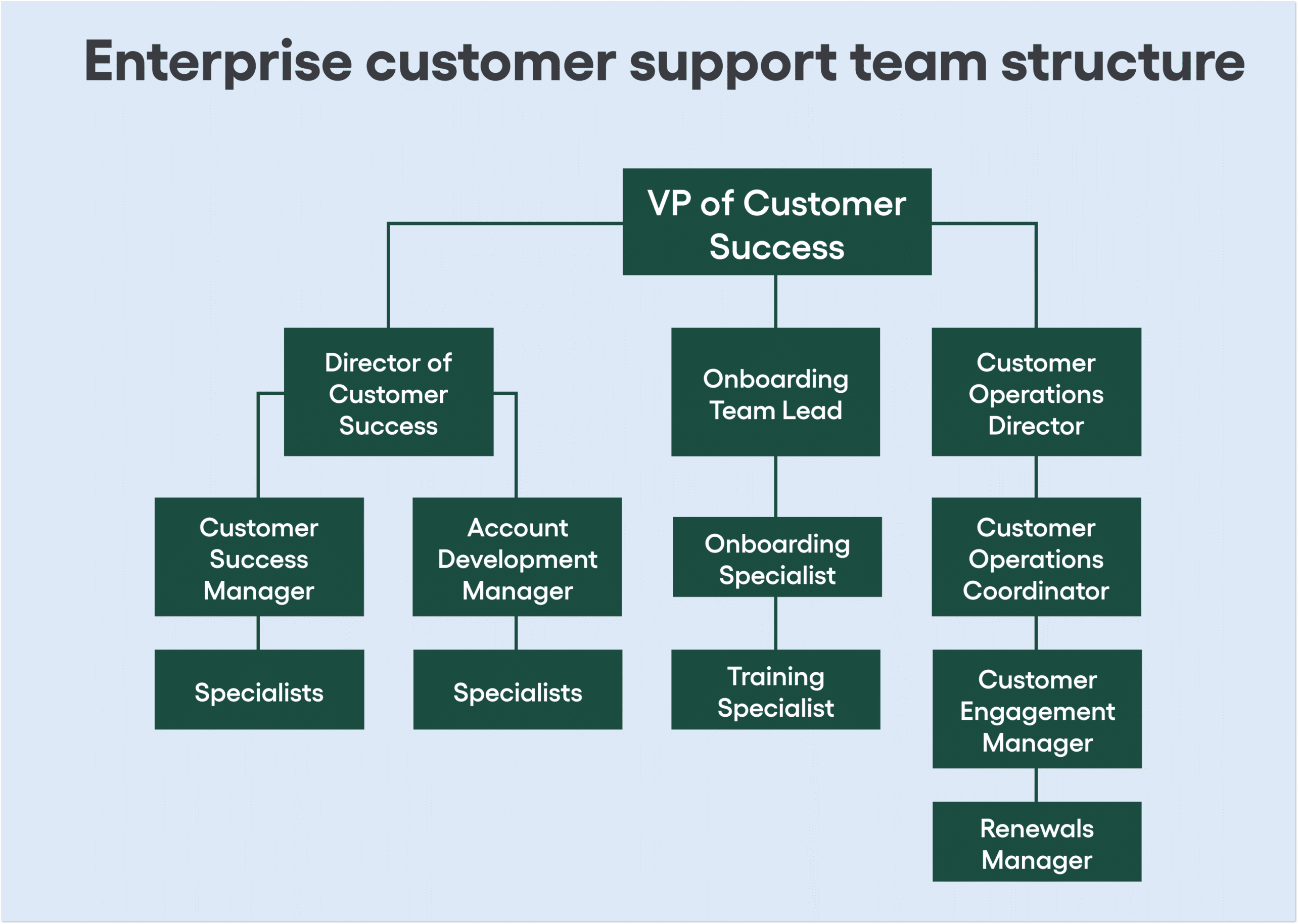
3. Build the Right Team
Once you have a clear understanding of your strategy and audience needs, it’s time to build your support team.
- Hiring: Look for individuals with strong communication skills, a customer-centric mindset, and familiarity with your software. Don’t discount the importance of soft skills.
- Training: Implement a robust training program that includes product knowledge, communication skills, and customer service best practices.
- Diversity: Strive for a diverse team that can relate to a wider audience, contributing to more effective customer interactions.
4. Implement Support Tools and Technologies
In the SaaS industry, leveraging technology is essential for efficient customer support. Consider the following tools and technologies:
- Help Desk Software: Implement a help desk solution like Zendesk or Freshdesk to track customer inquiries and support tickets.
- Live Chat: Offering live chat on your website allows for immediate assistance, which can enhance user experience.
- Knowledge Base: Create a knowledge base or FAQ section where customers can self-serve for common issues. This can reduce the volume of tickets your team has to manage.
- Feedback Tools: Use customer feedback tools to gather information on user satisfaction and identify areas for improvement.
5. Create Documentation and Resource Libraries
Documentation is vital for maintaining clarity and efficiency within your customer support team.
- Internal Documentation: Develop comprehensive internal guides or handbooks that detail processes, troubleshooting procedures, and FAQs.
- FAQ Section: An accessible FAQ section on your website can help users find answers quickly, reducing their need to contact support.
- Tutorials and Videos: Consider creating tutorial videos and how-to articles that visually guide users through common processes.

- Overcome negative thought patterns, reduce stress, and live a worry-free life
- Overthinking is the biggest cause of unhappiness
- Don't get stuck in a never-ending thought loop
- Stay present and keep your mind off things that don't matter, and never will
- Break free of your self-imposed mental prison
6. Set Key Performance Indicators (KPIs)
To assess the effectiveness of your customer support team, establish measurable KPIs. Some important metrics to consider include:
- First Response Time: Measure how quickly your team responds to customer inquiries.
- Resolution Time: Track the average time it takes to resolve an issue.
- Customer Satisfaction Score (CSAT): This provides insight into customer sentiment after interacting with support.
- Net Promoter Score (NPS): NPS gauges the likelihood of customers recommending your service to others.
7. Foster a Culture of Continuous Improvement
The world of SaaS is ever-evolving, and your customer support strategy should be no different.
- Regular Training: Conduct ongoing training sessions to keep your support team updated on new features and customer service techniques.
- Feedback Loops: Actively solicit feedback from your support team and customers to identify areas for improvement.
- Celebrate Successes: Recognize and reward team members for exceptional performance, which fosters motivation and leads to better customer service.
8. Leverage Customer Relationship Management (CRM)
Integrating your customer support efforts with a reliable CRM system can streamline processes and enhance customer experiences.
- Unified View: A CRM provides a 360-degree view of customer interactions, which can help support agents tailor their responses and solutions.
- Automated Follow-ups: Use automated follow-up systems to check in with customers after resolving their issues, demonstrating that you care about their experience.
9. Embrace an Omnichannel Approach
Today’s customers expect seamless transitions between various support channels. An omnichannel approach integrates customer interactions across all service channels, ensuring a cohesive experience.
- Channel Integration: Ensure that customer inquiries from different channels (social media, email, chat) are centralized.
- Consistency: Maintain consistent messaging and responses across all platforms to avoid confusion.
10. Monitor Trends and Adapt Accordingly
The SaaS landscape is continuously changing, so it is essential to keep pace with industry trends.
- Market Research: Regularly review trends in customer support and your specific industry landscape.
- Customer Behavior Analysis: Use analytics to identify changes in customer behavior and adjust your support strategy accordingly.
Conclusion: The Future of Customer Support in SaaS
In the competitive SaaS space, efficient and effective customer support can make or break your business. By planning diligently and continually optimizing your customer support teams, you can reduce churn, increase customer satisfaction, and ultimately drive your SaaS business’s success.
From establishing a solid support strategy to embracing the latest technologies, the steps outlined in this guide will help you create a customer support framework that not only meets current demands but also anticipates future needs. It’s all about providing exceptional care and service to your customers, ensuring they feel valued and supported every step of the way. In a world where customer expectations continue to grow, investing in a robust customer support team is not just wise; it’s essential.
Armed with these insights, you are ready to take your SaaS customer support to the next level. Start planning today, and watch as your customer relationships strengthen and your business flourishes.


