
Protecting Your Files With Passwords: A Guide
As we navigate the digital age, it’s becoming increasingly important to protect our files from unauthorized access. In this article, we’ll explore how to safeguard your files with passwords on various operating systems, including Windows, macOS, and mobile devices.
Why Protect Your Files With Passwords?
Protecting your files with passwords is crucial in today’s digital landscape. With the rise of cyber threats, it’s essential to secure your sensitive information from prying eyes. By using strong passwords, you can prevent unauthorized access to your files, even if your device is lost or stolen.
Windows: Protecting Your Files With Passwords
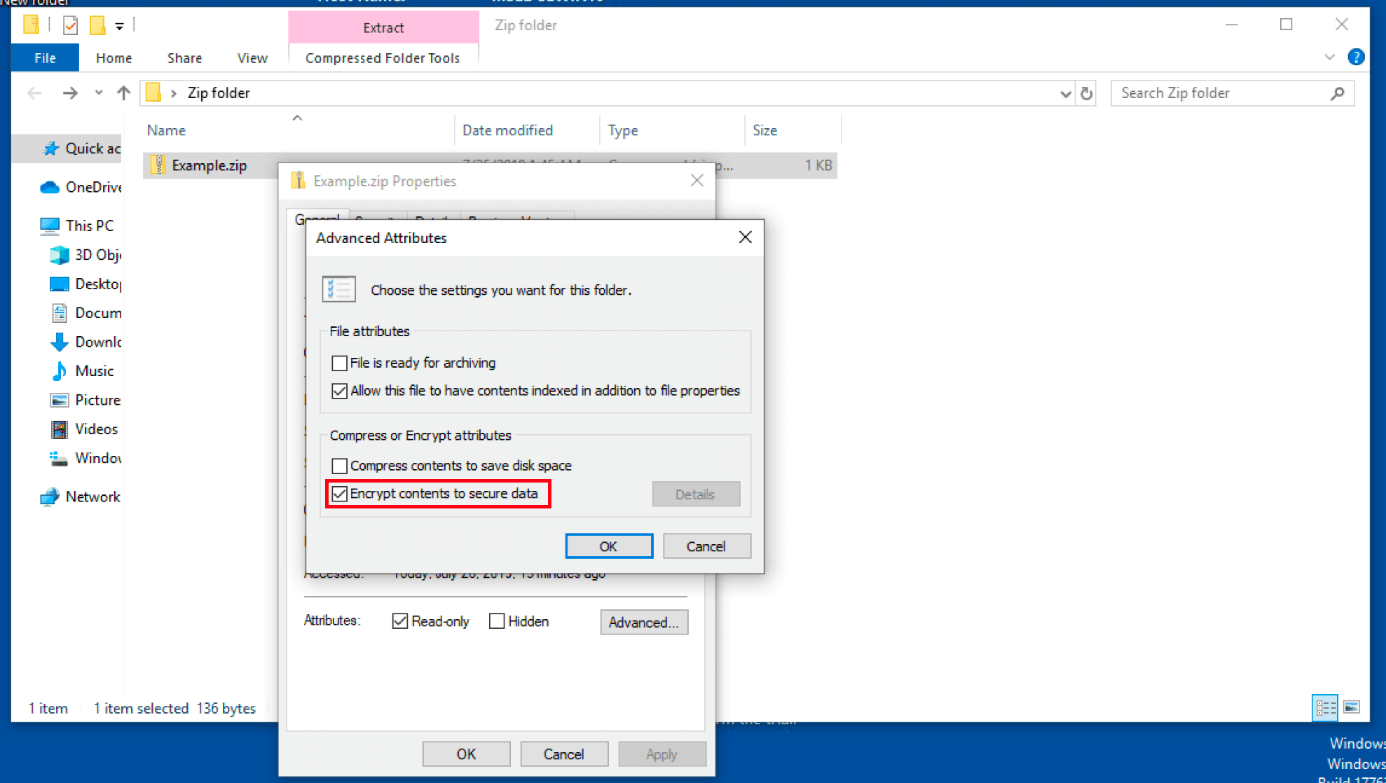
If you’re a Windows user, you can protect your files with passwords using various tools and software. Here are some options:
Veracrypt
VeraCrypt is a free, open-source encryption tool that allows you to create encrypted volumes on your Windows computer. To use VeraCrypt, follow these steps:
- Download and install VeraCrypt from the official website.
- Create a new volume by selecting “Create a volume” and choosing the desired size and file system (e.G., NTFS).
- Select the encryption algorithm and password, then click “Format.”
- Mount the encrypted volume as a drive letter on your computer.
- Access the files within the encrypted volume using the password you created.
7-Zip
Another option for protecting Windows files with passwords is 7-Zip. This popular compression tool allows you to encrypt files and folders using strong passwords. To use 7-Zip, follow these steps:
- Download and install 7-Zip from the official website.
- Select the file or folder you want to protect with a password.
- Right-click on the selected item and choose “Add to archive.”
- Choose the encryption method (e.G., AES-256) and set a strong password.
- Save the encrypted archive.
Macos: Protecting Your Files With Passwords
If you’re using a Mac, there are several options for protecting your files with passwords:
Veracrypt
VeraCrypt is also available on macOS, allowing you to create encrypted volumes on your Apple device. To use VeraCrypt on a Mac, follow these steps:
- Download and install VeraCrypt from the official website.
- Create a new volume by selecting “Create a volume” and choosing the desired size and file system (e.G., APFS).
- Select the encryption algorithm and password, then click “Format.”
- Mount the encrypted volume as a drive letter on your Mac.
- Access the files within the encrypted volume using the password you created.
Disk Utility
Another option for protecting macOS files with passwords is Disk Utility. This built-in tool allows you to create encrypted volumes and protect sensitive information. To use Disk Utility, follow these steps:
- Open Disk Utility on your Mac.
- Select “New Image” from the menu bar.
- Choose the desired size and file system (e.G., APFS) for the encrypted volume.
- Select the encryption algorithm and password, then click “Format.”
- Mount the encrypted volume as a drive letter on your Mac.
- Access the files within the encrypted volume using the password you created.
Mobile Devices: Protecting Your Files With Passwords
Protecting your files with passwords on mobile devices is also crucial in today’s digital landscape. Here are some options for Android and iOS users:
Google Files
On Android, you can use the Google Files app to protect your files with passwords. To do this, follow these steps:
- Download and install the Google Files app from the Play Store.
- Create a new folder by selecting “New Folder” and choosing the desired name.
- Add the file or folder you want to protect with a password to the new folder.
- Set a strong password for the folder, then confirm.
Private Photo Vault
On iOS, you can use the Private Photo Vault app to protect your photos and videos with passwords. To do this, follow these steps:
- Download and install the Private Photo Vault app from the App Store.
- Create a new vault by selecting “New Vault” and choosing the desired name.
- Add the photo or video you want to protect with a password to the vault.
- Set a strong password for the vault, then confirm.
Protecting Excel, Word, And Pdf Files
In addition to protecting your files with passwords on Windows, macOS, and mobile devices, you can also use various tools and software to safeguard specific file types:
Excel: Protecting Excel Files With Passwords
To protect an Excel file with a password, follow these steps:
- Open the Excel file in Microsoft Excel.
- Click “File” > “Protect Workbook.”
- Select “Encrypt with Password” and set a strong password.
Word: Protecting Word Files With Passwords
To protect a Word file with a password, follow these steps:
- Open the Word file in Microsoft Word.
- Click “File” > “Protect Document.”
- Select “Encrypt with Password” and set a strong password.
Pdf: Protecting Pdf Files With Passwords
To protect a PDF file with a password, follow these steps:
- Open the PDF file in Adobe Acrobat Pro (Windows) or Preview (macOS).
- Click “File” > “Protect.”
- Select “Encrypt with Password” and set a strong password.
Conclusion
Protecting your files with passwords is essential in today’s digital landscape. By using various tools and software, you can safeguard your sensitive information from unauthorized access on Windows, macOS, and mobile devices. Remember to always use strong passwords and take regular backups of your encrypted files.
Frequently Asked Questions (FAQs)
- What is The Best Way to Protect my Files With Passwords?
- The best way to protect your files with passwords depends on your operating system and personal preferences.
- Can I Use Veracrypt on Both Windows And Macos?
- Yes, you can use VeraCrypt on both Windows and macOS.
- How do I Protect my Excel File With a Password?
- To protect an Excel file with a password, open the file in Microsoft Excel, click “File” > “Protect Workbook,” and select “Encrypt with Password.”
- Can I Use Google Files to Protect my Files on Android?
- Yes, you can use Google Files to protect your files on Android.
- How do I Protect my Pdf File With a Password?
- To protect a PDF file with a password, open the file in Adobe Acrobat Pro (Windows) or Preview (macOS), click “File” > “Protect,” and select “Encrypt with Password.”
- What is The Difference Between Encrypting a Volume And Encrypting Individual Files?
- Encrypting a volume creates an encrypted container that holds multiple files, while encrypting individual files protects only one file at a time.
- Can I Use 7-Zip to Protect my Files on Windows?
- Yes, you can use 7-Zip to protect your files on Windows.
Hope this helps!


