
How to Conceal Your IP Address: A Guide to Vpns And Proxies
Are you tired of facing restrictions on the internet? Do you want to access websites that are blocked in your country? Look no further! In this article, we will explore the world of Virtual Private Networks (VPNs) and proxies, and show you how to conceal your IP address.
What is an IP Address?
Before we dive into the world of VPNs and proxies, let’s understand what an IP address is. An IP address is a unique numerical label assigned to each device connected to a network or the internet. It allows devices to communicate with each other and access online resources.
Why Do I Need to Conceal My IP Address?
There are several reasons why you might want to conceal your IP address:
- To access websites that are blocked in your country
- To protect your online identity and prevent tracking by governments or corporations
- To bypass restrictions on streaming services or social media platforms
What is a Vpn?
A Virtual Private Network (VPN) is a service that allows you to create a secure, encrypted connection between your device and the internet. This means that any data transmitted over this connection will be protected from interception by third parties.
How Do I Choose a Vpn Service?
With so many VPN services available, it can be difficult to choose the right one for your needs. Here are some factors to consider:
- Speed: Look for a VPN service with fast speeds and low latency
- Security: Ensure that the VPN service uses strong encryption protocols and has a good reputation for security
- Server Locations: Choose a VPN service with servers located in multiple countries, including your own
- Price: Consider the cost of the VPN service and whether it fits within your budget
What is a Proxy?
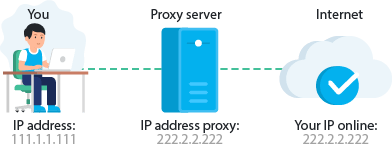
A proxy is a server that acts as an intermediary between your device and the internet. It can be used to conceal your IP address and access websites that are blocked in your country.
How Do I Choose a Proxy Service?
When choosing a proxy service, consider the following factors:
- Speed: Look for a proxy service with fast speeds and low latency
- Security: Ensure that the proxy service uses strong encryption protocols and has a good reputation for security
- Server Locations: Choose a proxy service with servers located in multiple countries, including your own
- Price: Consider the cost of the proxy service and whether it fits within your budget
Conclusion
Concealing your IP address can be an effective way to access websites that are blocked in your country or protect your online identity. By choosing a VPN or proxy service that meets your needs, you can enjoy a secure and private browsing experience.
Here are 8 FAQs after the conclusion:
- What is an IP address?
An IP address is a unique numerical label assigned to each device connected to a network or the internet. - Why do I need to conceal my IP address?
To access websites that are blocked in your country, protect your online identity and prevent tracking by governments or corporations, and bypass restrictions on streaming services or social media platforms. - What is a VPN?
A Virtual Private Network (VPN) is a service that allows you to create a secure, encrypted connection between your device and the internet. - How do I choose a VPN service?
Consider factors such as speed, security, server locations, and price when choosing a VPN service. - What is a proxy?
A proxy is a server that acts as an intermediary between your device and the internet. - How do I choose a proxy service?
Consider factors such as speed, security, server locations, and price when choosing a proxy service. - Can I use both VPNs and proxies to conceal my IP address?
Yes, you can use both VPNs and proxies to conceal your IP address, but ensure that the services you choose meet your needs for speed, security, and server locations. - Are there any free VPN and proxy services available?
Yes, there are several free VPN and proxy services available, but be aware that these services may have limitations in terms of speed, security, and server locations.


