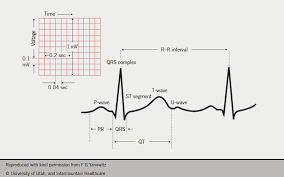
Understanding Electrocardiograms (ECGs)
As we navigate through life, it’s essential to have a grasp on our overall health, including the functioning of our heart. One crucial tool in this endeavor is the electrocardiogram, commonly referred to as an ECG or EKG. This article will delve into the world of ECGs, exploring what they are, how they’re used, and how to read them.
What is an Ecg?
An ECG is a diagnostic exam that records the electrical activity of the heart, providing insights into its rhythm and overall health. The test involves attaching electrodes to specific points on the body, typically the chest, arms, and legs. These electrodes detect the tiny electrical signals produced by the heart’s contractions, which are then recorded as a graph.
Types of Ecgs
There are several types of ECGs, each serving distinct purposes:
- Resting Ecg: This is the most common type, used to assess the heart’s health when it’s at rest. It involves attaching 12 to 15 electrodes to the body.
- Exercise (Stress) Ecg: This test measures the heart’s response to physical activity, typically involving a 10-minute walk or exercise on a treadmill.
- Holter Monitoring Ecg: Also known as a Holter ECG, this type monitors the heart’s electrical activity for 24 to 48 hours, usually for patients with irregular heartbeat.
Reading an Ecg
Interpreting an ECG requires expertise and training. A cardiologist will analyze the graphed results, looking for patterns or anomalies that may indicate various health issues. The following points provide general guidance on reading an ECG:
- Normal Rhythm: A normal ECG shows a regular heartbeat, often represented by lines labeled PQRST.
- Irregular Heartbeat: An irregular heartbeat can be indicated by lines or shapes deviating from the expected pattern.
Digital Ecg Reports
In today’s digital age, medical reports are increasingly being delivered electronically. This article explores the various ways to receive and access your ECG report, including:
- Electronic Health Record (EHR): Many healthcare providers use EHR systems to store and share patient data.
- Online Patient Portals: Some hospitals and clinics offer online portals for patients to access their medical records.
Reading a Pdf Ecg Report
If your ECG report is delivered in PDF format, you can open it using any PDF reader application. Most modern operating systems come with built-in PDF readers.
Reading an Apple Watch Ecg
The Apple Watch has a built-in electrocardiogram feature that allows users to take measurements similar to those taken during an ECG test. To read your Apple Watch ECG:
- Open The Health App: On your iPhone, open the Health app and navigate to the “Electrocardiograms” section.
- View Your Recordings: Select a recording to view the ECG graph.
- Interpret The Results: The app will display an interpretation of the results, including any irregularities or concerns.
Conclusion
Understanding your electrocardiogram report can help you take control of your heart health. While this article provides general information and guidance, it’s essential to consult a medical professional for accurate interpretations and advice.
Frequently Asked Questions (FAQs)
- Q: What is an Ecg?
A: An ECG, or electrocardiogram, is a diagnostic test that records the electrical activity of the heart. - Q: How Long Does an Ecg Take?
A: The length of time for an ECG varies depending on the type. Typically, it takes around 10 minutes to complete an exercise (stress) ECG and up to 48 hours for a Holter monitoring ECG. - Q: Can I Read my Own Ecg Report?
A: While you can view your ECG report, it’s essential to have a medical professional interpret the results accurately. Self-interpretation may lead to incorrect conclusions. - Q: What if my Apple Watch Detects an Irregular Heartbeat?
A: If your Apple Watch detects an irregular heartbeat or other concerns, consult with a healthcare professional for proper evaluation and advice. - Q: Can I Get a Copy of my Ecg Report in Paper Form?
A: According to current regulations, patients have the right to request a printed copy of their medical records, including ECG reports.
This article aims to provide a comprehensive overview of electrocardiograms and how to read them. Always consult with a healthcare professional for accurate interpretations and personalized advice.