
Investing in the stock market can feel like riding a roller coaster—exhilarating but filled with unexpected twists and turns. As seasoned investors know, market volatility is an inevitable part of the process, and learning how to safeguard your investment portfolio during these tumultuous times is crucial. In this article, we will explore actionable strategies, insights, and tips to help you navigate through periods of uncertainty while aiming to protect and even grow your investments.
Understanding Market Volatility
Before we dive into safeguarding strategies, it’s essential to understand what market volatility really means. Market volatility refers to the fluctuations in the price of securities, including stocks and bonds, within a set period. High volatility indicates that prices are experiencing wide swings, either up or down. This can be triggered by various factors—economic indicators, global events, interest rate changes, or earning reports—creating an unpredictable investment environment.
While volatility can seem daunting, remember it also presents opportunities for savvy investors. Here, we outline various tactics to help manage risks during times of uncertainty.
1. Diversification: Your Best Defense
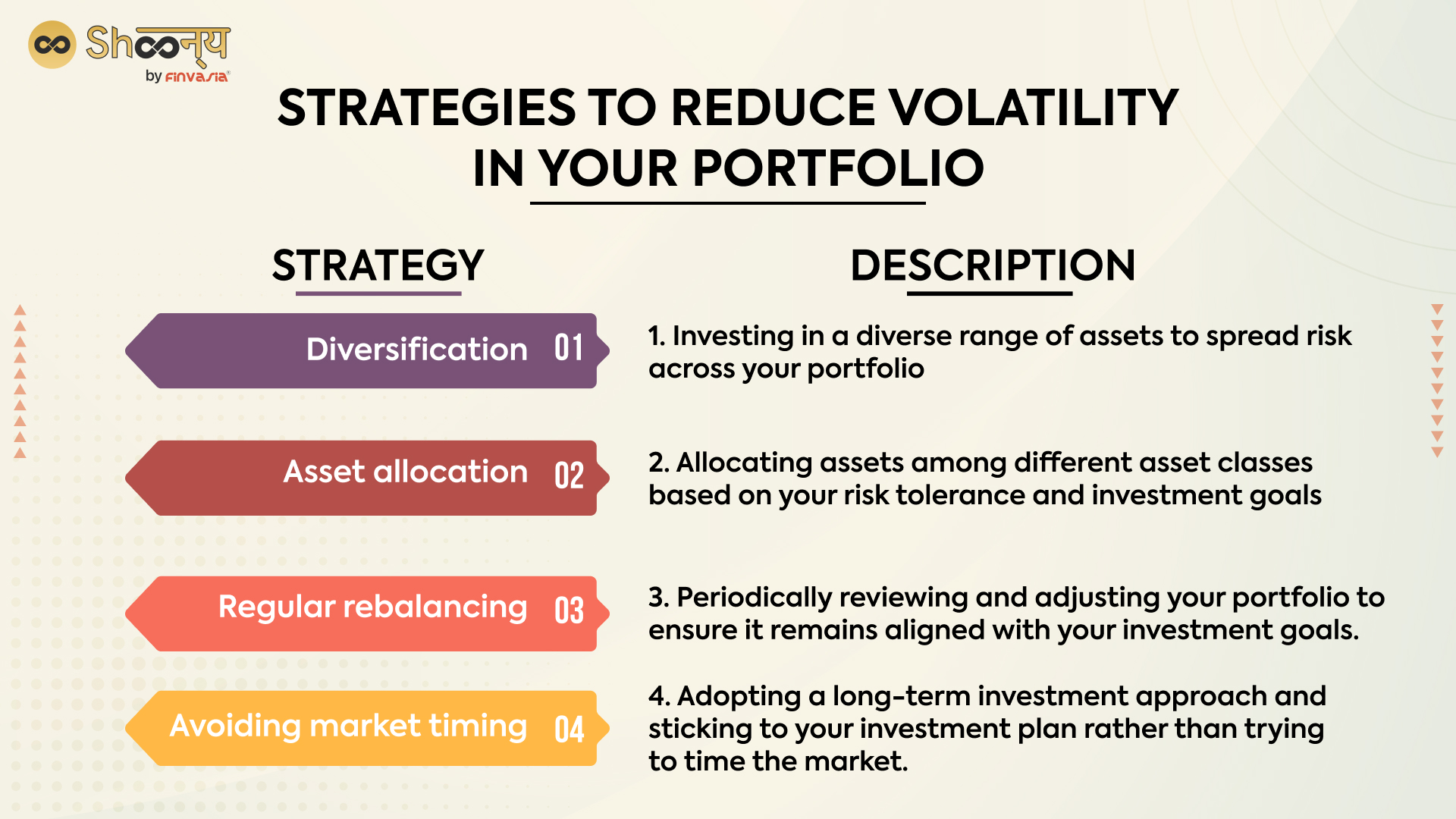
One of the most critical strategies for safeguarding your investment portfolio is diversification. This means spreading your investments across different asset classes, industries, and geographic locations. Instead of putting all your eggs in one basket (which can be quite risky), diversification allows you to balance your portfolio and reduce the impact of any single investment’s poor performance.
How to Diversify:
-
Asset Allocation: Allocate investments among stocks, bonds, mutual funds, real estate, and alternative assets based on your risk tolerance and investment goals.
-
Sector Exposure: Invest in a variety of sectors such as technology, healthcare, consumer goods, and energy. When one sector struggles, another may flourish.
-
Geographic Diversity: Consider international investments as well. Economic conditions differ worldwide; what hurts one market might benefit another.
2. Maintain an Emergency Fund
In times of market volatility, having an emergency fund isn’t just a good practice; it’s a necessity. An emergency fund acts as a financial buffer to ensure you don’t have to sell investments in a down market to cover unexpected expenses like medical emergencies or job loss.
How to Build Your Emergency Fund:
-
Set a Target: Aim for three to six months’ worth of living expenses in a highly liquid account.
-
Automate Savings: Set up automated transfers to your emergency fund on payday, ensuring it grows consistently without you having to think about it.
3. Rebalance Your Portfolio Regularly
Market volatility will naturally affect the allocation of your investment portfolio. Regularly rebalancing your stock and bond allocations ensures that you remain aligned with your risk tolerance.
Why Rebalance?
-
Maintain Target Allocations: Over time, certain investments may become a larger portion of your portfolio if they perform well. Selling some of these investments allows you to keep your target percentages.
-
Buy Low, Sell High: Rebalancing creates opportunities to buy undervalued assets and sell overvalued ones, keeping your investment strategy sensible despite market movements.
4. Stay Informed but Avoid Overreacting
It’s easy to be overwhelmed by the constant barrage of financial news and social media updates during tumultuous times. While staying informed can help you make better decisions, it’s essential to avoid knee-jerk reactions based on emotions or fear.
Tips to Stay Disciplined:
-
Limit News Consumption: Set time limits for how much financial news you consume daily.
-
Focus on Facts: Ground your investment decisions in solid research and analysis rather than fleeting headlines or panic-selling trends.
5. Invest in Defensive Stocks
During times of market instability, consider reallocating some funds into defensive stocks. These are shares in companies that provide essential services or products that remain stable regardless of economic cycles, such as utilities, consumer staples, and healthcare.

- Overcome negative thought patterns, reduce stress, and live a worry-free life
- Overthinking is the biggest cause of unhappiness
- Don't get stuck in a never-ending thought loop
- Stay present and keep your mind off things that don't matter, and never will
- Break free of your self-imposed mental prison
Why Defensive Stocks:
-
Stable Earnings: These companies generally maintain steady revenues regardless of economic conditions, making them more resilient during downturns.
-
Dividends: Many defensive stocks offer attractive dividends, providing income even when stock prices fall.
6. Consider Fixed-Income Investments
Adding fixed-income investments like bonds to your portfolio can mitigate risk during volatile periods. These can offer steady interest payments and may move independently of stock fluctuations, providing a cushion.
Types of Fixed-Income Investments:
-
Government Bonds: Generally considered low-risk, these can provide a reliable income stream.
-
Corporate Bonds: Higher yields often characterizes these, but the risk varies by company stability.
7. Utilize Stop-Loss Orders
A stop-loss order is an effective tool for managing risk, allowing you to set automatic sell orders at a specific price. This can help protect you from significant losses during sudden downturns.
How to Use Stop-Loss Orders:
-
Decide on Percentage: Determine the percentage loss in which you would prefer to sell your stock to minimize losses.
-
Monitor Your Investments: While stop-loss orders are automated, keep an eye on market conditions; there may be instances where sticking to your stop-loss isn’t the best option.
8. Seek Professional Guidance
If managing your investment portfolio seems overwhelming or if you are unsure about keeping your strategy on track through market ups and downs, it may be time to enlist professional financial advisors or investment managers.
Benefits of Professional Guidance:
-
Expert Analysis: Professionals have access to robust market analysis tools and strategies you may not.
-
Tailored Strategies: An advisor can create personalized investment plans based on your goals, helping you navigate uncertain waters more effectively.
9. Stay Focused on Long-Term Goals
Market volatility is often temporary, so it’s crucial to maintain a long-term perspective. If you have a solid investment strategy aligned with your financial goals, stay committed to it even when the market experiences short-term fluctuations.
Ways to Keep Focused:
-
Review Goals Regularly: Monitor your investment objectives to ensure they still fit your current situation.
-
Avoid Emotional Changes: Decisions made during emotional highs or lows often lead to mistakes; consider your long-term plan before acting.
10. Other Strategies to Consider
Here are a few additional strategies to consider that can help mitigate risks during volatile times:
-
Dollar-Cost Averaging: Regularly investing a fixed amount may help reduce the impact of volatility by buying more shares when prices are low and fewer when they are high.
-
Hedging Techniques: Advanced investors may want to explore hedging strategies utilizing options or futures contracts to offset potential losses.
Conclusion
The journey of investing is riddled with uncertainties, but equipping yourself with effective strategies can enhance your resilience against market volatility. From diversification and regular rebalancing to professional guidance and a focus on long-term goals, numerous ways exist to safeguard your investment portfolio and potentially capitalize on fluctuating market conditions.
As you navigate the complexities of the investment world, remember: peace of mind comes from being prepared and informed. So buckle up, stay the course, and you’ll be better positioned to weather the financial storms that life throws your way.
This article caters to both novice and seasoned investors, embedding practical advice while encouraging a focus on sound investing principles. If you want to explore any specific area or require a different focus, let me know!


