
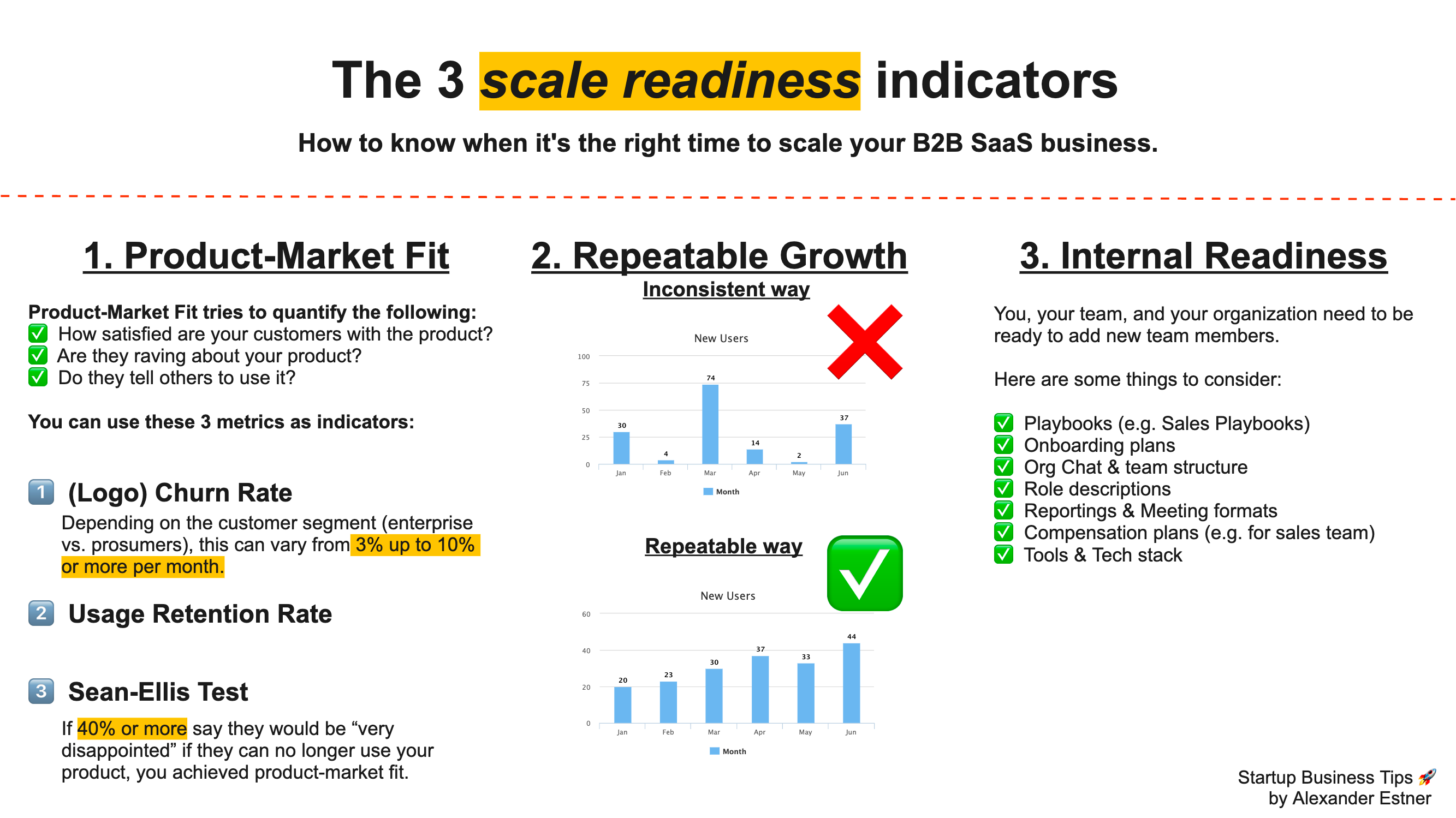
In the fast-paced world of technology, Software as a Service (SaaS) has emerged as a powerful business model that enables companies to deliver software solutions directly to consumers through the cloud. This scalability, flexibility, and subscription-based revenue model make SaaS an attractive opening for startups and established companies alike. The question remains: How to scale SaaS product offerings over time in a business plan? In this article, we’ll explore strategic methods, core considerations, and actionable insights that will help position your SaaS business for sustainable success.
Understanding the SaaS Landscape
Before diving into scaling strategies, it’s essential to understand the unique characteristics of the SaaS landscape. Unlike traditional software products that require upfront purchases and installations, SaaS offers a subscription model that typically includes monthly or annual payments. This model not only provides a consistent revenue stream but also fosters ongoing customer relationships through updates, support, and service improvements.
Key Characteristics of SaaS:
- Subscription-Based Billing: Recurring revenue is a significant advantage, allowing for predictable cash flows.
- Cloud-Based Accessibility: Users can access software from anywhere with an internet connection, enhancing user experience.
- Scalability: Vendors can scale their offerings quickly without the need for extensive hardware investments.
- Frequent Updates: SaaS products can be enhanced continually, allowing for rapid iteration based on user feedback.
Understanding these characteristics sets the foundation for formulating a successful scaling strategy.
The Importance of a Comprehensive Business Plan
A solid business plan is crucial for scaling SaaS offerings effectively. It serves as a roadmap, detailing your vision, objectives, target audience, and financial projections. This planning document should also encompass marketing strategies, potential challenges, and growth metrics.
Elements of a Strong SaaS Business Plan:
- Executive Summary: A brief overview of your business, value proposition, and market opportunity.
- Market Analysis: In-depth research on industry trends, target demographics, and competitors.
- Revenue Model: Description of pricing strategies, subscription tiers, and customer acquisition costs.
- Marketing Strategy: A plan to reach your audience, build brand awareness, and convert leads into customers.
- Operational Plan: Details on infrastructure, technology stack, staffing, and customer support.
Having a comprehensive business plan in place ensures that all stakeholders are aligned and helps track progress as you scale.
Strategies for Scaling Your SaaS Product Offerings
Now that you understand the importance of a business plan, let’s delve into specific strategies for scaling your SaaS product offerings over time. Here are several methodologies to consider:
1. Focus on Customer Feedback
The beauty of SaaS lies in its ability to interact directly with users. Encouraging customer feedback, whether through reviews, surveys, or user testing, is essential in understanding what features resonate with your audience. High user satisfaction typically translates to customer loyalty, reducing churn rates.
2. Enhance Your Feature Set
As your business grows, assessing your product’s feature set becomes crucial. Conduct regular evaluations of which features are most valuable to your customers and consider developing new ones based on customer needs and competitive analysis. Continuous enhancement not only attracts new users but can also incentivize existing customers to upgrade their subscriptions.
3. Adopt a Strong Marketing Strategy
Developing a targeted digital marketing plan can significantly boost your visibility in the marketplace. Consider leveraging content marketing strategies, social media campaigns, SEO practices, and online advertising to establish your brand. Create valuable content that resonates with your audience, establishing your company as a thought leader in your niche, which can lead to increased sign-ups and customer engagement.
4. Diversify Pricing Models
Flexibility in pricing is vital for accommodating different customer segments. Consider offering tiered subscription plans, which allow users to choose features they want based on their budget and needs. Experimenting with models like freemium or usage-based pricing can further aid in attracting a broader audience.
5. Invest in Customer Success Management
Invest in a customer success team dedicated to ensuring users derive maximum value from your product. This can include onboarding, training sessions, and proactive support that not only enhances customer satisfaction but also drives renewals and upsells.

- Overcome negative thought patterns, reduce stress, and live a worry-free life
- Overthinking is the biggest cause of unhappiness
- Don't get stuck in a never-ending thought loop
- Stay present and keep your mind off things that don't matter, and never will
- Break free of your self-imposed mental prison
6. Leverage Data Analytics
Utilize data analytics to gather insights on user behavior within your app. Monitoring metrics such as churn rates, customer acquisition costs, and revenue growth helps you make informed decisions. Consider implementing advanced analytics tools or dashboards to track key performance indicators (KPIs) that align with your growth objectives.
7. Utilize a Scalable Infrastructure
As you scale your operations, ensure that your technological infrastructure can handle increased demand. Opt for cloud service providers (like AWS, Google Cloud, or Azure) that provide flexibility and scalability as your user base expands. A strong, resilient architecture ensures high availability and performance.
8. Explore Partnership Opportunities
Forming strategic partnerships can help widen your customer base and enhance your product offering. Look for complementary businesses that share your target audience but are not direct competitors. Collaborative efforts can lead to co-marketing opportunities, integrated solutions, or API collaborations.
9. Attend Industry Events and Conferences
Networking is an invaluable aspect of scaling your business. Attend industry events, meet-ups, and technology conferences to connect with potential customers, partners, and industry experts. Such encounters can lead to collaborations, valuable insights, and new market opportunities.
10. Continuous Learning and Adaptation
The tech industry is rapidly changing, demanding continuous learning and adaptation. Stay updated on industry trends, emerging technologies, and customer expectations. Knowing when to pivot your strategy or embrace new technologies is critical for long-term success.
Measuring Success During Scaling
As you implement these strategies, it’s essential to measure your success through defined KPIs. Common metrics to monitor include:
- Monthly Recurring Revenue (MRR): Track the predictability of your revenue stream.
- Customer Churn Rate: Understand how many customers leave and increase retention strategies accordingly.
- Customer Acquisition Cost (CAC): Assess how much you spend to attract a new customer versus their lifetime value (LTV).
- Net Promoter Score (NPS): Gauge customer satisfaction and loyalty by measuring willingness to recommend your product.
Measuring these metrics will allow you to iterate on your strategies intelligently, adjust your approach based on real-time data, and ultimately drive further growth.
Case Studies of Successful Scaling
To better understand how these strategies can be applied, let’s look at a couple of successful SaaS companies that have effectively scaled their offerings over time.
Case Study 1: Slack
Slack started as an internal tool for a gaming company and received positive feedback from its users. By focusing on user experience and continuously enhancing its feature set, Slack became a widely adopted communication platform for businesses. Their freemium model allowed users to sign up and explore the product without commitment, leading to increased user acquisition. They emphasize customer success with extensive tutorials and support, which has contributed to its high level of customer satisfaction.
Case Study 2: HubSpot
HubSpot is a pioneer in inbound marketing software. It began by offering free resources, tutorials, and a freemium model to draw traffic and build an audience. As the platform expanded, HubSpot introduced paid tiers that catered to diverse business sizes and budgets. They continually adapt their offerings based on data analytics and customer feedback, ensuring alignment with user needs and industry trends.
Conclusion
Scaling your SaaS product offerings over time is an achievable goal—provided you have a well-structured business plan, a thorough understanding of customer needs, and a robust strategy for continued growth. Focus on building strong user relationships, enhance your product continually, leverage marketing strategies, and remain adaptable to industry changes.
In a competitive landscape, staying ahead of the curve means learning from successes and failures alike while listening closely to customer feedback. With persistence, innovation, and strategic execution, your SaaS business can not only scale but thrive, making a lasting impact in the ever-evolving tech landscape.


