
Starting a business is an exhilarating journey filled with passion, creativity, and, inevitably, challenges. For many startups, securing Series A funding is a significant milestone — but what happens next? How do you scale beyond this critical point? In this article, we’ll explore essential strategies and insights for scaling your startup after Series A funding, ensuring your company not only survives but thrives in today’s competitive landscape.
Understanding Series A Funding
Before we dive into the strategies for scaling your startup, let’s clarify what Series A funding entails. Typically, Series A funding is the first significant round of venture capital your startup undertakes after seed funding. This round generally aims to optimize your product, grow your team, and establish a solid market presence. Investors are looking for startups with a sound business model, a validated product-market fit, and compelling growth potential.
Once you have successfully raised this initial round of funding, the question becomes: how can you leverage this capital effectively?
Building a Strong Team
Hire the Right Talent
Scaling your startup begins with having the right team in place. As you grow, it’s crucial to hire individuals who not only bring the necessary skills but also align with your company’s culture and vision. Startups often thrive on innovation, collaboration, and agility. Be on the lookout for team members who are adaptable and driven, capable of navigating the unpredictability of startup life.
Develop Leadership Capabilities
As your startup grows, so do your leadership needs. Promote from within wherever possible, and invest in leadership training for your managers. Strong leaders will help foster a collaborative environment and inspire your team, making a real difference in your company’s productivity and morale.
Prioritizing Customer Acquisition and Retention
Understand Your Target Audience
Scaling isn’t just about growing revenue; it’s about creating a loyal customer base. Focus on understanding who your ideal customers are and what they truly need. Conduct market research, engage with your users, and gather feedback. This insight will guide your marketing strategies and product development.
Create a Robust Marketing Strategy
With a clear understanding of your audience, you can begin to implement comprehensive marketing strategies. Utilize digital marketing techniques like SEO, content marketing, and social media advertising. Consider email marketing campaigns as well; they can drive retention and stimulate additional sales from existing customers.
Focus on Customer Experience
Retaining customers is just as vital as acquiring new ones. Ensure you provide top-notch service and support. Happy customers often lead to referrals, which can drastically reduce your acquisition costs. Monitor your customer experience through surveys and feedback mechanisms that help identify areas for improvement.
Scaling Your Operations
Standardize Processes
When your startup is small, flexibility is easy. However, as you grow, you need to create standardized processes that streamline operations. Document procedures across departments and invest in project management tools that allow your team to collaborate efficiently. Clear processes not only enhance productivity but also ensure consistency in quality.
Invest in Technology
The right technology can dramatically aid scalability. Consider investing in automation tools to handle repetitive tasks. Customer Relationship Management (CRM) systems, Project Management Software, and Customer Service platforms can significantly enhance your efficiency and better serve your clientele.
Expanding Your Market Reach
Explore New Markets
Once you’ve established a stronghold in your initial market, consider exploring new demographics or geographical areas. International expansion can be a thrilling opportunity, but it requires thorough research and a strategic approach. Understanding local cultures, regulations, and market needs is paramount for success.

- Overcome negative thought patterns, reduce stress, and live a worry-free life
- Overthinking is the biggest cause of unhappiness
- Don't get stuck in a never-ending thought loop
- Stay present and keep your mind off things that don't matter, and never will
- Break free of your self-imposed mental prison
Diversify Product Offerings
Scalability often goes hand-in-hand with product diversification. If your startup has successfully penetrated a niche with a specific product, think about how you can branch out. Introduce complementary products or services that meet the needs of your existing customers, thus creating new revenue streams.
Securing Additional Funding
Consider Series B and Beyond
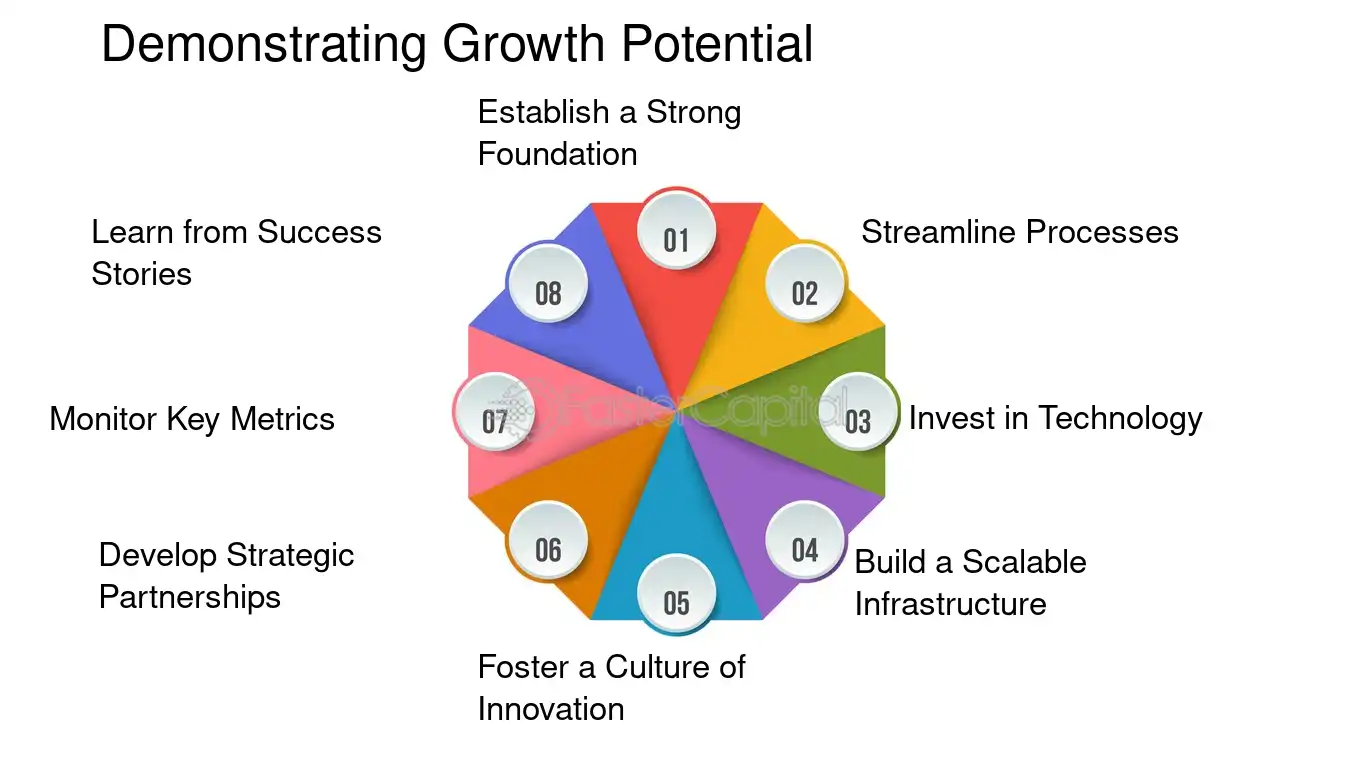
While Series A funding is critical, scaling often requires additional capital. Prepare for future funding rounds, such as Series B, by showcasing strong metrics, demonstrating growth potential, and building relationships with potential investors.
Bootstrap When Possible
While seeking external funding is a common approach, many successful startups also explore bootstrapping to maintain control and minimize dilution. Lean on revenue from customers to fund growth instead of relying solely on investors. This method instills discipline and encourages efficient resource allocation.
Leveraging Metrics and Data
Track Key Performance Indicators (KPIs)
As your startup scales, relying on data becomes ever more important. Define and monitor KPIs that align with your growth objectives. From customer acquisition costs (CAC) to customer lifetime value (CLV), understanding these metrics will provide insights into how effectively you are scaling.
Use Analytics for Decision-Making
Invest in analytics tools that provide real-time insights into your operations. Data-driven decision-making will allow you to pivot quickly if something isn’t working. This flexibility can be your competitive advantage in the fast-paced startup ecosystem.
Networking and Partnerships
Build a Strong Network
Networking can open doors to opportunities that might otherwise remain closed. Attend industry events, join startup incubators, or engage in online entrepreneur communities. These connections can provide not only support but potential collaboration opportunities with other businesses, investors, or mentors.
Form Strategic Partnerships
Strategic partnerships can be a powerful way to scale without significant additional investment. Look for businesses that complement your offerings; mutual referrals and bundled services can help both entities grow. Additionally, partnerships can provide insights, resources, or even new customer bases.
Adapting to Market Changes
Stay Agile
The ability to pivot is crucial for any startup. The market landscape can change rapidly, influenced by economic factors, technological advancements, and competitor actions. Be prepared to reassess your strategies in response to external pressures.
Innovate Continuously
Innovation should always remain a priority. Keep customer feedback channels open and incorporate suggestions into your product or service improvements. Staying ahead of trends and adapting your offerings accordingly will help you maintain your competitive edge.
Conclusion
Scaling your startup beyond Series A funding is an exhilarating yet challenging endeavor. It requires a multifaceted approach, harnessing the strengths of your team, understanding your customers, and leveraging technology and partnerships. By adhering to these strategies, you can set the foundation for sustainable growth and take your startup to the next level.
Final Thoughts
Whether you’re a budding entrepreneur or a seasoned founder, remember that every journey is unique. Embrace your startup’s idiosyncrasies while maintaining diligence and tenacity. The road ahead may be fraught with challenges, but with the right strategies, you can scale your startup successfully and achieve your vision.
As you embark on this exciting phase, armed with the insights shared here, prepare for the next chapter in your entrepreneurial adventure. Have a plan, stay adaptable, and most importantly, keep your passion alive. You’ve got this!


