
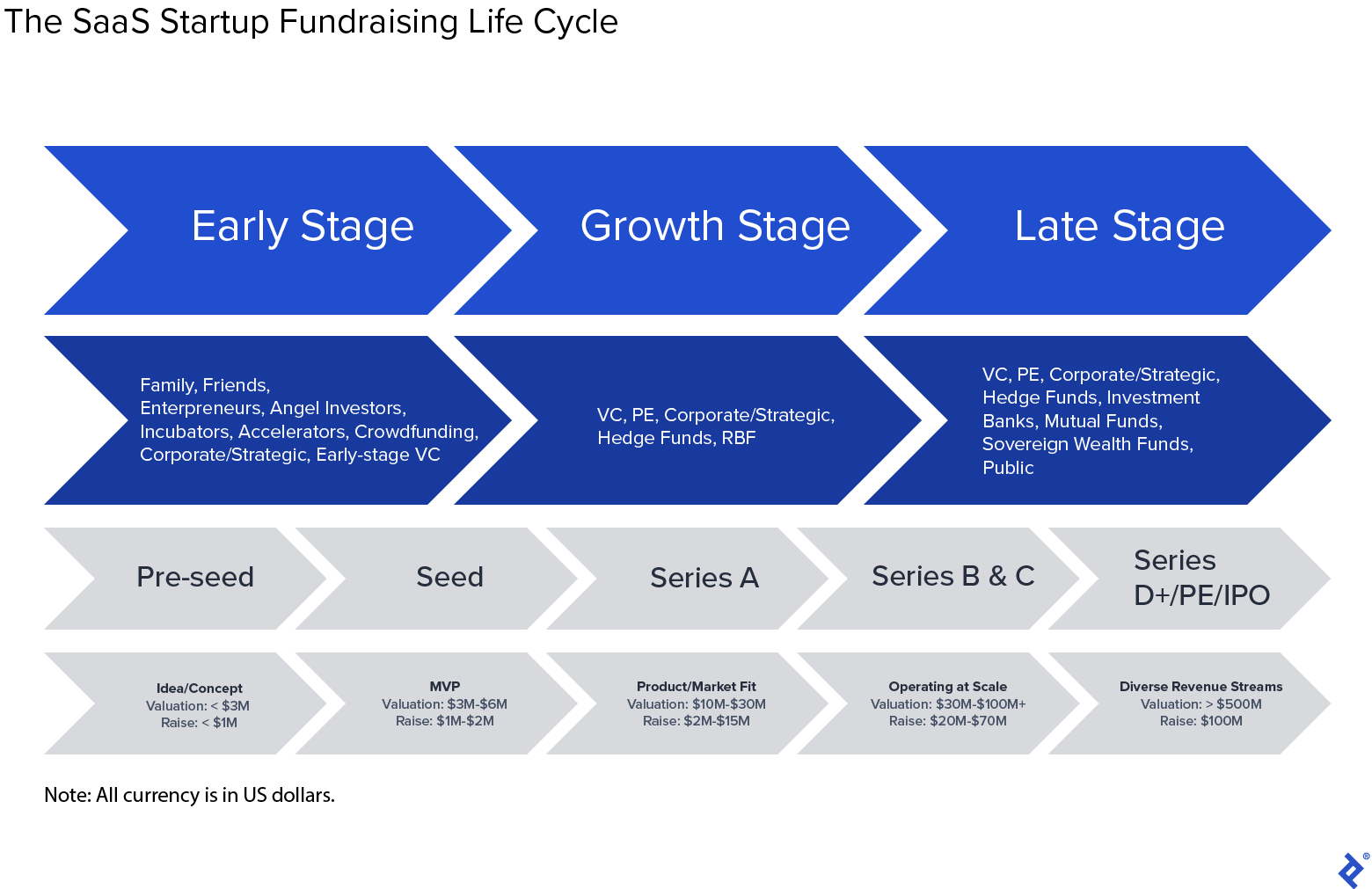
In the fast-paced world of technology and entrepreneurship, Software as a Service (SaaS) has emerged as a dynamic business model. For startups looking to attract investors, having a solid SaaS business plan is crucial. The intricacies of the tech ecosystem can sometimes feel overwhelming, but with a well-structured plan, you can effectively communicate your vision, goals, and the unique value your SaaS offers. In this article, we will explore ten essential strategies that will not only help you create a winning business plan but also secure funding for your startup.
1. Understand the SaaS Market Landscape
Before diving into drafting your business plan, it’s essential to have a thorough understanding of the SaaS market landscape. Recognize your competition, the target audience, and industry trends. Conduct thorough market research to identify gaps that your service can fill. Investors want to see that you’re aware of the competitive landscape and that there’s a real demand for your solution.
Action Point: Compile a detailed market analysis that includes competitor strengths and weaknesses, customer personas, and trends affecting your industry.
2. Craft a Unique Value Proposition
A well-defined unique value proposition (UVP) differentiates your startup from competitors. This clarity helps investors see why your solution is necessary. Clearly articulate what problem your SaaS addresses and how it improves users’ lives or business operations. Highlight the benefits and features that make your offering superior.
Action Point: Create a one-sentence summary of your UVP and use it as a cornerstone of your business plan. Your UVP should be located at the beginning of your document to capture the interest of potential investors.
3. Develop a Comprehensive Business Model
Investors appreciate clarity and detail in your business model. Describe how you plan to achieve revenue, be it through subscriptions, tiered pricing, freemium models, or pay-as-you-go options. Include projections for sales growth and customer acquisition rates. This demonstrates that you have a clear path toward sustainable profitability.
Action Point: Utilize SaaS-specific financial metrics like Customer Acquisition Cost (CAC) and Customer Lifetime Value (CLV) in your business model. Investors often look for startups with a strong understanding of these metrics.
4. Detail Your Go-to-Market Strategy
A compelling go-to-market (GTM) strategy outlines how you will attract customers and generate revenue. This may include marketing strategies, sales approaches, partnerships, and pricing strategies. Make sure to highlight any innovative or proven tactics.
Action Point: Break down your GTM strategy into phases, from pre-launch activities, to initial customer acquisition, and eventual scaling. Include timelines and projected metrics at each phase.
5. Highlight Your Team’s Experience
A strong team gives investors confidence in execution. Highlight the relevant experience and skills of your founding team. Include any notable achievements, past startups, or industry expertise. If possible, showcase any advisory board members who bring additional credibility and networking opportunities.
Action Point: Consider creating individual bios for key team members, emphasizing their backgrounds and successes in the SaaS industry.

- Overcome negative thought patterns, reduce stress, and live a worry-free life
- Overthinking is the biggest cause of unhappiness
- Don't get stuck in a never-ending thought loop
- Stay present and keep your mind off things that don't matter, and never will
- Break free of your self-imposed mental prison
6. Provide Financial Projections and Needs
While investors look for ambitious plans, they also want realistic financial projections. Include revenue forecasts for at least three to five years, with assumptions clearly outlined. Discuss your funding needs, including how much you require and how it will be allocated (e.g., product development, marketing, hiring).
Action Point: Use charts and graphs to visually represent your financial projections. This adds clarity and can capture the reader’s attention more effectively than text alone.
7. Highlight the Scalability of Your SaaS
Scalability is one of the main advantages of SaaS businesses. Show how your service can grow without a corresponding increase in costs. Discuss how your architecture, customer service, and operational procedures can accommodate growth.
Action Point: Illustrate your product’s scalability with examples, such as cloud infrastructure, automated onboarding processes, or customer support systems.
8. Illustrate Your Roadmap and Milestones
Investors want to see your vision for the future and how you plan to get there. Create a timeline that outlines major milestones in product development, marketing initiatives, customer acquisition, and additional funding rounds. A roadmap illustrates how you’ll use investor money effectively to achieve these goals.
Action Point: Use a Gantt chart or timeline format to visually present your roadmap, making it easy for investors to grasp your long-term vision quickly.
9. Prepare for Investor Questions
Anticipating the questions investors may ask can help you refine your business plan and presentations. Common inquiries include competitive advantages, exit strategies, and contingency plans. Prepare thoughtful, concise answers that reflect your understanding of the market and your business fundamentals.
Action Point: Conduct mock presentations to practice addressing these questions. This will help you become more comfortable discussing your plan and giving transparency to potential investors.
10. Leverage Networking and Pitching Opportunities
Even the best-crafted business plan may falter without effective networking and pitching. Attend industry events, startup conventions, and seminars to connect with potential investors and mentors. Use these opportunities to pitch your SaaS startup and gather feedback on your business plan.
Action Point: Create an elevator pitch that succinctly describes your SaaS service in less than 30 seconds. Be prepared to deliver it confidently to anyone you meet.
Conclusion
Securing funding for your SaaS startup requires a multifaceted approach. By crafting a comprehensive business plan and understanding the market, building a strong team, and effectively communicating your vision, you can attract investors who resonate with your mission. Remember that every interaction is an opportunity to build relationships and strengthen your case for funding.
Lastly, don’t underestimate the power of storytelling. Investors want to connect with the entrepreneurs behind the numbers. Share your passion, your motivation, and your journey as you navigate the exciting world of SaaS. With the right preparation, you’ll be well on your way to turning your startup dream into a thriving reality.


