
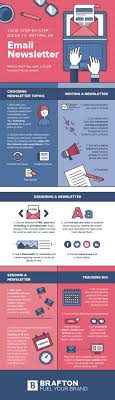
How to Create a Successful Newsletter: A Step-by-step Guide
Are you ready to take your online presence to the next level? Do you want to engage with your audience, build trust, and drive sales? Then it’s time to create a successful newsletter!
In this comprehensive guide, we’ll show you how to create a newsletter that resonates with your target audience. We’ll cover the best practices, tools, and strategies to help you get started.
Why Create a Newsletter?
A newsletter is an excellent way to:
- Build trust and credibility with your audience
- Drive sales and increase conversions
- Engage with your audience and build a community
- Share valuable content and expertise
- Stay top of mind with your target audience
Choosing The Right Platform
With so many options available, choosing the right platform can be overwhelming. Here are some popular choices:
- Mailup: A powerful platform that offers a free plan, unlimited email sending, and advanced features.
- Mailchimp: A user-friendly platform that offers a free plan, automation features, and integrations with other tools.
- Mad Mimi: A simple yet effective platform that offers a free plan, easy-to-use interface, and integration with other tools.
Setting Up Your Newsletter
Once you’ve chosen your platform, it’s time to set up your newsletter. Here are the steps:
- Create an Account: Sign up for your chosen platform and create an account.
- Choose a Template: Select a pre-designed template that matches your brand and style.
- Add Content: Add text, images, and other media to make your newsletter engaging and informative.
- Personalize Your Newsletter: Use segmentation, automation, and personalization features to tailor your newsletter to specific groups.
Sending Your Newsletter
Now it’s time to send your newsletter to your target audience. Here are the steps:
- Segment Your List: Divide your email list into segments based on demographics, behavior, or preferences.
- Choose a Sending Schedule: Decide when and how often you’ll send your newsletter to keep your audience engaged.
- Test And Refine: Test your newsletter and refine it based on performance data.
Best Practices
Here are some best practices to keep in mind:
- Optimize For Mobile: Ensure that your newsletter is optimized for mobile devices.
- Use Clear And Concise Language: Write engaging headlines, summaries, and calls-to-action.
- Personalize Content: Use segmentation and automation features to personalize your content.
- Keep it Concise: Keep your newsletter brief and to the point.
Conclusion
Creating a successful newsletter takes time, effort, and strategy. By following these steps, choosing the right platform, and implementing best practices, you can create a newsletter that resonates with your target audience and drives sales.
Faqs
- What is The Best Platform For Creating a Newsletter?
- MailUp, MailChimp, and Mad Mimi are popular choices.
- How Often Should I Send my Newsletter?
- Send your newsletter regularly to keep your audience engaged, but avoid overwhelming them with too many emails.
- How do I Personalize my Newsletter?
- Use segmentation, automation, and personalization features to tailor your content to specific groups.
- What is The Best Way to Segment my Email List?
- Segment based on demographics, behavior, or preferences to create targeted groups.
- How Can I Optimize my Newsletter For Mobile Devices?
- Ensure that your newsletter is optimized for mobile by using a responsive design and clear formatting.
- What Are Some Best Practices For Creating a Successful Newsletter?
- Use clear and concise language, personalize content, keep it concise, and use segmentation and automation features.
Additional Resources
For more information on creating a successful newsletter, check out these additional resources:
- Mailup: Official guide to creating a newsletter with MailUp.
- Mailchimp: Guide to creating a newsletter with MailChimp.
- Mad Mimi: Guide to creating a newsletter with Mad Mimi.
By following this comprehensive guide and implementing the best practices outlined, you can create a successful newsletter that drives sales, engages your audience, and builds trust and credibility.


