How to Write a Formal Letter
Are you struggling to write a formal letter? Don’t worry, you’re not alone! Writing a formal letter can be intimidating, but with the right guidance, you’ll be able to craft a well-written and professional letter in no time.
In this article, we’ll show you how to write a formal letter using Microsoft Word. We’ll also provide tips on how to structure your letter, including the introduction, body, and conclusion.
Understanding Formal Letters
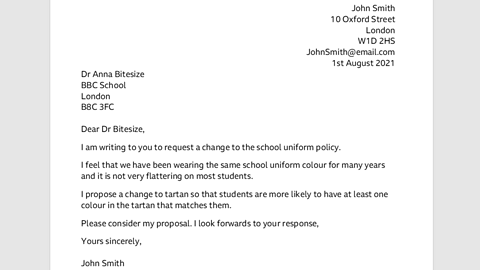
A formal letter is a written communication that follows a specific format and tone. It’s used for business or professional purposes, such as applying for a job, making a complaint, or requesting information.
To write a formal letter, you need to follow certain rules, including:
- Using a formal greeting
- Writing in the third person (e.G., “Dear Sir/Madam”)
- Including your name and address at the top of the page
- Using a formal closing (e.G., “Yours sincerely”)
- Signing your name
Step-by-step Guide to Writing a Formal Letter
Here’s a step-by-step guide to writing a formal letter using Microsoft Word:
- Open Microsoft Word: Open Microsoft Word on your computer and click on the “New” button.
- Choose a Template: Select a template for a formal letter from the list of available templates.
- Write Your Header: Write your name and address at the top of the page, followed by the date.
- Write Your Greeting: Write a formal greeting, such as “Dear Sir/Madam” or “To Whom It May Concern.”
- Write Your Body: Write the body of your letter, including any relevant details or information.
- Write Your Closing: Write a formal closing, such as “Yours sincerely” or “Sincerely yours.”
- Sign Your Name: Sign your name at the bottom of the page.
Tips For Writing a Formal Letter
Here are some tips to keep in mind when writing a formal letter:
- Use a formal tone and language
- Be concise and to the point
- Use proper grammar and spelling
- Use a formal greeting and closing
- Include your name and address at the top of the page
Common Types of Formal Letters
Here are some common types of formal letters, including:
- Application Letter: A letter applying for a job or position.
- Complaint Letter: A letter complaining about a product or service.
- Request Letter: A letter requesting information or assistance.
How to Write an Informal Letter
An informal letter is a written communication that follows a more relaxed tone and format. It’s used for personal purposes, such as writing to friends or family members.
To write an informal letter, you need to follow certain rules, including:
- Using an informal greeting
- Writing in the first person (e.G., “Hi there”)
- Including your name and address at the top of the page
- Using an informal closing (e.G., “Best regards”)
Tips For Writing an Informal Letter
Here are some tips to keep in mind when writing an informal letter:
- Use a relaxed tone and language
- Be concise and to the point
- Use proper grammar and spelling
- Use an informal greeting and closing
How to Write a Letter of Presentation
A letter of presentation is a written communication that’s used to introduce yourself or your company. It’s often used in business settings, such as when applying for a job or meeting with potential clients.
To write a letter of presentation, you need to follow certain rules, including:
- Using a formal greeting
- Writing in the third person (e.G., “Dear Sir/Madam”)
- Including relevant details and information about yourself or your company
Tips For Writing a Letter of Presentation
Here are some tips to keep in mind when writing a letter of presentation:
- Use a formal tone and language
- Be concise and to the point
- Use proper grammar and spelling
- Include relevant details and information about yourself or your company
How to Write a Letter of Dimissioni
A letter of dimissioni is a written communication that’s used to resign from a job or position. It’s often used in business settings, such as when leaving a company or position.
To write a letter of dimissioni, you need to follow certain rules, including:
- Using a formal greeting
- Writing in the third person (e.G., “Dear Sir/Madam”)
- Including relevant details and information about your resignation
Tips For Writing a Letter of Dimissioni
Here are some tips to keep in mind when writing a letter of dimissioni:
- Use a formal tone and language
- Be concise and to the point
- Use proper grammar and spelling
- Include relevant details and information about your resignation
How to Write a Letter of Disdetta
A letter of disdetta is a written communication that’s used to cancel or terminate an agreement or contract. It’s often used in business settings, such as when canceling a service or terminating a contract.
To write a letter of disdetta, you need to follow certain rules, including:
- Using a formal greeting
- Writing in the third person (e.G., “Dear Sir/Madam”)
- Including relevant details and information about your cancellation or termination
Tips For Writing a Letter of Disdetta
Here are some tips to keep in mind when writing a letter of disdetta:
- Use a formal tone and language
- Be concise and to the point
- Use proper grammar and spelling
- Include relevant details and information about your cancellation or termination
How to Write a Letter of Reclamo
A letter of reclamo is a written communication that’s used to make a complaint or claim. It’s often used in business settings, such as when complaining about a product or service.
To write a letter of reclamo, you need to follow certain rules, including:
- Using a formal greeting
- Writing in the third person (e.G., “Dear Sir/Madam”)
- Including relevant details and information about your complaint or claim
Tips For Writing a Letter of Reclamo
Here are some tips to keep in mind when writing a letter of reclamo:
- Use a formal tone and language
- Be concise and to the point
- Use proper grammar and spelling
- Include relevant details and information about your complaint or claim
How to Write a Letter in English
If you’re not fluent in English, don’t worry! You can still write a letter in English using the tips and guidelines above.
Here are some additional tips for writing a letter in English:
- Use simple language and avoid jargon
- Be concise and to the point
- Use proper grammar and spelling
- Include relevant details and information about your purpose
Conclusion
Writing a formal letter can be intimidating, but with the right guidance, you’ll be able to craft a well-written and professional letter in no time. Remember to follow the rules and guidelines above, and don’t hesitate to seek help if you need it.
Whether you’re writing an informal letter or a formal one, always use proper grammar and spelling, and include relevant details and information about your purpose.
By following these tips and guidelines, you’ll be able to write a letter that’s clear, concise, and effective.
Frequently Asked Questions
Here are some frequently asked questions about writing letters:
- Q: What is the format for a formal letter?
A: A formal letter typically includes a header with your name and address, followed by a greeting, body, and closing. - Q: How do I write an informal letter?
A: An informal letter typically uses a relaxed tone and language, and may include personal details or anecdotes. - Q: What is the purpose of a letter of presentation?
A: A letter of presentation is used to introduce yourself or your company, and is often used in business settings. - Q: How do I write a letter of dimissioni?
A: A letter of dimissioni is used to resign from a job or position, and typically includes relevant details and information about your resignation. - Q: What is the purpose of a letter of disdetta?
A: A letter of disdetta is used to cancel or terminate an agreement or contract, and typically includes relevant details and information about your cancellation or termination.
References
Here are some references for further reading on writing letters:
- Microsoft Word Guide: Writing Letters
- Grammarly Guide: How to Write a Formal Letter
- Business Insider Article: How to Write a Letter of Presentation