
Set no Frost Refrigerator Temperature: A Complete Guide
Introduction
If you are a no frost fridge owner, you are likely interested in knowing how to set the temperature of your appliance optimally. In this article, I will provide you with a complete guide on how to set the frost-free refrigerator temperature, including tips for managing your fridge thermostat based on seasonality and personal food storage needs.
General Advice on How to Set The no Frost Refrigerator Temperature
Before starting to discuss the specific configuration of your fridge thermostat, it is important to consider some general advice that can help you better manage the temperature of your appliance.
-
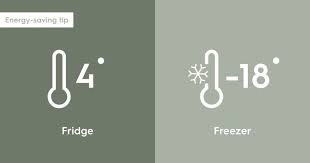
The ideal temperature for a frost-free fridge largely depends on personal food storage and energy consumption needs. Usually, the recommended temperature for the refrigerator section is around 3/5°c, while that of the freezer should be around -18/19°.
-
There may then be specific compartments, typically dedicated to the conservation of meat, fish or dairy products, for which in many cases the adjustment panel allows you to activate an automatic mode which implements a specific regulation of the temperature of these areas, in function of the type of food selected.
How to Set Samsung no Frost Refrigerator Temperature
To make the functioning of the thermostat adjustment panel even clearer, I will give you a practical example of how to set the Samsung no frost refrigerator temperature:
-
Select The Compartment: If you want to define the temperature for a certain compartment, you must first select it with the central button.
-
Define The Temperature: Once the compartment has been selected, you can use the [+] and [-] keys or the right and left directional arrows to define the relevant temperature, which will then be shown on the screen.
Automatic Adjustment Functions
Many products are equipped with automatic adjustment and energy saving features that can further simplify operations:
-
“On Holiday” Mode: Once the “on holiday” mode is activated, the freezing system remains active, but reduces the energy needs of the fridge compartment.
-
Cool Select Zone: Enables a specific food preservation mode in relation to the type of food selected.
How to Adjust The Temperature With The App
If your refrigerator is equipped with wi-fi connectivity, you can use the mobile app to set the temperature even more conveniently:
-
Temperature Adjustment: You can select the desired temperature and set it with just one touch.
-
Automatic Adjustment Functions: You can easily activate the automatic adjustment and energy saving functions.
Conclusion
Setting the temperature of your frost-free refrigerator is a relatively simple process, but it requires an understanding of your personal food storage and energy consumption needs. By considering the advice provided in this article, you should be able to set the temperature of your fridge optimally and help save energy.
Frequently Asked Questions About How to Set The Frost-free Refrigerator Temperature
-
Q1: What is The Ideal Temperature For a no Frost Fridge?
-
The ideal temperature for a frost-free fridge largely depends on personal food storage and energy consumption needs. Usually, the recommended temperature for the refrigerator section is around 3/5°c, while that of the freezer should be around -18/19°.
-
Q2: How to Set The Samsung no Frost Refrigerator Temperature?
-
To make the functioning of the thermostat adjustment panel even clearer, I will give you a practical example of how to set the Samsung no frost refrigerator temperature.
-
Q3: What Are The Automatic Adjustment Functions?
-
Many products have automatic adjustment and energy saving features that can further simplify operations. Some of the most common functions include the “on holiday” mode, which activates the freezing system but reduces the energy needs of the fridge compartment, and the cool select zone, which enables a specific food preservation mode in relation to the type of food selected .


