
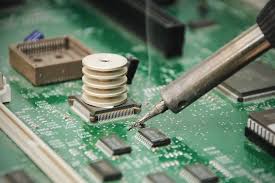
The Art of Welding Electronic Components: A Step-by-step Guide
As a beginner, learning how to weld electronic components can be a daunting task. However, with the right guidance and equipment, anyone can master this skill. In this article, we will take you through the process of welding electronic components, from preparing the necessary materials to executing the final soldering.
Understanding The Basics of Soldering
Soldering is the process of joining two metal pieces together using a filler material, known as solder. The solder melts and flows into the gap between the two metals, forming a strong bond. In electronics, solder is used to attach components such as resistors, capacitors, and ICs (Integrated Circuits) to a printed circuit board (PCB).
Materials Needed
Before starting, you will need the following materials:
- A soldering iron
- Solder wire (tin/lead or lead-free)
- Flux paste
- Safety glasses
- Gloves
Preparing The Component
To begin, prepare the component by cleaning it with a flux pen or a cotton swab. This ensures that there are no oils or contaminants on the surface of the component.
Step 1: Preheating The Soldering Iron
Preheat the soldering iron to the recommended temperature (usually around 350°C). Make sure the iron is clean and free from any debris.
Step 2: Tinning The Tip
Tin the tip of the soldering iron by applying a small amount of solder wire. This ensures that the iron is coated with a layer of tin, which helps to transfer heat to the component.
Step 3: Applying Flux
Apply a small amount of flux paste to the area where you want to solder the component. This helps to remove any oxidation from the metal and promotes good wetting.
Step 4: Soldering The Component
Hold the component in place with one hand, and use the other hand to apply the solder wire to the joint. Make sure to heat the solder until it flows smoothly into the gap between the two metals.
Tips And Tricks
Here are a few tips and tricks to keep in mind when soldering electronic components:
- Use the right amount of flux. Too little flux can cause the solder to not wet properly, while too much flux can create a mess.
- Keep the soldering iron clean and free from debris.
- Use a thermometer to ensure that the iron is at the correct temperature.
- Avoid overheating the component or the PCB.
Step 5: Inspecting The Solder Joint
Once you have finished soldering, inspect the joint to make sure it is secure and free from any defects. Use a magnifying glass or a microscope to examine the joint closely.
Common Mistakes to Avoid
Here are some common mistakes to avoid when soldering electronic components:
- Overheating the component or the PCB
- Not using enough flux
- Using too much solder wire
- Not inspecting the solder joint properly
Conclusion
Soldering electronic components is a delicate process that requires patience and practice. By following these steps and tips, you can ensure that your solder joints are strong and reliable. Remember to always use safety glasses and gloves when working with hot solder, and never leave the iron unattended.
Frequently Asked Questions (FAQs)
Q: What is the best type of solder to use for electronic components?
A: The best type of solder to use depends on the specific application. However, tin/lead solder is still widely used in electronics due to its good wetting properties and ease of use.
Q: How do I prevent oxidation from occurring on the metal surface?
A: Apply a small amount of flux paste to the area where you want to solder the component. This helps to remove any oxidation from the metal and promotes good wetting.
Q: What is the recommended temperature for preheating the soldering iron?
A: The recommended temperature for preheating the soldering iron depends on the specific application. However, a temperature of around 350°C is usually suitable for most electronic components.
Q: How do I know if the solder joint is secure?
A: Inspect the solder joint to make sure it is secure and free from any defects. Use a magnifying glass or a microscope to examine the joint closely.
Q: Can I use a different type of flux other than flux paste?
A: Yes, you can use a different type of flux such as liquid flux or rosin core solder. However, be aware that these types of flux may have different properties and usage instructions.
Q: How do I store my soldering iron when not in use?
A: Store your soldering iron in a dry place away from children and pets. Avoid storing the iron with the tip exposed to air as this can cause it to oxidize.
References
- “The Art of Soldering” by Tom Williams
- “Soldering Basics” by Adafruit Industries
- “Electronic Component Soldering Guide” by JLCPCB


