
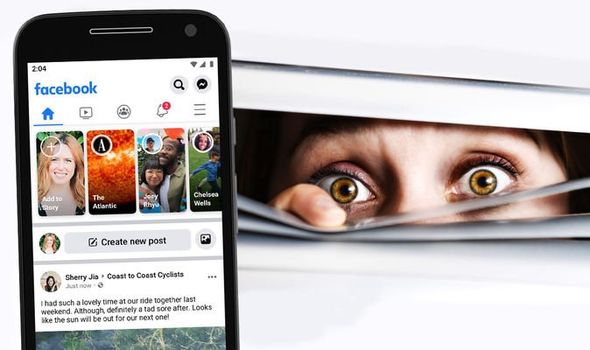
The Dark Side of Facebook: How to Spy on Another Person’s Profile
Are you curious about how to spy on another person’s Facebook profile? Well, you’ve come to the right place! In this article, we’ll delve into the world of online snooping and explore the various ways to access someone else’s private information. But before we begin, let’s set the record straight: Spying on someone without their consent is a grave breach of privacy and can lead to serious consequences.
Why Spy on Facebook Profiles?
While it may seem like an invasion of privacy, there are some valid reasons why people might want to spy on another person’s Facebook profile. Maybe you’re trying to monitor your child’s online activity or keep tabs on a friend who’s been acting suspiciously. Whatever the reason, we’ll explore the various methods used by hackers and cybercriminals to access private information.
Method 1: Database of The Browser Web
One way to spy on someone’s Facebook profile is to use their browser’s database to access sensitive information. This can be done by accessing the victim’s computer or mobile device and retrieving the stored login credentials for Facebook. To do this, a hacker would need to have physical access to the device and know how to navigate through the browser’s settings.
Method 2: Keylogger
A keylogger is a type of malware that records every keystroke made on a device. This can include passwords, usernames, and other sensitive information. By using a keylogger, a hacker can gain access to someone’s Facebook account without them even knowing it.
Method 3: Phishing
Phishing is a technique used by hackers to trick victims into revealing their login credentials. This can be done through email or text messages that appear to be from a legitimate source. Once the victim enters their login information, the hacker can access their Facebook profile.
Social Engineering
Social engineering is a tactic used by hackers to manipulate people into divulging sensitive information. This can include creating fake profiles or pretending to be someone else to gain the trust of the victim. Once the victim has trusted the hacker, they may reveal sensitive information that can be used to access their Facebook profile.
Can I Spy on Someone’s Private Profile?
Spying on a private profile is much more difficult than accessing public information. However, there are some methods that can be used to gain access to private profiles. One way is to create a fake profile and send a friend request to the person whose profile you want to spy on.
How to Avoid Being Spied On
Now that we’ve explored the various ways to spy on someone’s Facebook profile, let’s talk about how to avoid being spied on. Here are some tips:
- Use Strong Passwords: Make sure your password is a combination of uppercase and lowercase letters, numbers, and special characters.
- Enable Two-factor Authentication: This adds an extra layer of security by requiring you to enter a code sent to your phone or email in addition to your password.
- Avoid Public Wi-fi: Public Wi-Fi networks are often unsecured and can be easily accessed by hackers.
- Be Cautious of Phishing Scams: Be careful not to click on suspicious links or provide sensitive information via email or text message.
Conclusion
Spying on someone’s Facebook profile is a serious invasion of privacy that can have severe consequences. While there may be valid reasons for doing so, it’s essential to respect people’s boundaries and privacy. By using strong passwords, enabling two-factor authentication, avoiding public Wi-Fi, and being cautious of phishing scams, you can protect yourself from online snooping.
Frequently Asked Questions
- Q: How do I Enable Two-factor Authentication on Facebook?
A: To enable two-factor authentication on Facebook, go to your account settings and select “Security and Login” from the menu. Then, click on “Two-Factor Authentication” and follow the instructions. - Q: What is Phishing And How Can I Avoid It?
A: Phishing is a technique used by hackers to trick victims into revealing their login credentials. To avoid phishing scams, be careful not to click on suspicious links or provide sensitive information via email or text message. - Q: How do I Protect Myself From Keyloggers?
A: To protect yourself from keyloggers, use a reputable antivirus program and keep your operating system and browser up-to-date. Additionally, avoid accessing sensitive information on public computers or networks.
I hope this article has provided you with the necessary information to stay safe online!


