How to Structure a Lesson Simulated: A Comprehensive Guide
Are you preparing for an oral exam where you’ll have to present a lesson simulated in front of a commission? If so, this guide is for you! As a teacher, it’s essential to know how to structure a lesson simulated to demonstrate your teaching skills and capacity. In this article, we’ll walk you through the steps to create an effective lesson simulated, including tips and examples.
Understanding The Commission’s Expectations
Before structuring a lesson simulated, it’s crucial to understand what the commission is looking for. Typically, the commission will assess your ability to teach a specific topic, manage a classroom, and use various teaching instruments. Be sure to familiarize yourself with the directives issued by your school or institute.
Key Considerations For Structuring a Lesson Simulated
- Establish Objectives: Define clear objectives for the lesson simulated, which should align with the broader curriculum goals.
- Respect The Class of Reference: Adapt your teaching style and language to suit the age and level of the students you’re addressing.
- Use Instruments of Evaluation: Develop a system to assess student progress and understanding during the lesson.
- Manage The Weather: Effectively manage classroom dynamics, including strategic pauses and moments of reflection.
Example of a Lesson Simulated
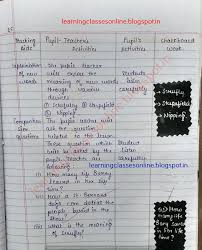
Imagine teaching a lesson on computer basics to a group of primary school students. Here’s an example:
- Environmental analysis: Introduce the topic by asking students what they already know about computers.
- Definition requisitioned alumnus: Assess students’ prior knowledge and understanding of basic concepts.
- Didactic objectives: Define specific objectives for the lesson, such as teaching students how to use a mouse or keyboard.
- Integration interdisciplinare: Incorporate relevant concepts from other subjects, like math or science.
Tips For Structuring a Lesson Simulated
- Be Thorough: Cover all essential topics and provide adequate time for discussion and Q&A.
- Use Visual Aids: Utilize slides, videos, or interactive tools to engage students and support learning.
- Encourage Participation: Foster a supportive classroom environment where students feel comfortable sharing their thoughts and ideas.
Special Considerations For Different Age Groups
When structuring a lesson simulated for secondary school students, consider the following:
- Use more complex language and concepts
- Incorporate higher-level thinking skills, such as analysis and evaluation
For students with disabilities or special needs, adapt your teaching approach to meet their individual requirements. This may involve using assistive technologies or modifying your instructional methods.
Conclusion
Structuring a lesson simulated requires careful planning, attention to detail, and an understanding of the commission’s expectations. By following these guidelines and considering the unique needs of your students, you’ll be well-prepared for this critical assessment. Remember to stay calm, be confident in your abilities, and demonstrate your passion for teaching.
Frequently Asked Questions (FAQs)
- Q: What is The Main Purpose of a Lesson Simulated?
A: To assess your ability to teach a specific topic, manage a classroom, and use various teaching instruments. - Q: How Can I Ensure my Lesson Simulated Meets The Commission’s Expectations?
A: Familiarize yourself with the directives issued by your school or institute and adapt your teaching style accordingly. - Q: What Are Some Essential Considerations For Structuring a Lesson Simulated?
A: Establish clear objectives, respect the class of reference, use instruments of evaluation, and manage classroom dynamics effectively. - Q: How Can I Make my Lesson Simulated Engaging And Interactive?
A: Use visual aids, encourage participation, and foster a supportive classroom environment. - Q: What Are Some Special Considerations For Students With Disabilities or Special Needs?
A: Adapt your teaching approach to meet individual requirements, using assistive technologies or modifying instructional methods as needed. - Q: How Can I Prepare For The Commission’s Assessment of my Lesson Simulated?
A: Practice presenting your lesson, receive feedback from peers or mentors, and stay calm and confident during the actual presentation. - Q: What Are Some Common Mistakes to Avoid When Structuring a Lesson Simulated?
A: Failing to establish clear objectives, neglecting student participation, and not using relevant teaching instruments. - Q: How Can I Ensure my Lesson Simulated is Effective And Efficient?
A: Use a logical structure, prioritize essential topics, and allocate sufficient time for discussion and Q&A.
I hope this comprehensive guide has provided you with the necessary insights and guidance to structure an effective lesson simulated. Good luck!