
The World of 3D Printing: A Guide to Getting Started
Are you interested in exploring the world of 3D printing, but don’t know where to start? Look no further! In this guide, we’ll take you through the basics of 3D printing, including the different types of printers available, the materials used, and the process of creating your own 3D printed objects.
What is 3D Printing?
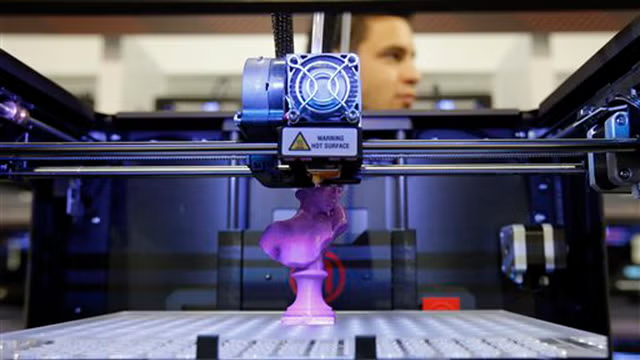
3D printing is a technology that allows you to create physical objects from digital designs. It’s like having a printer that can print out anything you can imagine, but instead of using ink or paper, it uses layers of plastic or other materials to build up the object.
Types of 3D Printers
There are several types of 3D printers available on the market, each with its own strengths and weaknesses. Here are some of the most common types:
- Fdm (Fused Deposition Modeling) Printers: These are the most common type of 3D printer, and are often used for hobbyist and professional applications. They work by extruding melted plastic through a hotend, which is then deposited onto a build plate.
- Sla (Stereolithography) Printers: These printers use a laser to solidify liquid resin, creating precise and detailed objects. They’re often used for high-end jewelry and decorative items.
- Dlp (Digital Light Processing) Printers: Similar to SLA printers, DLP printers use a digital projector to solidify liquid resin. They’re often used for prototyping and small production runs.
Materials Used in 3D Printing
The materials used in 3D printing vary depending on the type of printer being used. Here are some of the most common materials:
- Pla (Polylactic Acid): A biodegradable plastic that’s easy to print with and has a low melting point.
- Abs (Acrylonitrile Butadiene Styrene): A strong and durable plastic that’s often used for prototyping and production.
- Resin: A liquid material that’s solidified by light or heat, creating precise and detailed objects.
Getting Started With 3D Printing
So, you’ve decided to take the plunge and get started with 3D printing! Here are some steps to follow:
- Choose a Printer: With so many options available, it can be hard to choose the right printer for your needs. Consider what type of objects you want to print, and what features are most important to you (such as resolution, speed, and price).
- Prepare Your Design: Before printing, make sure your design is ready. This includes checking for errors, adjusting settings, and preparing the file for printing.
- Slice And Print: Once your design is ready, slice it into layers using software like Cura or Slic3r. Then, print out the object using your 3D printer.
Tips And Tricks
Here are some tips and tricks to keep in mind when getting started with 3D printing:
- Read The Manual: Before starting, make sure you read the manual for your printer and software.
- Practice Makes Perfect: Don’t be discouraged if your first prints don’t turn out perfectly. Practice makes perfect!
- Join a Community: Join online communities or local meetups to connect with other 3D printing enthusiasts and learn from their experiences.
Conclusion
In conclusion, 3D printing is an exciting technology that allows you to create physical objects from digital designs. With so many options available, it can be hard to choose the right printer for your needs. By following these steps and tips, you’ll be well on your way to becoming a proficient 3D printing enthusiast.
Frequently Asked Questions
Here are some frequently asked questions about 3D printing:
- Q: What is The Difference Between Fdm And Sla Printers?
A: FDM printers use melted plastic to build up objects, while SLA printers use liquid resin. - Q: Can I Print With Metal or Other Materials?
A: Yes, there are specialized 3D printing technologies that allow you to print with metals and other materials. - Q: How Long Does it Take to Print an Object?
A: The time it takes to print an object depends on the size of the object, the type of printer being used, and the settings chosen. - Q: Can I Use 3D Printing For Professional Applications?
A: Yes, many professionals use 3D printing for prototyping, product design, and other applications. - Q: Is 3D Printing Expensive?
A: The cost of 3D printing varies depending on the type of printer being used and the materials chosen.
Additional Resources
Here are some additional resources to help you get started with 3D printing:
- Online Communities: Join online communities like Reddit’s r/3DPrinting or Facebook groups for 3D printing enthusiasts.
- Local Meetups: Attend local meetups or workshops to learn from experienced 3D printing enthusiasts.
- Software And Apps: Use software and apps like Cura, Slic3r, or MakerBot’s PrintShop to design and print objects.
The Future of 3D Printing
As the technology continues to evolve, we can expect to see even more exciting developments in the world of 3D printing. With advancements in materials, resolution, and speed, the possibilities for creative expression and practical application are endless. Whether you’re a seasoned professional or just starting out, there’s never been a better time to explore the world of 3D printing!


