
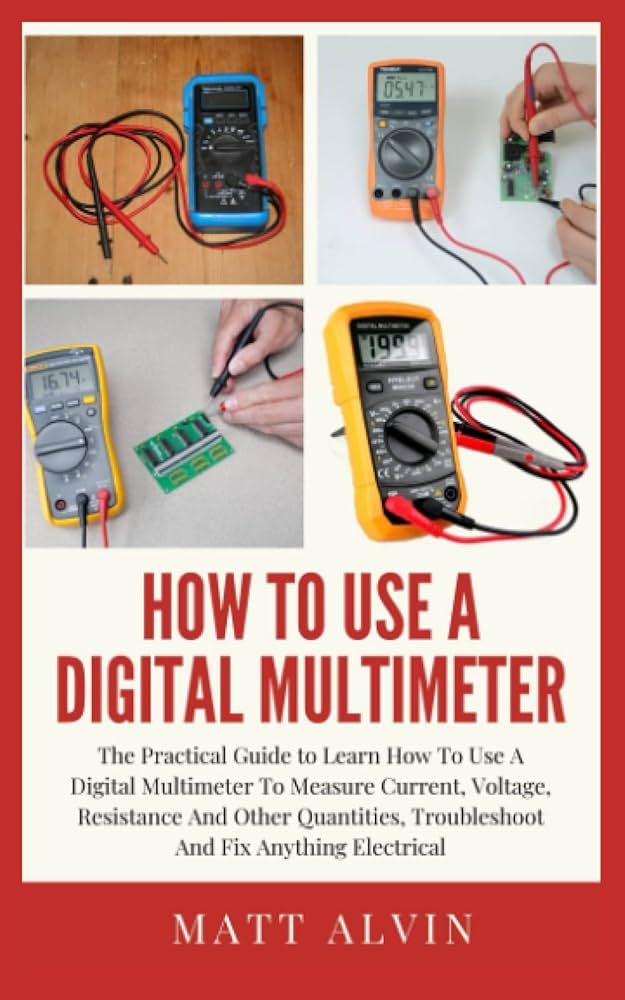
The Ultimate Guide to Using a Digital Tester: A Comprehensive Resource
Are you looking to take your electrical testing skills to the next level? Look no further than this comprehensive guide on using a digital tester. As we explore the world of electrical measurements, it’s essential to understand the capabilities and limitations of these devices.
Understanding The Basics
Before diving into the nitty-gritty details, let’s start with the basics. A digital tester, also known as a multimeter, is an electronic device that measures various electrical parameters such as voltage, current, resistance, and more. These devices have become an essential tool for anyone working with electricity, from hobbyists to professionals.
Components of a Digital Tester
So, what makes up a digital tester? Let’s take a closer look at the different components:
- Display: This is where you’ll see the measurements displayed. Most modern multimeters have a 4-digit display that can show both positive and negative values.
- Selector: This is the part of the device that allows you to choose which measurement to take (voltage, current, resistance, etc.). Some higher-end devices may have additional features like data logging or temperature measurement.
- Buttons: These are used to turn the device on/off, select measurement modes, and perform other functions. Be careful not to press any buttons accidentally while taking measurements!
- Connectors: These are where you’ll insert the test leads (or probes) into the device. Make sure to match the colored connectors with the corresponding wires.
Functions of a Digital Tester
A digital tester can do more than just measure voltage, current, and resistance. Here are some common functions:
- Voltage Measurement: This is one of the most basic measurements you can take with a multimeter. Use it to check the voltage of a battery or electrical circuit.
- Current Measurement: This function allows you to measure the flow of electrons in a circuit. Be careful when working with high currents, as they can be hazardous!
- Resistance Measurement: This function is useful for checking the resistance of components like resistors, capacitors, and inductors.
How to Use a Digital Tester
Now that we’ve covered the basics, let’s get into some practical examples. Here’s how to use a digital tester:
- Choose The Right Function: Select the measurement function you want to take (voltage, current, resistance, etc.). Make sure to choose the right range for your measurement.
- Connect The Test Leads: Insert the test leads into the device and connect them to the circuit or component you’re measuring.
- Take The Measurement: Turn on the device and take the measurement. Be careful not to touch any wires or components while taking the reading.
Tips And Precautions
When using a digital tester, there are some things to keep in mind:
- Always Use The Right Function: Make sure to choose the right function for your measurement. Using the wrong function can lead to inaccurate readings.
- Be Careful With High Currents: When working with high currents, be careful not to get electrocuted or cause damage to the device.
- Never Touch Wires or Components: While taking a measurement, make sure not to touch any wires or components. This can affect the accuracy of your reading.
Conclusion
A digital tester is an essential tool for anyone working with electricity. By understanding its capabilities and limitations, you’ll be able to take accurate measurements and avoid common pitfalls. Remember to always use the right function, be careful with high currents, and never touch wires or components while taking a measurement.
Faqs
Here are some frequently asked questions about using a digital tester:
Q: What is a digital tester?
A: A digital tester, also known as a multimeter, is an electronic device that measures various electrical parameters such as voltage, current, resistance, and more.
Q: How do I choose the right function for my measurement?
A: Make sure to select the measurement function that matches your needs (voltage, current, resistance, etc.). Choose the right range for your measurement to avoid inaccurate readings.
Q: What precautions should I take when working with high currents?
A: Be careful not to get electrocuted or cause damage to the device. Never touch wires or components while taking a measurement.
Q: Can I use a digital tester to measure temperature?
A: Some higher-end devices may have additional features like temperature measurement. However, this is not a standard function in most multimeters.


