
In today’s fast-paced financial landscape, investors are constantly seeking ways to optimize their portfolios. Among the many investment vehicles available, Exchange-Traded Funds (ETFs) have emerged as a popular choice for both seasoned investors and beginners. But how exactly can you use ETFs to diversify your investment portfolio? In this comprehensive guide, we will delve into the world of ETFs, discuss their benefits, and provide practical strategies for using them to achieve a well-rounded investment strategy.
Understanding ETFs
Before we dive into how to use ETFs for diversification, it’s essential to understand what they are. ETFs are investment funds that trade on stock exchanges, much like individual stocks. They typically hold a basket of assets, which can include stocks, bonds, commodities, or other securities. One of the defining features of ETFs is that they offer investors exposure to a wide range of asset classes without having to purchase each individual security.
Key Characteristics of ETFs
-
Liquidity: ETFs can be bought and sold throughout the trading day, just like stocks. This gives investors the flexibility to adjust their portfolios in real-time.
-
Low Costs: ETFs generally have lower expense ratios compared to mutual funds. This makes them an attractive option for cost-conscious investors seeking to reduce fees.
-
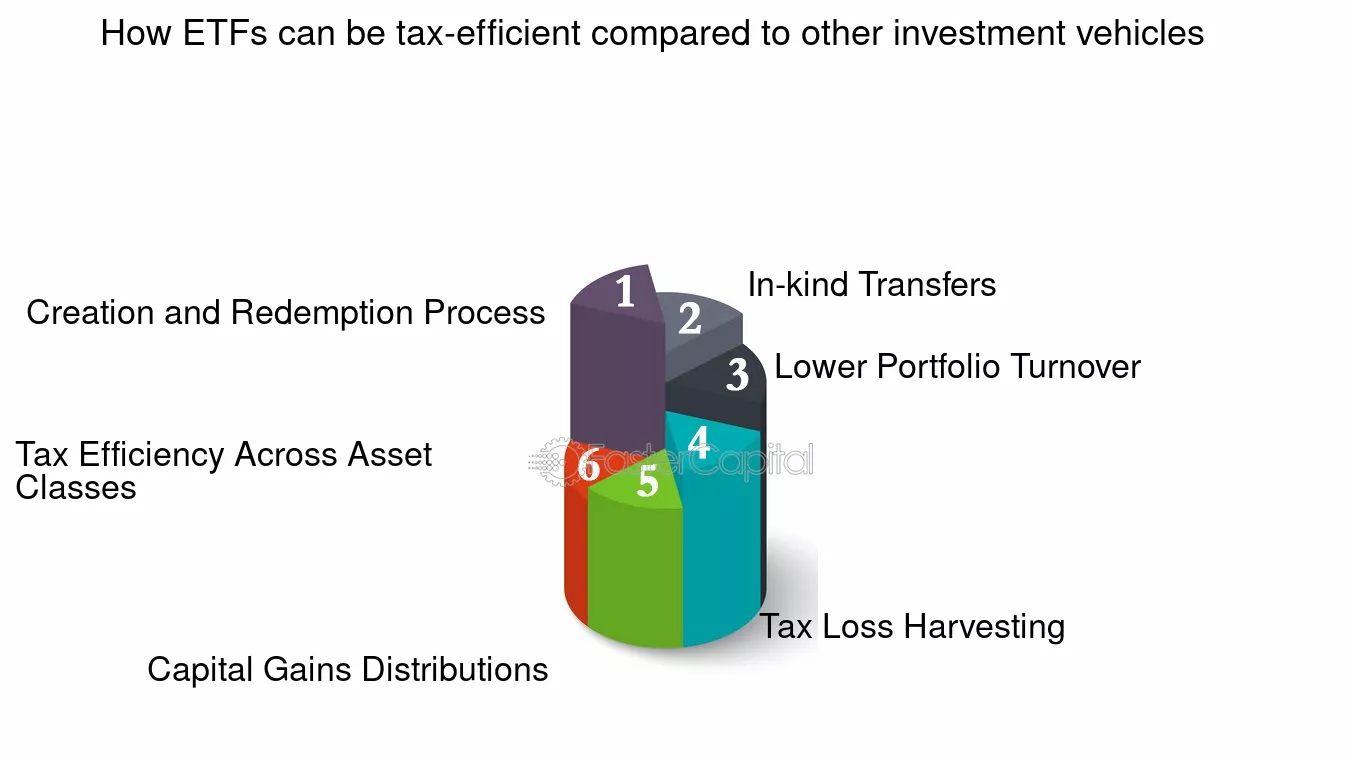
Tax Efficiency: ETFs are structured in a way that can be more tax-efficient than traditional mutual funds. This is primarily due to the “in-kind” creation and redemption process, which allows funds to avoid triggering capital gains taxes when investors buy and sell shares.
-
Transparency: Most ETFs disclose their holdings regularly, allowing investors to know what assets they own at any given time.
Why Diversification Matters
Diversification is a fundamental principle of investing that aims to reduce the risk of your portfolio. By spreading your investments across various asset classes, sectors, and geographical regions, you can minimize the impact of a poor-performing investment. The idea is simple: if one investment fails, others may succeed, balancing out the overall performance.
Benefits of Diversification
-
Risk Reduction: A diversified portfolio is less likely to experience drastic declines. While some assets may underperform, others may outperform, providing a buffer against losses.
-
Smoother Returns: Diversification generally leads to more consistent returns over time, making it easier to stick to your investment strategy through volatile market conditions.
-
Opportunity for Growth: By investing in different sectors or regions, you can take advantage of growth opportunities that may not be available in your home market.
How ETFs Foster Diversification
ETFs are a powerful tool for diversification due to their inherent structure and the multitude of options available. Below are some strategies for using ETFs to effectively diversify your investment portfolio.
1. Broad Market Exposure
One of the simplest ways to diversify is by investing in broad market ETFs that track indexes like the S&P 500 or the Total Stock Market Index. These ETFs provide exposure to a wide variety of sectors and companies, which can help mitigate the risks associated with individual stocks.
Examples:
– SPDR S&P 500 ETF Trust (SPY): This ETF aims to provide investment results that correspond to the performance of the S&P 500 Index.
– Vanguard Total Stock Market ETF (VTI): This fund seeks to track the performance of the CRSP US Total Market Index, covering nearly all publicly traded U.S. companies.
2. Sector-Specific ETFs
While broad market ETFs are beneficial, you can further diversify by including sector-specific ETFs in your portfolio. These funds allow you to invest in specific industries, such as technology, healthcare, or consumer goods. This is particularly useful if you believe certain sectors will outperform others.
Examples:
– Technology Select Sector SPDR Fund (XLF): Focuses on companies in the technology sector.
– Health Care Select Sector SPDR Fund (XLV): Targets healthcare companies, providing exposure to pharmaceuticals, biotechnology, and healthcare equipment.

- Overcome negative thought patterns, reduce stress, and live a worry-free life
- Overthinking is the biggest cause of unhappiness
- Don't get stuck in a never-ending thought loop
- Stay present and keep your mind off things that don't matter, and never will
- Break free of your self-imposed mental prison
3. International Exposure
To achieve true diversification, consider adding international ETFs to your portfolio. Investing in global markets can help reduce the risks associated with domestic economic downturns.
Examples:
– iShares MSCI Emerging Markets ETF (EEM): Provides exposure to equities in emerging markets, allowing you to tap into growth potential in countries like China, India, and Brazil.
– Vanguard FTSE Europe ETF (VGK): Offers exposure to large and mid-sized companies in Europe.
4. Bonds and Fixed Income ETFs
Incorporating bond ETFs into your portfolio is another effective way to diversify. These funds invest in various fixed-income securities, which can provide stability and income, especially during market downturns.
Examples:
– iShares Core U.S. Aggregate Bond ETF (AGG): Aims to track the investment results of an index composed of the total U.S. investment-grade bond market.
– Vanguard Total Bond Market ETF (BND): Seeks to provide diversified exposure to the entire U.S. bond market.
5. Thematic and Niche ETFs
For investors looking to align their portfolios with specific themes or trends, niche ETFs offer unique opportunities. These funds may target emerging technologies, social responsibility, or other specific investment ideas.
Examples:
– Global X Robotics & Artificial Intelligence ETF (BOTZ): Focuses on companies involved in robotics and AI technologies.
– iShares Global Clean Energy ETF (ICLN): Invests in companies involved in the renewable energy sector, promoting sustainable practices.
Building Your ETF Portfolio
Now that you understand how ETFs can diversify your investment portfolio, it’s time to put your knowledge into action. Here are some steps to consider when constructing your ETF portfolio:
Step 1: Determine Your Investment Goals
Before you select ETFs, clarify your investment objectives. Are you looking for long-term growth, income, or a mix of both? Your goals will inform your ETF selection.
Step 2: Assess Your Risk Tolerance
Understanding your risk tolerance is crucial for building a diversified portfolio. If you can handle market volatility, you may opt for a more aggressive allocation with a higher percentage of equities. Conversely, if you prefer stability, you may lean toward a higher allocation in bonds or conservative ETFs.
Step 3: Research ETFs
Take the time to research the ETFs you’re considering. Look at the fund’s expense ratios, historical performance, and holdings. Tools like Morningstar, Yahoo Finance, and brokerage platforms can provide valuable information.
Step 4: Create an Asset Allocation
Based on your goals and risk tolerance, establish an asset allocation strategy. This might involve determining the percentage of your portfolio that will be allocated to stocks, bonds, and other assets.
Step 5: Regularly Rebalance Your Portfolio
The market can fluctuate, causing your asset allocation to drift over time. To maintain your intended diversification, periodically review your portfolio and rebalance it as needed. This may involve selling some funds and buying others to keep your allocation aligned with your investment strategy.
Conclusion
Using ETFs to diversify your investment portfolio can be a smart strategy for investors seeking to manage risk and enhance returns. With the variety of ETFs available, you can easily tailor your portfolio to suit your unique financial goals and risk tolerance. By investing in a mix of broad market funds, sector-specific ETFs, international assets, bonds, and niche products, you can create a well-rounded portfolio that is prepared for various market conditions.
Remember that investing involves risks, and it’s important to do your due diligence before making any investment decisions. As you embark on your journey to diversify your portfolio with ETFs, stay informed, continuously educate yourself, and make adjustments as your financial situation and market conditions evolve. Happy investing!


