
When it comes to investing, the landscape can often resemble a precarious tightrope – one misstep can lead to significant financial loss. As you navigate this world, it’s crucial to have strategies in place to shield your investments from unpredictable market fluctuations. One of the most effective ways to secure your financial future is through hedging strategies. In this article, we’ll explore what hedging is, how it works, and practical ways you can implement it to protect your investments.
Understanding Hedging: What It Is and Why It Matters
Before diving into practical strategies, let’s clarify what hedging is. At its core, hedging means creating a safeguard against potential losses in your investment portfolio. By making strategic moves, investors aim to offset a variety of risks, whether they come from volatile market conditions, currency fluctuations, or commodity prices.
Imagine you’ve invested heavily in the stock market. If the market takes a downturn, your investment’s value can plummet, leading to significant losses. Here’s where hedging enters the picture: it allows you to balance risk, ensuring that despite market volatility, your losses can be minimized.
The Importance of Hedging Strategies
Hedging isn’t just a protective measure; it’s an integral component of savvy investing. Here are several reasons why employing hedging strategies is crucial:
-
Risk Management: Hedging helps to reduce the overall risk associated with your investment portfolio.
-
Capital Preservation: Protecting your existing capital ensures you won’t have to start from scratch after a market downturn.
-
Increased Confidence: Knowing you have a safety net allows you to make investment decisions with a level head.
-
Diversification: Diversifying your portfolio through hedging can lead to better returns over time.
-
Market Volatility: In highly volatile markets, hedging can be a lifeline, helping you maintain stability and navigate uncertainty.
Common Hedging Strategies to Consider
Now that you understand the importance of hedging, let’s explore some of the most common strategies available.
1. Options Contracts
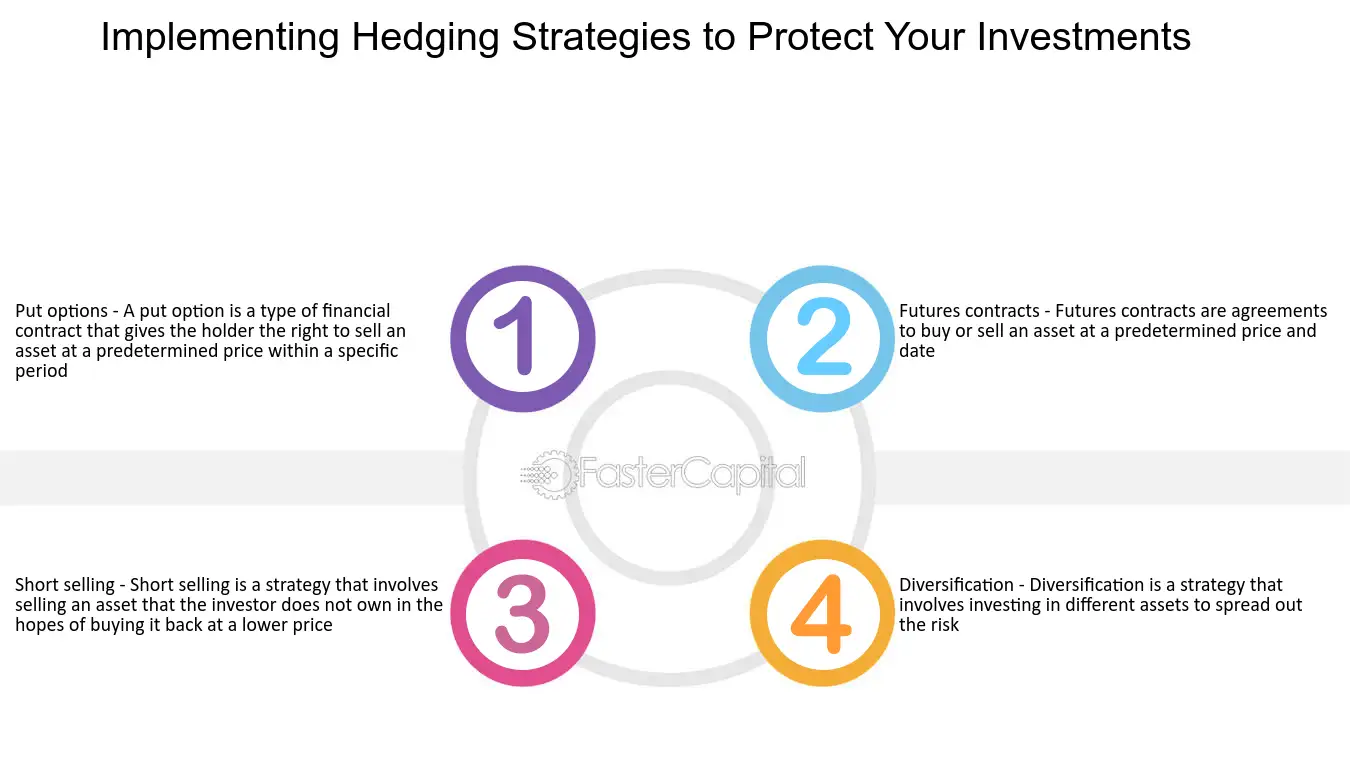
Options contracts are agreements that give you the right, but not the obligation, to buy or sell an asset at a predetermined price on or before a specific date.
-
Call Options: These provide the right to purchase assets at a specific price. Investors use them to hedge against potential price increases.
-
Put Options: Conversely, put options give you the right to sell an asset, which can safeguard against price drops.
For example, if you own shares in a company and fear a price drop, purchasing put options can provide you with a safety net. If the price falls, you can still sell your shares at a higher price than the current market value, limiting your losses.
2. Futures Contracts
Futures contracts are agreements to buy or sell an asset at a predetermined price at a specified time in the future. They are commonly used in commodities trading, but they can also apply to stocks and other assets.
By engaging in futures contracts, you can lock in prices for commodities, currencies, or stock indices. If you expect that a particular asset may decline in value, entering a futures contract allows you to sell the asset at a predetermined price, thereby mitigating potential losses.
3. Exchange-Traded Funds (ETFs)
While not a direct hedging strategy, investing in certain ETFs that are designed to move inversely to the market can offer a protective layer. For instance, if you have substantial investments in the stock market, you might consider allocating a portion of your portfolio to inverse ETFs.
These ETFs have the potential to rise in value when the stock market declines, providing a balance to your overall portfolio.
4. Currency Hedging
For investors involved in international markets or companies that conduct business abroad, currency fluctuations can pose a significant risk. Currency hedging helps protect against exchange rate changes that could affect the value of your international investments.
Investors can use foreign exchange contracts or currency ETFs to limit exposure to currency risk. By doing so, you can shield your investments from adverse currency movements.

- Overcome negative thought patterns, reduce stress, and live a worry-free life
- Overthinking is the biggest cause of unhappiness
- Don't get stuck in a never-ending thought loop
- Stay present and keep your mind off things that don't matter, and never will
- Break free of your self-imposed mental prison
5. Diversifying Across Asset Classes
One of the simplest and most effective hedging strategies is diversification. By spreading your investments across various asset classes – including stocks, bonds, real estate, and commodities – you create a balanced portfolio that can better withstand market turbulence.
For example, during an economic downturn, while stocks may not perform well, bonds or gold may hold their value or even increase. This balance ensures that losses in one area can be mitigated by gains in another.
How to Implement Hedging Strategies Effectively
Now that you’re familiar with different hedging methods, let’s discuss how to implement them effectively.
1. Identify Your Risk Tolerance
Before applying any hedging strategy, it’s essential to assess your risk tolerance. Understanding how much risk you can handle allows you to tailor your hedging approach.
Ask yourself:
- How much can I afford to lose?
- Are my investments likely to be affected by market volatility?
- What type of assets am I most concerned about?
2. Analyze Market Conditions
Keep an eye on market trends, economic indicators, and geopolitical events that could impact your investments. By staying informed, you can make strategic decisions about when to hedge and which assets to target.
3. Choose the Right Hedging Tool
Evaluate the various hedging methods available and determine which ones align best with your investment strategy and risk tolerance.
For example, if you hold a high-risk tech stock, options contracts may provide a suitable hedge. Conversely, if you’re more risk-averse, consider diversifying your portfolio with bonds.
4. Monitor and Adjust Your Strategy
Hedging is not a “set it and forget it” approach. As markets fluctuate, it’s vital to regularly review and adjust your hedging strategies.
Establish clear parameters for when to hedge and when to unwind positions, and remain flexible to adapt as circumstances change.
5. Seek Professional Guidance
If you’re unsure where to start or how to implement hedging strategies effectively, consider seeking professional advice. Financial advisors can guide you through the complexities of hedging, helping you tailor strategies to your unique situation and goals.
Key Takeaways: Protecting Your Investments
In an unpredictable world, protecting your investments is more crucial than ever. By understanding and implementing hedging strategies, you can significantly reduce your exposure to risk while maintaining the potential for returns.
- Adopt Options and Futures: Use options and futures contracts to safeguard against market fluctuations.
- Consider ETFs: Invest in ETFs that perform inversely to your primary investments.
- Manage Currency Risk: Utilize currency hedging for international investments.
- Diversify Your Portfolio: Spread your investments across multiple asset classes for stability.
- Regularly Review: Keep an eye on market trends and adjust your strategies as needed.
In conclusion, hedging is an essential aspect of a well-rounded investment strategy. By taking proactive steps, you can enjoy the peace of mind that comes from knowing your investments are protected, allowing you to focus on your long-term financial goals. Whether you’re a seasoned investor or just starting, understanding and applying hedging strategies can make all the difference in your investment journey. Safe investing!


