The Ultimate Guide to Using an Oscilloscope: A Beginner’s Journey
Are you a student of electronics or electrotechnics looking to uncover the secrets of electrical apparatuses? Or perhaps you’re a technician trying to resolve a problem and need reliable, precise instruments? Look no further than this comprehensive guide on using an oscilloscope!
Understanding The Basics
As a beginner, it’s essential to comprehend the fundamental principles of an oscilloscope. This instrument is designed to visualize electrical signals, helping you identify patterns, anomalies, or issues in electronic systems.
What is an Oscilloscope?
An oscilloscope is a measuring tool that displays the waveform or specific events in a system on its monitor. Think of it as a visual representation of the electrical signals within your system.
The Oscilloscope’s Essence
Before diving into specific patterns, let’s discuss the oscilloscope’s core function: Measuring waveforms or events in a system. Don’t worry if you’re not familiar with electronics; this guide will walk you through each step.
Visualizing Waveforms
An oscilloscope displays waveforms as sinusoidal curves, which can help identify issues such as harmonic currents in industrial electrical facilities. Imagine having to resolve problems without this powerful tool – it would be like searching for a needle in a haystack!
Setting Parameters
To correctly visualize signals on an oscilloscope, you need to set four fundamental parameters:
- X-axis: This represents the time or frequency of the signal.
- Y-axis: This displays the voltage or amplitude of the signal.
- Trigger: This sets the starting point for measuring a specific event or waveform.
- Parameters of Visualisation: These allow you to adjust settings like temporal windows, impetuses, and frequency.
Using an Oscilloscope Digitale
Let’s explore how to use the most modern oscilloscope, which is digital. Although it shares the same basic principles as its analog counterpart, there are some practical tricks to learn:
- Split two channels for controlling a channel.
- Use the trigger function to set the starting point for measuring events or waveforms.
- Adjust parameters like temporal windows and impetuses.
Using an Oscilloscope Analogico
Don’t worry if you’re not familiar with digital oscilloscopes – using an analog one is just as straightforward! Here’s what you need to do:
- Set the input channel on the oscilloscope.
- Adjust the vertical sensitivity and horizontal time base to get a clear view of the waveform.
- Use the trigger function to set the starting point for measuring events or waveforms.
Using an Oscilloscope For Auto
If you’re interested in using an oscilloscope with your car, it’s essential to follow these steps:
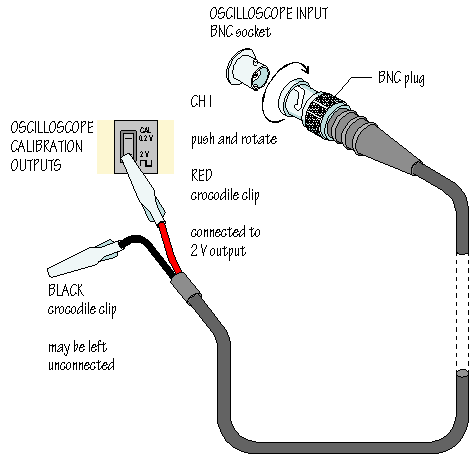
- Set up: Connect the oscilloscope to the car’s electrical system.
- Adjust Settings: Set the vertical sensitivity and horizontal time base to get a clear view of the waveform.
- Visualize Waveforms: Observe the waveform on the oscilloscope.
Conclusion
This guide has walked you through the basics of using an oscilloscope, from understanding its essence to applying it in various scenarios. Whether you’re a student, technician, or car enthusiast, this tool is your best friend when analyzing electrical signals!
Frequently Asked Questions (FAQs)
- What is an Oscilloscope?
An oscilloscope is a measuring tool that displays the waveform or specific events in a system on its monitor. - How do I Set up an Oscilloscope?
Connect the oscilloscope to the electrical system, and adjust settings like vertical sensitivity and horizontal time base. - What Are The Parameters of Visualisation on an Oscilloscope?
Parameters include temporal windows, impetuses, frequency, and more, depending on the oscilloscope model. - How do I Use an Oscilloscope For Auto?
Set up the oscilloscope to connect with your car’s electrical system, then adjust settings to visualize waveforms. - What Are The Benefits of Using an Oscilloscope?
An oscilloscope helps you analyze and identify issues in electronic systems, making it a valuable tool for students, technicians, and enthusiasts alike.
Whether you’re a seasoned expert or just starting your journey with oscilloscopes, this guide has provided you with a solid foundation to get started!