
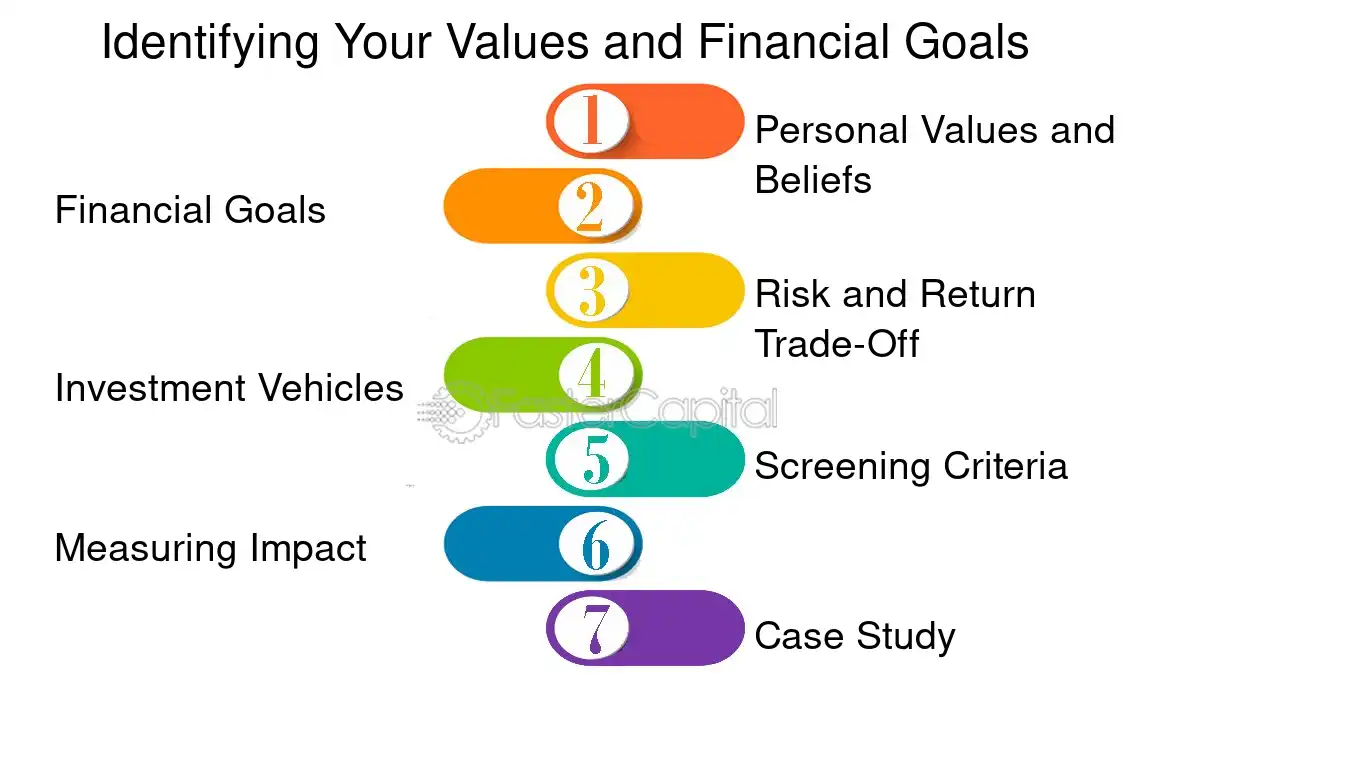
In a world increasingly defined by ethical considerations, the way we handle our finances is taking a stand. Socially Responsible Investing (SRI) is not just a trend; it’s an evolving approach that allows individuals and institutions to make investment decisions that resonate with their values and beliefs. As you ponder the question, “How can I use socially responsible investing to align my finances with my values?” this comprehensive guide will explore why SRI matters, how to get started, and the transformative power it holds.
Understanding Socially Responsible Investing
What is Socially Responsible Investing?
Socially Responsible Investing refers to the practice of selecting investments based on ethical, social, and environmental criteria. Rather than purely focusing on financial returns, SRI seeks to invest in companies or projects that align with the investor’s personal values. This could mean avoiding industries like tobacco and fossil fuels, or specifically choosing to invest in companies that promote sustainability, gender equality, or community development.
The Growth of SRI
The rise of socially responsible investing aligns with a broader shift in consumer behavior. According to the Forum for Sustainable and Responsible Investment, U.S.-based SRI assets reached $17.1 trillion in 2020, representing a significant increase from $12 trillion in 2018. This rapid growth reflects a burgeoning awareness among investors who realize that their money can reflect their values and contribute to societal change.
Why You Should Consider SRI
-
Align Your Financial Goals With Your Values
Many individuals want their investments to reflect their beliefs, whether that involves sustainability, social justice, or corporate responsibility. SRI allows you to channel your capital toward causes that matter to you. -
Potential for Financial Return
Historically, companies that prioritize sustainability and social responsibility tend to be more resilient and less prone to regulatory fines, employee turnover, and reputational damage. Many studies suggest that SRI can yield comparable, if not superior, financial returns compared to traditional investing. -
Influence Corporate Behavior
By choosing to invest in socially responsible companies, you are voting with your dollars. Investors can drive change by encouraging companies to adopt better practices, either through positive reinforcement via investments or negative pressure through divestments. -
Community and Global Impact
SRI broadens the scope of investment opportunities to companies and projects that contribute to community welfare and global sustainability. Whether it’s improving education access or funding renewable energy projects, investors can directly support initiatives that yield positive social outcomes.
Getting Started with Socially Responsible Investing
1. Define Your Values
The first step towards socially responsible investing is to identify what matters to you. Create a list of social issues or environmental concerns that resonate with your personal beliefs—this could range from climate change and gender equality to worker rights and animal welfare.
2. Research Investment Options
Once you have a clear idea of your values, it’s time to explore investment opportunities. Here are a few avenues to consider:
-
Socially Responsible Mutual Funds and ETFs: These funds invest in companies that meet specific ESG (Environmental, Social, and Governance) criteria. They often provide a broad way to diversify your investment while adhering to your values.
-
Green Bonds: These are fixed-income investments that fund projects aimed at improving the environment. Investing in green bonds can support renewable energy, clean transportation, and sustainable water management.
-
Impact Investing: This is a more direct approach that seeks measurable social or environmental outcomes along with financial returns. Impact investments can be through private equity, venture capital, or loan funds.
-
Community Investing: This approach focuses on directing capital to underserved communities, fostering local economic growth, and expanding access to services like housing and education.

- Overcome negative thought patterns, reduce stress, and live a worry-free life
- Overthinking is the biggest cause of unhappiness
- Don't get stuck in a never-ending thought loop
- Stay present and keep your mind off things that don't matter, and never will
- Break free of your self-imposed mental prison
3. Evaluate Performance Metrics
Performance evaluations are essential in SRI. It’s important to look at investment performance based on both financial metrics and social impact. Numerous organizations provide ESG ratings, helping investors gauge how well companies meet their ethical and social goals. Tools like MSCI ESG Ratings or Sustainalytics can offer insights into how well an investment aligns with your values.
4. Seek Professional Advice
If you’re overwhelmed or unsure where to start, consider reaching out to a financial advisor who specializes in sustainable or socially responsible investing. They can provide tailored advice, taking into account your financial situation and investment goals.
5. Stay Informed and Engaged
Socially responsible investing is an evolving landscape. Staying informed about current events, regulatory changes, and emerging trends in SRI will not only enhance your investment acumen but also strengthen your commitment to aligning your finances with your values.
Tools and Resources for SRI
Software and Platforms
Many platforms specialize in socially responsible investing. Here are a few:
-
Swell Investing: An investment platform focused on social impact that offers a range of portfolios aligned with various impact themes.
-
M1 Finance: A customizable investing platform that allows you to build your portfolio around your values, letting you select from various socially responsible funds.
-
Betterment: This robo-advisor offers responsible investing features, integrating sustainable portfolios that reflect your values.
-
Wealthsimple: Offers SRI portfolios with various options focusing on different values—from clean energy to gender diversity.
Books and Blogs
Dive deeper into socially responsible investing by reading books or following blogs. Some popular titles include:
- Investing for Change: A Practical Guide to Socially Responsible Investing by John Lee.
- The Little Book of Common Sense Investing by Jack Bogle.
- Websites such as Investopedia, Morningstar, or even dedicated sustainability blogs can provide a wealth of additional knowledge.
Common Misconceptions About SRI
-
SRI Means Lower Returns: Many still believe that ethically aligned investments do not perform as well financially. However, studies often reveal that socially responsible portfolios can yield competitive returns compared to traditional investments.
-
You Can’t Diversify with SRI: There’s a misconception that focusing on socially responsible investments limits diversification. Many funds and ETFs now offer diverse options, allowing for a well-rounded portfolio that also reflects personal values.
-
SRI is Only for the Wealthy: Historically, investing has often been seen as a privilege of the affluent. However, with the rise of platforms enabling small-scale investments (such as micro-investing apps), anyone can now engage in SRI.
Conclusion: Your Money, Your Values
Socially responsible investing is not just about where to put your money; it’s a reflection of who you are and what you stand for. As an investor, you have the unique opportunity to align your financial strategy with your personal values, empowering you to contribute positively to society while also pursuing financial growth.
Whether you are driven by environmental concerns, social justice, ethical governance, or community development, SRI allows you to cultivate a portfolio that mirrors your principles. By investing in a way that supports what you believe in, you can transform your financial journey into a vehicle for meaningful change.
So the next time you ask, “How can I use socially responsible investing to align my finances with my values?” remember: it’s about making intentional choices that connect your money with the impact you wish to create in the world. Your investment journey is a personal one, and with SRI, you can navigate it with purpose and conviction.


