
Investing in the stock market can be both exhilarating and intimidating. While the potential for impressive returns attracts countless individuals, the inherent risks can lead to sleepless nights for many. One effective tool that savvy investors utilize to mitigate losses is the stop-loss order. This article delves deep into what stop-loss orders are, how they work, and how to effectively implement them to manage investment risks.
What is a Stop-Loss Order?
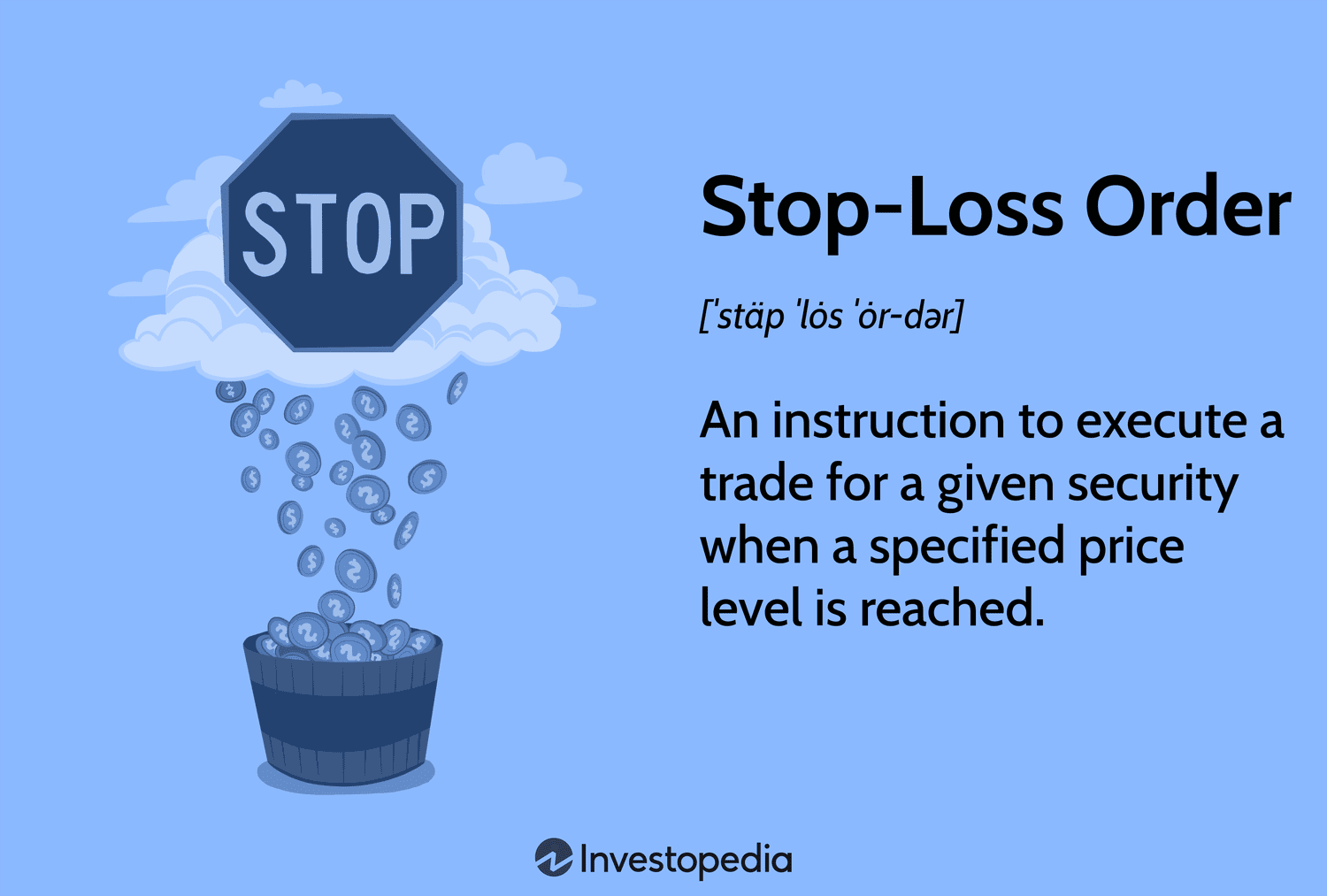
A stop-loss order is an automatic transaction that is triggered when a specific price is reached for a security. Essentially, it acts as an insurance policy, enabling investors to limit their losses by selling a stock once it drops to a predetermined price level. While stop-loss orders cannot guarantee against loss, they are invaluable for protecting your portfolio and minimizing potential declines.
How Do Stop-Loss Orders Work?
When setting a stop-loss order, investors specify a price point at which the order will be activated. For instance, if you purchase shares of XYZ Corp at $50 and place a stop-loss order at $45, your shares will automatically be sold if the stock price falls to $45 or lower. This means that even if you’re not actively monitoring the market, your order will execute, minimizing the damage when facing sudden price drops.
It’s important to note that stop-loss orders are not foolproof. They can be subject to “slippage,” particularly during times of high volatility, where the market price may fall past your stop-loss level before the order is executed. Nonetheless, they remain a key strategy for managing risks.
The Types of Stop-Loss Orders
Understanding the different types of stop-loss orders is essential for effectively managing your investments. Here are the primary types:
1. Standard Stop-Loss Order
As mentioned, a standard stop-loss order is designed to trigger a market order at the predetermined stop price. If the stock falls to that price, your broker will sell it at the next available market price, which may be lower than your stop-loss price during volatile conditions.
2. Stop-Limit Order
A stop-limit order combines a stop-loss with a limit order. It allows you to set two prices: a stop price at which the order is triggered and a limit price at which you’d be willing to sell. For instance, if your stop price is $45, but you set a limit price at $44, your shares will only sell if the price can be matched at or above $44 after the stop price is triggered. This tool provides greater control but may result in your shares not being sold if the limit price isn’t met.
3. Trailing Stop Order
A trailing stop order works differently by allowing the stop price to adjust as the stock price rises. For example, if you set a trailing stop order at 10% below the current market price, and the stock rises from $50 to $60, the stop-loss price will adjust to $54 (10% below $60). This allows you to lock in profits while still protecting against downside risk.
Why Use Stop-Loss Orders?
Investing is inherently risky, and one of the most effective ways to limit that risk is through stop-loss orders. Here are some compelling reasons to use this tool:
1. Emotional Control
One of the most challenging aspects of investing is managing your emotions. Fear and greed can cloud judgment and lead to poor decision-making. Stop-loss orders help remove emotion from the equation; once they are set, they will execute without the need for panic-fueled actions.
2. Time-Saving
By using stop-loss orders, investors can manage their portfolios more efficiently. Instead of constantly monitoring stock prices and making reactive decisions, you can set your stop-loss levels and let the market do its work, saving time and reducing stress.
3. Limiting Losses
While no tool can prevent losses altogether, stop-loss orders provide a straightforward way to limit potential downturns. They help protect your capital, allowing you to preserve funds to allocate to other opportunities, reducing overall risk exposure.

- Overcome negative thought patterns, reduce stress, and live a worry-free life
- Overthinking is the biggest cause of unhappiness
- Don't get stuck in a never-ending thought loop
- Stay present and keep your mind off things that don't matter, and never will
- Break free of your self-imposed mental prison
4. Discipline
Using stop-loss orders instills discipline in your investment strategy. You are forced to think critically about your investment goals, risk tolerances, and thresholds for selling. This proactive mentality significantly contributes to long-term investment success.
How to Set An Effective Stop-Loss Order
Setting the right stop-loss order is crucial to achieving its intended benefits. Here are some tips for determining the best levels for your stop-loss orders:
1. Understand Technical Indicators
Many investors use technical analysis to set stop-loss levels. Common indicators include support levels (where the price historically does not fall below) or moving averages. Employing these metrics can provide a more data-driven approach.
2. Define Your Risk Tolerance
Every investor has a different risk tolerance. Determine how much of a loss you are willing to accept before selling a stock, and set your stop-loss order accordingly. A common rule of thumb is to risk no more than 1-2% of your total portfolio on a single investment.
3. Consider Volatility
Consider the volatility of the stock when placing a stop-loss order. If a stock is highly volatile, a tighter stop-loss may result in premature selling. In these situations, a wider stop-loss can be beneficial, accommodating natural price fluctuations.
4. Review and Adjust
Market conditions change rapidly, and so should your stop-loss orders. Regularly reviewing your stop-loss levels and adjusting them as necessary (especially after a significant price movement) ensures your orders remain aligned with your investment strategy.
Common Mistakes to Avoid with Stop-Loss Orders
While stop-loss orders can be extremely beneficial, many investors make common mistakes that can undermine their effectiveness:
1. Setting Stop-Loss Orders Too Tight
One of the most frequent errors is placing stop-loss orders too tightly, leading to unnecessary executions due to normal market fluctuations. This is especially true for highly volatile stocks, where minor dips can trigger sales.
2. Ignoring Market Conditions
Failing to consider market conditions can lead to poor stop-loss placement. During periods of volatility, wider stop-loss orders may be necessary to prevent them from activating too early.
3. Failing to Conduct Regular Reviews
Investors often neglect to review their stop-loss orders. Regularly assessing and adjusting your stop-loss strategy based on market dynamics and personal portfolio performance is critical for effective risk management.
4. Overreliance on Stop-Loss Orders
While stop-loss orders are a valuable tool, it’s a mistake to rely on them exclusively. Comprehensive risk management should incorporate a range of strategies, such as diversification and active market analysis, for the best outcomes.
Conclusion
Stop-loss orders can be an invaluable risk management tool for investors navigating the uncertain seas of the stock market. By understanding the types of stop-loss orders available, knowing how to set effective levels, and avoiding common pitfalls, you can greatly enhance your investment strategy. Ultimately, the goal is to create a framework that allows you to make informed decisions and protect your investments—even during turbulent market conditions.
For investors looking to leverage the power of stop-loss orders, it’s recommended to keep a disciplined approach and continually seek educational resources. Remember, knowledge is power; the more you understand about stop-loss orders and their implementation, the smoother your investment journey will be.
With the right mindset and tools in place, you can confidently face the challenges of investing, manage risks effectively, and work towards achieving your financial goals. Happy investing!


