
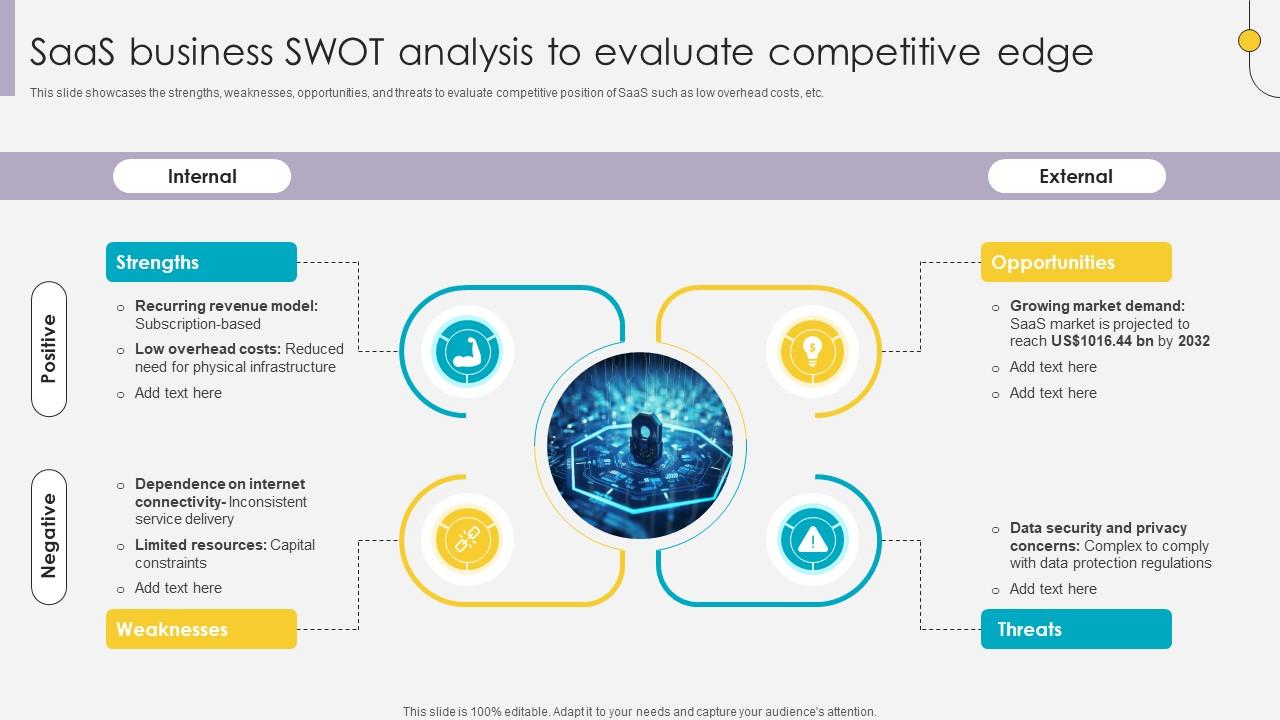
In the ever-evolving world of Software as a Service (SaaS), launching a new product can be daunting. With an array of competitors and the constant need for innovation, having a solid business plan is essential for success. One effective strategy to create and refine your SaaS business plan is the SWOT analysis. But how exactly do you leverage this tool to boost your SaaS venture? Let’s dive deep into the world of SWOT analysis, exploring its benefits, components, and ways to apply it effectively to your business plan.
What is SWOT Analysis?
SWOT stands for Strengths, Weaknesses, Opportunities, and Threats. It’s a strategic planning tool that provides you with a structured way to identify these four elements concerning your business or project. By assessing these areas, SaaS entrepreneurs can obtain deeper insights into their business environment, helping them formulate actionable strategies.
Breaking Down the Components of SWOT
-
Strengths: These are internal attributes and resources that give your company an advantage over competitors. Strengths can include unique features of your software, skilled personnel, operational efficiencies, or strong brand reputation.
-
Weaknesses: These are internal factors that could hinder your business’s growth or success. Identifying weaknesses helps you recognize areas for improvement, which could involve gaps in technology, lack of market presence, or skill shortages in your team.
-
Opportunities: This element focuses on external factors that could be leveraged for growth. These may arise from market trends, changes in technology, or customer behavior that your SaaS can capitalize on.
-
Threats: External challenges that could jeopardize your business fall into this category. Competition, market saturation, regulatory changes, or economic downturns could all pose threats to your SaaS.
Why Use SWOT Analysis in Your SaaS Business Plan?
Incorporating a SWOT analysis into your SaaS business plan offers several benefits:
Clarity and Focus
By clarifying your internal strengths and weaknesses, along with external opportunities and threats, you gain a focused understanding of your strategic position. This clarity can guide your decision-making and help allocate resources efficiently.
Risk Assessment
A well-structured SWOT analysis identifies potential risks and challenges your business may face. Recognizing these threats early gives you the opportunity to create contingency plans, reducing potential adverse impacts.
Strategy Development
The insights gained from a SWOT analysis inform strategic planning. By aligning your strengths with opportunities in the market, you can carve out your unique position, while also addressing weaknesses to minimize risk.
Competitive Advantage
SWOT analysis can also help reveal gaps in your market that your competitors may not be addressing. By understanding where you stand, you can strategize to not only compete effectively but also to innovate in ways that set your SaaS apart from others.
Steps to Conduct a SWOT Analysis for Your SaaS Business Plan
Now that we understand the components and importance of a SWOT analysis, how do you execute one effectively? Let’s take a detailed look at the steps involved.
Step 1: Gather Relevant Information
Before diving into your SWOT analysis, gather relevant data about your SaaS business, market trends, competitors, and customer feedback. This data provides a foundation for accurately assessing your strengths, weaknesses, opportunities, and threats.
- Strengths: Analyze your product features, customer reviews, and the skill levels of your team members.
- Weaknesses: Conduct internal audits, gather feedback from team members and clients, and assess areas where your SaaS falls short.
- Opportunities: Stay informed about industry trends, technological advancements, and changes in market demands. Join forums, attend webinars, and utilize market research tools to gather insights.
- Threats: Monitor your competition, pay attention to economic changes, and be wary of any legal regulations that could impact your business.
Step 2: Brainstorm with Your Team
Engage your team in a brainstorming session to identify each component of the SWOT analysis. Diverse perspectives can enhance your analysis by identifying strengths and weaknesses that may not be immediately obvious.
Tips for Effective Brainstorming:
- Encourage open dialogue and allow team members to share their thoughts freely.
- Use tools like mind maps or whiteboards to visualize ideas.
- Consider using surveys or feedback mechanisms to gather anonymous input.

- Overcome negative thought patterns, reduce stress, and live a worry-free life
- Overthinking is the biggest cause of unhappiness
- Don't get stuck in a never-ending thought loop
- Stay present and keep your mind off things that don't matter, and never will
- Break free of your self-imposed mental prison
Step 3: Create the SWOT Matrix
Once you’ve gathered insights, create a SWOT matrix to visualize your findings. A simple 2×2 grid can work well here:
| Strengths | Weaknesses |
|---|---|
| • List strengths here | • List weaknesses here |
| • More strengths | • More weaknesses |
| Opportunities | Threats |
|---|---|
| • List opportunities here | • List threats here |
| • More opportunities | • More threats |
Step 4: Analyze Your Findings
With your SWOT matrix in front of you, it’s time to analyze your findings.
Strengths & Opportunities (SO) Strategies:
- Identify how you can use your strengths to take advantage of opportunities. For instance, if you have a strong development team, consider innovating features that align with emerging market trends.
Weaknesses & Opportunities (WO) Strategies:
- Look for ways to minimize weaknesses while pursuing opportunities. For example, if your customer service is lacking but market demand for personalized support is rising, consider investing in training for your support team.
Strengths & Threats (ST) Strategies:
- Consider how you can use your strengths to mitigate threats. If your SaaS solution has a strong brand reputation, leverage this by implementing marketing strategies that emphasize reliability in a competitive market.
Weaknesses & Threats (WT) Strategies:
- Formulate strategies to either eliminate weaknesses or avoid threats. For instance, if your software is facing stiff competition and you lack sufficient marketing resources, consider strategic partnerships with influencers in your industry to boost visibility.
Step 5: Integrate SWOT Insights into Your Business Plan
Once your SWOT analysis is complete, it’s crucial to integrate these insights into your overall business plan. Here’s how to do so effectively:
- Executive Summary: Include a brief overview of your SWOT analysis to set the stage for your business plan.
- Market Analysis: Use insights from your opportunities and threats to outline the current market landscape, including target customers and competitive forces.
- Marketing Strategy: Leverage strengths and opportunities to create a marketing strategy that highlights your unique selling propositions (USPs).
- Operational Plan: Address weaknesses by outlining specific initiatives and resource allocations aimed at improving performance.
- Financial Projections: Factor in how your strengths and opportunities can drive revenue growth and potentially mitigate costs associated with weaknesses and threats.
Step 6: Regularly Review and Update Your SWOT Analysis
A one-time SWOT analysis isn’t enough. Markets are dynamic, particularly in the tech sector. Schedule regular reviews to revisit and update your SWOT analysis. This ensures your business plan remains relevant and aligned with your current position and future goals.
Conclusion
Incorporating a SWOT analysis into your SaaS business plan can empower you with the insights needed to navigate challenges and seize opportunities. By understanding where you stand, capitalizing on your strengths, and actively addressing your weaknesses, you position your business for sustainable growth and success.
Whether you’re a seasoned SaaS entrepreneur or just starting, the strategic insights gleaned from a SWOT analysis can guide your decision-making and enhance your overall business strategy. Now is the time to take these insights and implement them into your business plan to ensure your SaaS venture thrives in a competitive landscape.
By following the structured steps provided in this article, you can effectively use SWOT analysis to create a robust SaaS business plan that stands out and lays the groundwork for achieving your business objectives. Remember, SWOT isn’t just a one-time exercise; view it as a continuous part of your strategic management process that evolves as your company grows and adapits to changes in the SaaS industry. Happy planning!


