
In the rapidly evolving world of cryptocurrency, investors are increasingly seeking strategies to enhance their decision-making processes and maximize returns. One method that has gained significant traction is technical analysis. But what is technical analysis, and how can it contribute to your success in cryptocurrency investments? In this article, we’ll explore the fundamentals of technical analysis, how it can be applied specifically to cryptocurrencies, and provide practical tips for both novice and seasoned investors alike.
What is Technical Analysis?
Technical analysis is a method used to evaluate and predict the price movements of assets, including stocks, currencies, and cryptocurrencies, based on historical price data and trading volumes. It primarily focuses on chart patterns, indicators, and trends rather than the intrinsic value of the asset itself, which is often the focus of fundamental analysis.
Many cryptocurrency investors rely on technical analysis because it helps identify trends and potential reversal points in price behavior, allowing them to make informed trading decisions.
The Importance of Technical Analysis in Cryptocurrency
The cryptocurrency market is known for its volatility, with prices capable of undergoing significant fluctuations in short periods. Traditional investment strategies often fall short in the fast-paced crypto environment. This is where technical analysis shines, offering a structured way to analyze price data and market trends without getting swayed by news or social media hype.
Here are some key reasons why technical analysis is essential for cryptocurrency investment:
1. Short-Term Trading Opportunities
Many cryptocurrency traders engage in short-term trading strategies, such as day trading or swing trading. Technical analysis equips traders with the tools needed to spot short-term trading opportunities, enabling them to capitalize on market movements quickly.
2. Timing Market Entries and Exits
Knowing when to enter and exit a position is crucial in any investment strategy. Technical analysis helps identify support and resistance levels, allowing investors to time their trades more effectively and potentially avoid significant losses.
3. Understanding Market Psychology
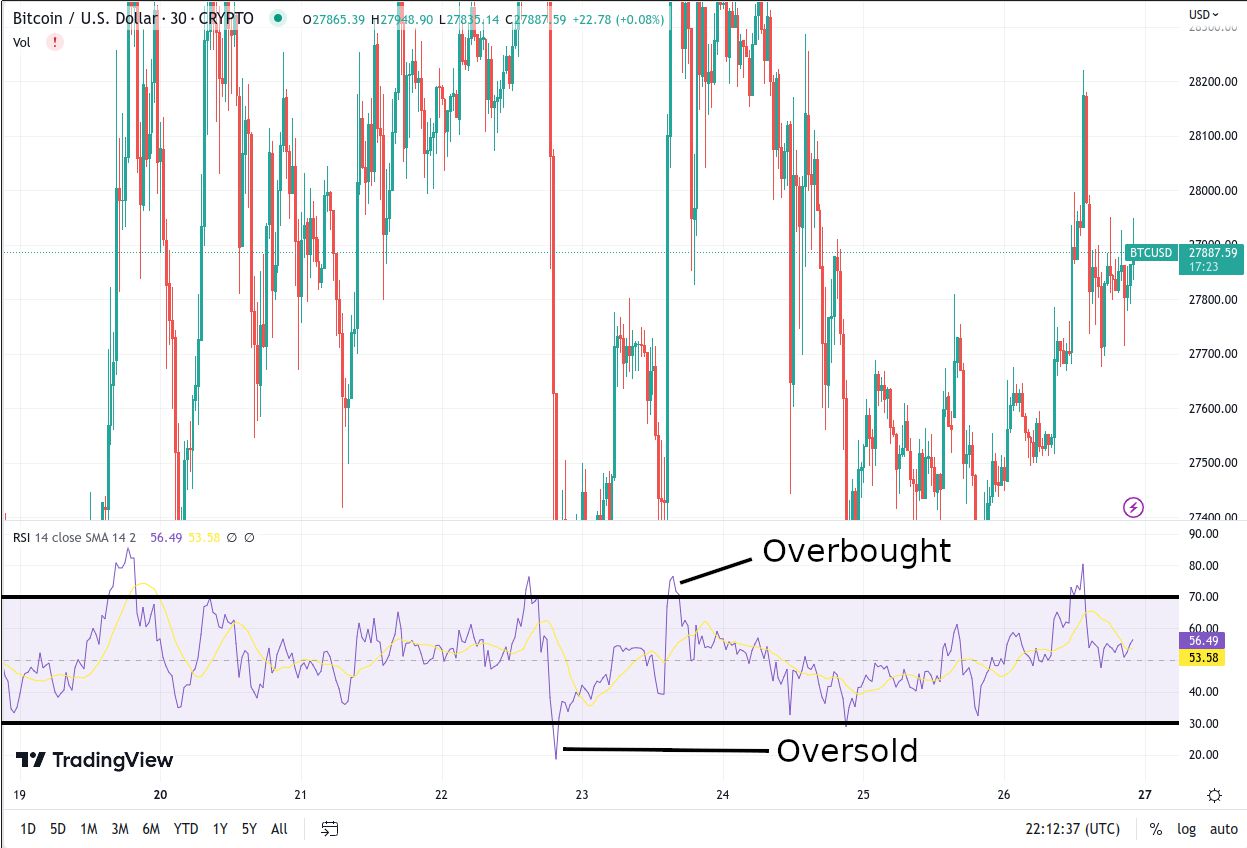
Market psychology plays a significant role in cryptocurrency trading. Technical analysis helps investors gauge market sentiment by analyzing trading patterns and price levels. Recognizing when the market is overbought or oversold can provide valuable insight into future price movements.
4. Risk Management
Risk management is a vital aspect of successful trading. Technical analysis can assist in setting stop-loss and take-profit levels based on price levels identified during analysis, thereby helping traders manage risks more effectively.
Key Components of Technical Analysis
To utilize technical analysis effectively in your cryptocurrency investments, it’s crucial to understand its fundamental components. Here, we’ll look at some of the key elements that every trader should familiarize themselves with.
1. Price Charts
Charts are the foundation of technical analysis, providing a visual representation of an asset’s price movements over time. There are several chart types commonly used in technical analysis, including line charts, bar charts, and candlestick charts. Among these, candlestick charts are particularly popular due to the level of detail they provide.
A candlestick chart includes information about the opening, closing, high, and low prices during a specific time period, offering insights into market trends and potential reversals.
2. Trend Lines
Trend lines are straight lines that connect price points on a chart, helping traders identify upward or downward trends. An uptrend is indicated by a series of higher highs and higher lows, while a downtrend features lower highs and lower lows. Recognizing trends is crucial for determining trading strategies, as traders often look to buy in an uptrend and sell in a downtrend.
3. Support and Resistance Levels
Support and resistance levels are key concepts in technical analysis. Support is a price level where buying pressure is strong enough to prevent the price from falling further, while resistance is a level where selling pressure is sufficient to stop the price from rising.
These levels can be identified through historical price data, and they play a significant role in helping traders make informed decisions. For example, if a price approaches a known support level, it may be a good time to buy, while reaching a resistance level could signal an opportunity to sell.

- Overcome negative thought patterns, reduce stress, and live a worry-free life
- Overthinking is the biggest cause of unhappiness
- Don't get stuck in a never-ending thought loop
- Stay present and keep your mind off things that don't matter, and never will
- Break free of your self-imposed mental prison
4. Indicators
Technical indicators are mathematical calculations based on price and volume data, designed to provide insights into market behavior. Some of the most popular indicators include:
-
Moving Averages: These smooth out price data to identify trends over specific periods. The most common types are the Simple Moving Average (SMA) and the Exponential Moving Average (EMA).
-
Relative Strength Index (RSI): This momentum oscillator measures the speed and change of price movements, helping traders identify overbought or oversold conditions.
-
Moving Average Convergence Divergence (MACD): This trend-following momentum indicator shows the relationship between two moving averages of an asset’s price, helping traders identify potential buy and sell signals.
5. Chart Patterns
Chart patterns are formations created by the price movements on a chart. Recognizing these patterns can help traders predict future price movements. Common chart patterns include:
-
Head and Shoulders: Indicating a potential trend reversal.
-
Double Top and Double Bottom: Signifying potential reversal points.
-
Triangles: Suggesting continuation or reversal of trends.
Applying Technical Analysis to Cryptocurrency Investments
Now that we understand the basic components of technical analysis, let’s focus on how you can apply this knowledge effectively within the cryptocurrency market.
1. Choose the Right Tools
Before diving into technical analysis, it’s important to choose the right tools. Numerous trading platforms and software offer extensive charting capabilities and analysis tools. Some popular platforms among cryptocurrency traders include TradingView, Binance, and Coinigy.
2. Learn to Read Charts
Developing chart-reading skills is paramount. Spend time analyzing various cryptocurrencies to familiarize yourself with their price movements, volume trends, and patterns. The more you practice, the more proficient you’ll become at spotting potential opportunities.
3. Combine Indicators for Better Signals
While using single indicators can provide valuable insights, combining multiple indicators can yield more reliable signals. For example, pairing RSI with moving averages can provide confirmation of trends or potential reversals.
4. Stay Updated on Market News
Although technical analysis focuses on price data, it’s essential to stay informed about market news and events that may impact cryptocurrency prices. Major developments in the cryptocurrency landscape can lead to rapid price fluctuations that may disrupt patterns. Understanding the context behind price movements is critical.
5. Practice Risk Management
Technical analysis provides a framework for managing risk effectively. Once you’ve identified potential entry and exit points using support and resistance levels, set your stop-loss and take-profit orders accordingly. A disciplined approach to risk management will help you navigate the unpredictable nature of cryptocurrency markets.
6. Keep a Trading Journal
Maintaining a trading journal can enhance your trading discipline and decision-making skills. Document your trades, including the rationale behind each trade, the indicators you used, and the outcomes. Over time, this journal can help identify patterns in your trading behavior and improve future performance.
7. Continuously Educate Yourself
Technical analysis is an evolving discipline, and ongoing education is vital for success. Stay updated with the latest articles, courses, and webinars to enhance your knowledge and improve your trading strategies.
Conclusion
Technical analysis is a powerful tool for navigating the complex world of cryptocurrency investments. By understanding its components, applying best practices, and continuously educating yourself, you can enhance your trading skills and potentially increase your investment success.
Whether you’re a novice or an experienced investor, incorporating technical analysis into your cryptocurrency trading strategy can provide you with the insights needed to make informed decisions and capitalize on market opportunities. Remember, the key to success lies in practice, perseverance, and a willingness to learn in the dynamic world of cryptocurrency. Happy trading!


