
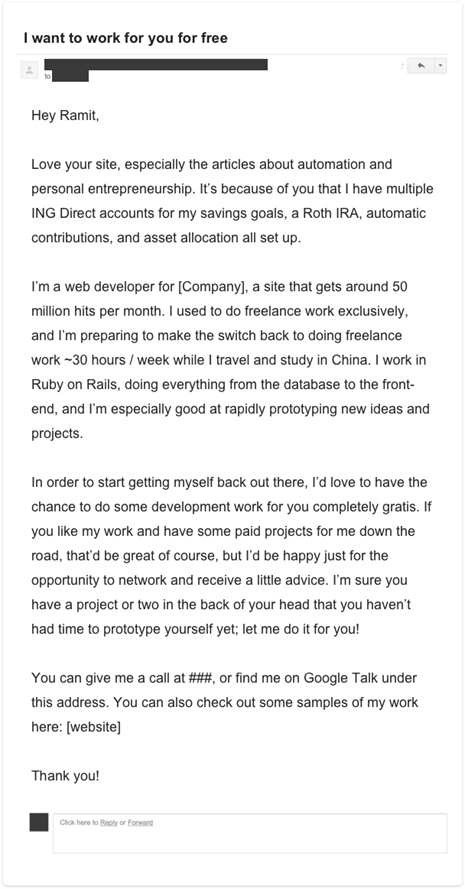
How to Type a Formal Email to Ask Information: A Step-by-step Guide
Are you struggling to write a formal email to ask information from someone or a company? Do you want to know the best way to structure your email to get the response you need? Look no further! In this article, we will guide you through the process of writing a formal email to ask information in English.
The Importance of Writing a Formal Email
When it comes to asking for information from someone or a company, it’s essential to write a formal email. A well-structured and professional email shows that you respect the person or company’s time and are serious about getting the information you need.
Step 1: Type The Object of Your Email
The first step in writing a formal email is to type the object of your email. The object should be brief and clearly state why you’re sending the email. For example, “Information Regarding Last Night’s Meeting” or “Required Information on the Company.”
Step 2: Include an Introduction
After typing the object of your email, include an introduction that sets the tone for the rest of the email. Use a formal greeting such as “Dear Mr./Ms./Mrs./Sir/Madam” and make sure to address the person by their correct title.
Step 3: Write The Body of Your Email
The body of your email should clearly state why you’re asking for information and what specific details you need. Be concise and avoid using jargon or technical terms that may confuse the recipient.
Step 4: End With a Professional Greeting
When ending your email, use a professional greeting such as “Sincerely” or “Kind Regards.” Make sure to include your full name and contact information so the recipient can easily get back to you.
Tips For Writing a Formal Email in English
Writing a formal email in English requires attention to detail and a clear understanding of the language. Here are some tips to keep in mind:
- Use proper grammar and spelling.
- Keep your sentences concise and clear.
- Avoid using jargon or technical terms.
- Use a professional tone throughout the email.
- Include relevant details such as dates, times, and locations.
Common Mistakes to Avoid
When writing a formal email, there are several common mistakes to avoid. Here are some of the most common mistakes:
- Using informal language or slang.
- Not addressing the recipient by their correct title.
- Not including necessary details such as dates, times, and locations.
- Not proofreading your email for grammar and spelling errors.
Conclusion
Writing a formal email to ask information is an essential skill in today’s digital age. By following these simple steps and tips, you can write a well-structured and professional email that gets the response you need.
Frequently Asked Questions (FAQs)
Q: What should I include in the object of my email?
A: The object should be brief and clearly state why you’re sending the email.
Q: How should I address the recipient in my email?
A: Use a formal greeting such as “Dear Mr./Ms./Mrs./Sir/Madam” and make sure to address the person by their correct title.
Q: What should I include in the body of my email?
A: Clearly state why you’re asking for information and what specific details you need.
Q: How should I end my email?
A: Use a professional greeting such as “Sincerely” or “Kind Regards.”
Q: What are some common mistakes to avoid when writing a formal email?
A: Using informal language or slang, not addressing the recipient by their correct title, and not including necessary details such as dates, times, and locations.
Q: How can I ensure my email is well-structured and professional?
A: Use proper grammar and spelling, keep your sentences concise and clear, and avoid using jargon or technical terms.
Q: What should I include in my signature?
A: Include your full name and contact information so the recipient can easily get back to you.
Q: How can I make sure my email is easy to read and understand?
A: Use a clear and concise writing style, and break up long paragraphs into shorter ones.


