
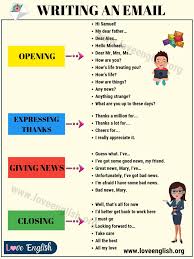
How to Type a Mail: A Comprehensive Guide
Are you struggling to compose a mail that is both effective and professional? Look no further! This article will guide you through the process of typing a mail, covering both formal and informal scenarios.
Understanding The Purpose of a Mail
Before we dive into the nitty-gritty of typing a mail, it’s essential to understand its purpose. A mail is a written communication that serves as a means of conveying information, expressing thoughts, or requesting actions. Whether you’re writing to a client, colleague, or professor, the tone and content of your mail should be tailored to the recipient.
Formal Mail: The Art of Being Professional
When typing a formal mail, it’s crucial to adopt a professional tone and adhere to certain rules. Here are some key points to consider:
- Introduction: Begin with a greeting that addresses the recipient by their title (e.G., Mr./Ms./Mrs./Dr.) Followed by their surname.
- Body: Keep the body concise, clear, and well-structured. Avoid jargon and technical terms unless necessary.
- Conclusion: End with a professional closing, such as “Thank you for your time” or “Sincerely.”
- Signature: Sign off with your name and title (if applicable).
Informal Mail: The Ease of Being Friendly
In contrast to formal mails, informal ones are more relaxed and conversational. Here’s how to type an informal mail:
- Introduction: Start with a friendly greeting, such as “Hi” or “Hello.”
- Body: Keep the body light-hearted and easy to read. Use colloquial expressions and contractions if you feel comfortable doing so.
- Conclusion: End with a casual closing, like “Cheers” or “Best regards.”
- Signature: Sign off with your name only.
Tips For Typing a Mail in English
If you’re not fluent in English, don’t worry! Here are some tips to help you type a mail:
- Use simple language and avoid complex sentences.
- Proofread your mail multiple times to catch any grammar or spelling errors.
- Consider using online translation tools if needed.
Additional Tips For Specific Scenarios
- Typing an Email to a Professor: Be formal, clear, and concise in your request. Use a polite tone and avoid being too pushy.
- Typing an Email For a Colloquium or Work Appointment: Be professional, respectful, and clear about the purpose of your email.
Conclusion
Typing a mail may seem daunting at first, but with practice and patience, you’ll become more confident in your abilities. Remember to tailor your tone and content to the recipient, and don’t be afraid to ask for help if needed.
Here are eight FAQs related to typing a mail:
- What is the purpose of a mail?
- A mail serves as a means of conveying information, expressing thoughts, or requesting actions.
- How do I type a formal mail?
- Begin with a greeting that addresses the recipient by their title followed by their surname. Keep the body concise and clear.
- How do I type an informal mail?
- Start with a friendly greeting, keep the body light-hearted, and end with a casual closing.
- What are some tips for typing a mail in English?
- Use simple language, proofread multiple times, and consider using online translation tools if needed.
- How do I type an email to a professor?
- Be formal, clear, and concise in your request. Use a polite tone and avoid being too pushy.
- How do I type an email for a colloquium or work appointment?
- Be professional, respectful, and clear about the purpose of your email.
- What is the significance of using proper grammar and punctuation in a mail?
- Proper grammar and punctuation ensure that your message is conveyed clearly and effectively, avoiding any misunderstandings or misinterpretations.
- How can I make sure my mail is well-structured and easy to read?
- Use headings, bullet points, and short paragraphs to break up the content and improve readability.


