
Are you planning to travel abroad or communicate with friends, colleagues, or professors who speak English? Typing an email in English can seem daunting, but don’t worry! This guide will walk you through the basics of typing a mail in English, whether it’s formal or informal.
Understanding Email Types
Before we dive into the specifics, let’s understand the two main types of emails: Formal and informal. Formal emails are used for official purposes, such as business communication, while informal emails are used for personal relationships, like chatting with friends.
Formal Emails: The Basics
When typing a formal email in English, it’s essential to follow certain guidelines:
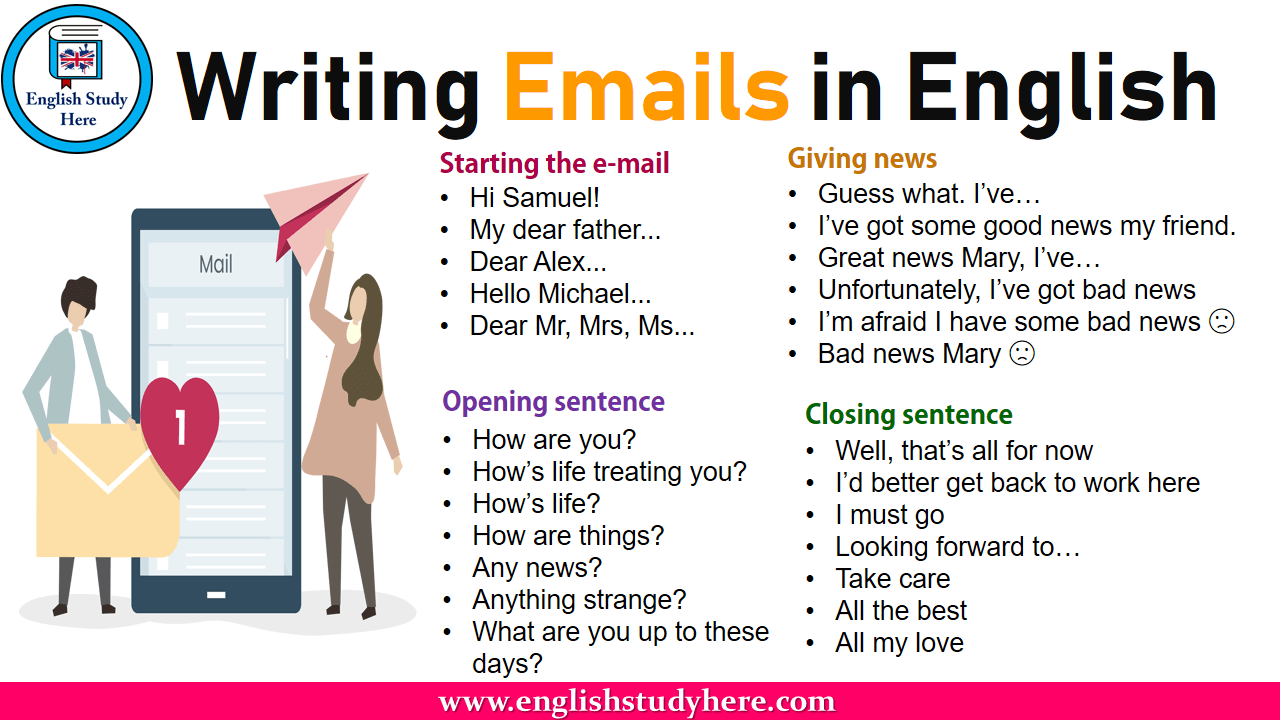
Greet The Addressee Properly
- Use “Dear Mr./Mrs./Ms. [Last Name]” or “To Whom It May Concern” for formal emails.
- For example: “Dear Mr. Smith,” or “To Whom It May Concern,.”
Introduce Yourself
- Start with a brief introduction, stating your name and purpose.
- For instance: “My name is [Your Name], and I am writing to [state the reason].”
Body of The Email
- Keep the body concise and clear.
- Use proper grammar and spelling.
Closing
- End with a formal closing, such as “Sincerely” or “Best regards.”
- Add your signature below the closing.
Informal Emails: The Basics
When typing an informal email in English, you can be more relaxed:
Greet The Friend Properly
- Use colloquial formulas like “Hi,” “Hello,” or “Hey” followed by the friend’s name.
- For example: “Hi John,” or “Hey Maria.”
Introduce Yourself
- Start with a brief introduction, sharing your news or thoughts.
- For instance: “It was great to hear from you. I hope you’re enjoying your holiday.”
Body of The Email
- Keep the body concise and conversational.
- Use proper grammar and spelling.
Closing
- End with an informal closing, such as “Thanks again” or “Take care.”
- Add a personal touch, like “Hugs and kisses” or “Best wishes.”
Typing a Mail in English to a Hotel
When booking a hotel room abroad, it’s essential to type a mail in English:
Greet The Hotel Properly
- Use “Dear [Hotel Name]” or “Kind [Hotel Name].”
- For example: “Dear Hotel Europe,” or “Kind Hotel Central.”
Body of The Email
- State your name and purpose.
- Specify the room type, dates of stay, and any special requests.
Closing
- End with a formal closing, such as “Sincerely” or “Best regards.”
- Add your signature below the closing.
Typing a Mail in English to a Friend
When communicating with friends abroad, you can be more relaxed:
Greet The Friend Properly
- Use colloquial formulas like “Hi,” “Hello,” or “Hey” followed by the friend’s name.
- For example: “Hi John,” or “Hey Maria.”
Body of The Email
- Share your news, thoughts, and experiences.
- Keep the body concise and conversational.
Closing
- End with an informal closing, such as “Thanks again” or “Take care.”
- Add a personal touch, like “Hugs and kisses” or “Best wishes.”
Typing a Mail in English to a Professor
When communicating with professors abroad, it’s essential to be formal:
Greet The Professor Properly
- Use “Dear Dr. [Last Name]” or “Kind Professor [Last Name].”
- For example: “Dear Dr. Smith,” or “Kind Professor Johnson.”
Body of The Email
- Introduce yourself and state your purpose.
- Keep the body concise and clear.
Closing
- End with a formal closing, such as “Sincerely” or “Best regards.”
- Add your signature below the closing.
Conclusion
Typing a mail in English may seem daunting at first, but by following these guidelines, you’ll be able to communicate effectively with friends, colleagues, and professors abroad. Remember to keep it concise, clear, and respectful, whether it’s formal or informal.
Frequently Asked Questions (FAQs)
- What Are The Basic Rules For Typing a Mail in English?
The basic rules include greeting the addressee properly, introducing yourself, keeping the body concise and clear, and ending with an appropriate closing.
- How do I Greet Someone Formally in an Email?
Use “Dear Mr./Mrs./Ms. [Last Name]” or “To Whom It May Concern” for formal emails.
- What is The Difference Between a Formal And Informal Email?
A formal email is used for official purposes, while an informal email is used for personal relationships.
- How do I Greet Someone Informally in an Email?
Use colloquial formulas like “Hi,” “Hello,” or “Hey” followed by the person’s name.
- What Are Some Common Phrases to Use When Typing a Mail in English to a Hotel?
Use “Dear [Hotel Name]” or “Kind [Hotel Name],” and state your name, purpose, room type, dates of stay, and any special requests.
- How do I Greet Someone Who is a Professor in an Email?
Use “Dear Dr. [Last Name]” or “Kind Professor [Last Name].”
- What Are Some Common Phrases to Use When Typing a Mail in English to a Friend?
Share your news, thoughts, and experiences, and end with an informal closing like “Thanks again” or “Take care.”
- How do I Ensure That my Email is Clear And Concise?
Keep the body brief, use proper grammar and spelling, and avoid jargon.
- What Are Some Common Mistakes to Avoid When Typing a Mail in English?
Avoid using abbreviations, acronyms, or slang, and proofread your email carefully before sending it.
- How do I Show Respect And Politeness in an Email?
Use formal greetings and closings, introduce yourself properly, and keep the tone respectful and courteous.
By following these guidelines and avoiding common mistakes, you’ll be able to type a mail in English that is clear, concise, and respectful. Happy emailing!


