
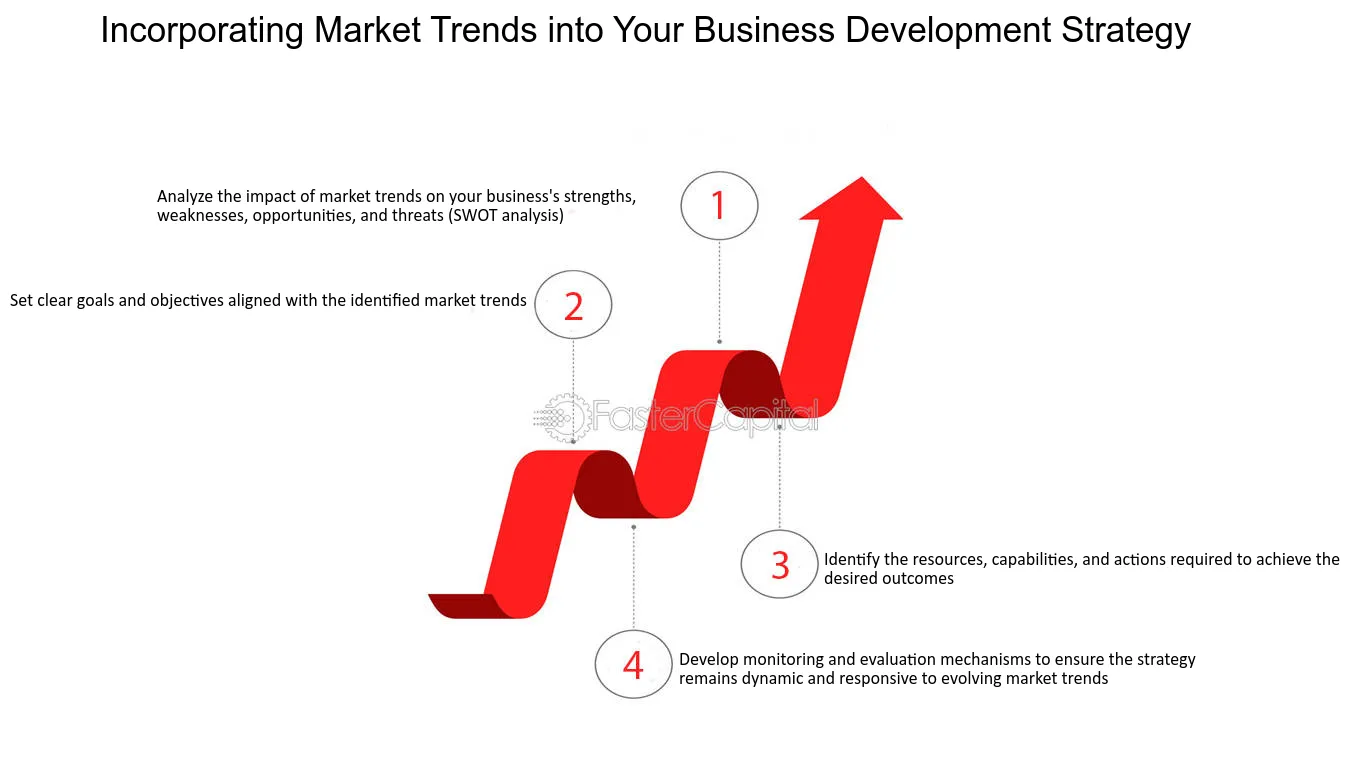
In the fast-paced world of Software as a Service (SaaS), understanding market trends is crucial to ensuring business success. Have you ever wondered how to effectively incorporate market trends into your SaaS business plan? In this article, we’ll delve into this very question, offering you a roadmap for leveraging shifting customer needs, emerging technologies, and competitive dynamics. Whether you’re a startup founder or an established business looking to adapt, integrating current market trends into your strategy can lead to sustained growth and improved customer satisfaction.
Understanding Market Trends
Before diving into your business plan, it’s crucial to grasp what market trends are. Essentially, market trends denote the general direction in which a market is moving. They can include shifts in consumer behavior, technological advancements, regulatory changes, and competitive strategies. Understanding these trends can help you anticipate customer needs and position your SaaS product accordingly.
Why Market Trends Matter for Your SaaS Business
-
Competitive Advantage: By staying ahead of market trends, you can outperform competitors who may be slow to adapt.
-
Customer Satisfaction: Aligning your offerings with current market needs enhances customer satisfaction, leading to increased retention.
-
Risk Mitigation: Anticipating trends allows you to identify potential threats to your business and mitigate risks.
-
Innovation and Growth: Understanding market dynamics fosters innovation, crucial for growth in the competitive SaaS landscape.
Analyzing Current Market Trends in the SaaS Landscape
To successfully incorporate market trends into your SaaS business plan, you first need to identify and analyze relevant trends. Here are some key trends to consider as of 2023:
1. Increased Demand for Remote Collaboration Tools
As businesses continue to embrace remote work, there is a growing demand for collaboration tools that facilitate communication and project management. SaaS companies that offer innovative solutions in this area stand to benefit. Consider how your product can enhance the user experience in terms of usability, security, and features.
2. Artificial Intelligence and Automation
AI is no longer a futuristic concept; it’s a reality that’s transforming the SaaS industry. Businesses are seeking tools that incorporate AI to streamline processes, provide insights, and enhance customer experiences. Whether it’s through chatbots, predictive analytics, or personalized marketing, incorporating AI into your features can set you apart from competitors.
3. Focus on Customer Experience
Today, customer experience (CX) is paramount. SaaS solutions that offer exceptional user experiences through personalization and easy navigation are more likely to succeed. Analyze current market trends and think about how you can optimize your product to enhance CX.
4. Subscription Model Evolution
The subscription economy is constantly evolving. Potential customers are looking for flexible pricing models that cater to their needs. Consider implementing tiered pricing structures, usage-based pricing, or freemium models to attract a broader customer base.
5. Security and Compliance
With the rise in cyber threats, security has become a top priority for SaaS companies. Customers want reassurance that their data is safe. Ensure that your SaaS product incorporates robust security measures and complies with industry regulations.
Steps to Integrate Market Trends into Your SaaS Business Plan
Now that you understand some current trends, let’s discuss how to effectively integrate them into your SaaS business plan. Follow these steps to ensure that your plan is not only relevant but also proactive.
1. Conduct Thorough Market Research
Before anything, conduct thorough market research to gather quantitative and qualitative data on existing trends. Utilize surveys, focus groups, online analytics, and industry reports to grasp what is happening in your sector.
Tools to Use:
- Surveys: Use tools like SurveyMonkey to gather feedback on customer needs.
- Data Analytics: Platforms like Google Analytics can help you track user behavior and preferences.
- Trend Analysis Tools: Consider tools like BuzzSumo or SEMrush to monitor industry trends.

- Overcome negative thought patterns, reduce stress, and live a worry-free life
- Overthinking is the biggest cause of unhappiness
- Don't get stuck in a never-ending thought loop
- Stay present and keep your mind off things that don't matter, and never will
- Break free of your self-imposed mental prison
2. Define Your Target Audience
Understanding your target audience is crucial for tailoring your offerings. Create detailed buyer personas that reflect your ideal customer segments. Include demographic data, goals, challenges, and purchasing behaviors. This information will guide your product development and marketing strategies.
3. SWOT Analysis
Conduct a SWOT (Strengths, Weaknesses, Opportunities, Threats) analysis to evaluate your position relative to current market trends. Identify:
- Strengths: What advantages does your SaaS product have over competitors?
- Weaknesses: Where can you improve?
- Opportunities: Which market trends can you capitalize on?
- Threats: What external factors could jeopardize your success?
4. Align Your Product Development
Incorporate the insights gained from your market research and SWOT analysis into your product development lifecycle. If there’s a demonstrated need for AI integration, prioritize tasks that focus on this. Be agile, allowing for iterations based on feedback and trends.
5. Develop Robust Marketing Strategies
Market trends should also inform your marketing strategies. Tailor your messaging to reflect current trends. Utilize channels that resonate with your target audience, whether it’s social media, content marketing, or email campaigns. Highlight how your product meets current market needs or addresses pain points.
6. Monitor and Adapt
Incorporating trends isn’t a one-time task. Continuous monitoring of market dynamics is essential. Regularly analyze key performance indicators (KPIs) to determine what’s working and what’s not. Be prepared to adapt your strategy as trends evolve.
Case Studies: Successful SaaS Companies and Trend Incorporation
To illustrate the benefits of incorporating market trends into your business plan, let’s look at a few successful SaaS companies:
Salesforce
Salesforce’s success largely stems from its ability to adapt to market trends. By transitioning to a cloud-based model when cloud computing began to gain traction, Salesforce positioned itself as a leader in customer relationship management (CRM). Their commitment to leveraging AI through products like Einstein demonstrates their proactive approach to emerging technologies.
Slack
Slack’s rise in popularity can be linked to the increasing need for remote collaboration tools. By continuously iterating on user feedback and adapting to the needs of its users, Slack has grown to become a staple in the workplace. Their focus on customer experience has led to high user engagement and retention rates.
Zoom
Initially offering video conferencing solutions for businesses, Zoom quickly adapted to the surge in remote work during the COVID-19 pandemic. They incorporated features that catered specifically to users’ needs— from virtual backgrounds to breakout rooms. Their ability to scale and innovate on the fly has solidified their market position.
Conclusion
Incorporating market trends into your SaaS business plan is not just an option—it’s a necessity. Understanding these trends and integrating them allows you to remain competitive, meet customer demands, and stimulate growth. By conducting thorough market research, developing tailored marketing strategies, and adapting based on feedback, you can ensure that your SaaS product not only survives but thrives in a rapidly evolving landscape.
Armed with this comprehensive understanding of market trends, you can confidently navigate the complexities of the SaaS industry and achieve your business goals. Remember, the key lies in being agile, innovative, and customer-focused. With the right approach, your SaaS business can not only keep up with market shifts but also set new trends, paving the way for the future.
Now that you have a roadmap, it’s your turn. How will you incorporate market trends into your SaaS business plan? The journey starts today.


