
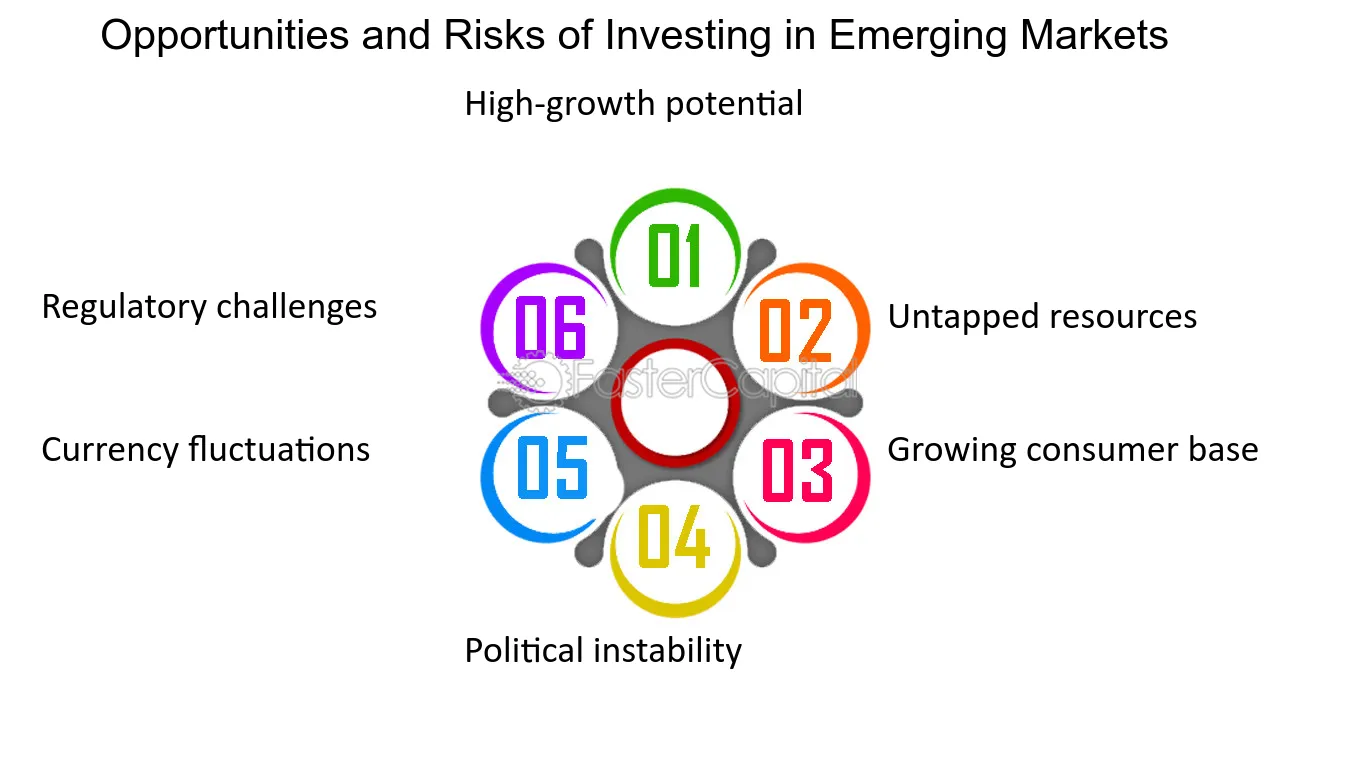
When considering the dynamic world of investments, many investors intentionally turn their attention to emerging markets. These regions, often characterized by rapid economic growth, increasing industrialization, and an evolving middle class, have become hotbeds for opportunities. However, alongside the promise of high returns lie significant risks. In this article, we’ll explore the opportunities and risks associated with investing in emerging markets, helping potential investors navigate this complex landscape.
What Are Emerging Markets?
Emerging markets refer to economies that are in transition from being low-income, less developed countries to becoming more advanced, usually through industrialization and modernization. Examples of emerging markets include nations such as Brazil, India, China, Mexico, and South Africa. These markets exhibit certain characteristics that distinguish them from developed markets:
– Rapid Economic Growth: Emerging markets often experience higher GDP growth rates than developed economies.
– Developing Infrastructure: Investments in infrastructure are usually needed to support industrial growth and urbanization.
– Increasing Consumer Base: A growing middle class often leads to increased consumer spending, providing opportunities for businesses.
Why Invest in Emerging Markets?
1. High Growth Potential
Investing in emerging markets can lead to higher returns compared to developed markets, primarily due to their rapid economic growth. These economies tend to expand faster and offer significant opportunities for capital appreciation. Companies in these regions can tap into previously underexploited markets, creating lucrative avenues for growth.
2. Diversification
For many investors, having a diversified portfolio is key to mitigating risks. Emerging markets allow investors to diversify geographically and gain exposure to different economic environments. When developed markets experience downturns, emerging markets may behave differently and provide a counterbalance to portfolio volatility.
3. Access to Untapped Resources
Emerging markets often have abundant natural resources that are yet to be fully harnessed. Investing in sectors such as energy, mining, and agriculture can offer opportunities as demand for these resources grows due to globalization and urbanization.
4. Demographic Shifts
A youthful population is common in many emerging markets, leading to a growing workforce that can drive economic growth. This demographic advantage can positively impact consumer spending patterns and stimulate further investment in these economies.
5. Technological Leapfrogging
Many emerging markets have embraced technology and the digital economy at a rapid pace. From mobile banking in Africa to e-commerce platforms in Southeast Asia, these countries are often skipping traditional stages of development and advancing directly to innovative solutions.
What Are the Risks of Investing in Emerging Markets?
While the potential rewards are appealing, investing in emerging markets is not without its challenges. Investors need to weigh these risks before diving in.
1. Political Risk
Political instability is a significant concern in many emerging markets. Changes in government policies, corruption, civil unrest, or even drastic shifts in leadership can all impact investments. Investors should stay informed of local political climates and potential changes that may affect their investments.
2. Economic Volatility
Emerging markets are often susceptible to economic fluctuations. Their economies may be more prone to booms and busts compared to developed markets. Factors like currency devaluation, inflation, and fluctuating commodity prices can significantly impact the economic landscape.

- Overcome negative thought patterns, reduce stress, and live a worry-free life
- Overthinking is the biggest cause of unhappiness
- Don't get stuck in a never-ending thought loop
- Stay present and keep your mind off things that don't matter, and never will
- Break free of your self-imposed mental prison
3. Regulatory Challenges
The legal and regulatory framework in emerging markets can be less predictable and stable than in developed nations. Investors may encounter hurdles related to government policies, foreign ownership restrictions, or a lack of stringent legal protections for their investments.
4. Market Liquidity
Some emerging markets may not have the same level of liquidity as developed markets, making it harder for investors to buy or sell assets without impacting their price. This liquidity risk can create challenges when attempting to realize gains or exit positions.
5. Cultural Differences
Cultural barriers can also present challenges. Language differences, business customs, and regional practices can complicate investments. Investors must take the time to understand the local culture, seeking local partnerships when necessary to navigate these challenges effectively.
How to Invest in Emerging Markets
1. Direct Investment
Investing directly in companies, real estate, or infrastructure projects in emerging markets can yield high returns. However, this method requires significant research and due diligence. Investors should aim to understand local industry trends and select companies with solid fundamentals.
2. Mutual Funds and ETFs
For those interested in diversification without the hands-on management, mutual funds and Exchange-Traded Funds (ETFs) provide an excellent way to invest in a basket of securities from multiple emerging markets. These funds often have professional management and can lessen the direct risks associated with individual investments.
3. Investing through Global Corporations
Another route is investing in multinational corporations that have significant operations in emerging markets. These companies may have established infrastructures and partnerships in the region, allowing investors to share in their growth without directly exposing themselves to individual market risks.
4. Consulting with Experts
When considering investments in emerging markets, it can be beneficial to consult with financial advisors or analysts who specialize in these regions. Experts can provide valuable insights and guidance based on market trends and conditions.
Conclusion: Are You Ready to Invest in Emerging Markets?
Investing in emerging markets offers a tantalizing mix of potential growth and inherent risks. While the possibilities for high returns are compelling, investors need to conduct thorough research and be prepared for heightened volatility. Understanding the unique dynamics of these markets—political landscapes, economic factors, regulatory environments, and cultural attributes—is crucial for making informed investment decisions.
As you evaluate opportunities in emerging markets, remember that a balanced approach is vital. Diversifying your investment portfolio, maintaining an awareness of market conditions, and being adaptable to change can position you for success in these vibrant yet challenging regions. By taking measured steps, you can unlock the potential of investing in emerging markets while navigating the accompanying risks effectively.
Whether you’re a seasoned investor or just getting started on your investment journey, the world of emerging markets beckons with promise. Embrace the adventure, and you’ll find opportunities that could lead to rewarding financial outcomes!


