
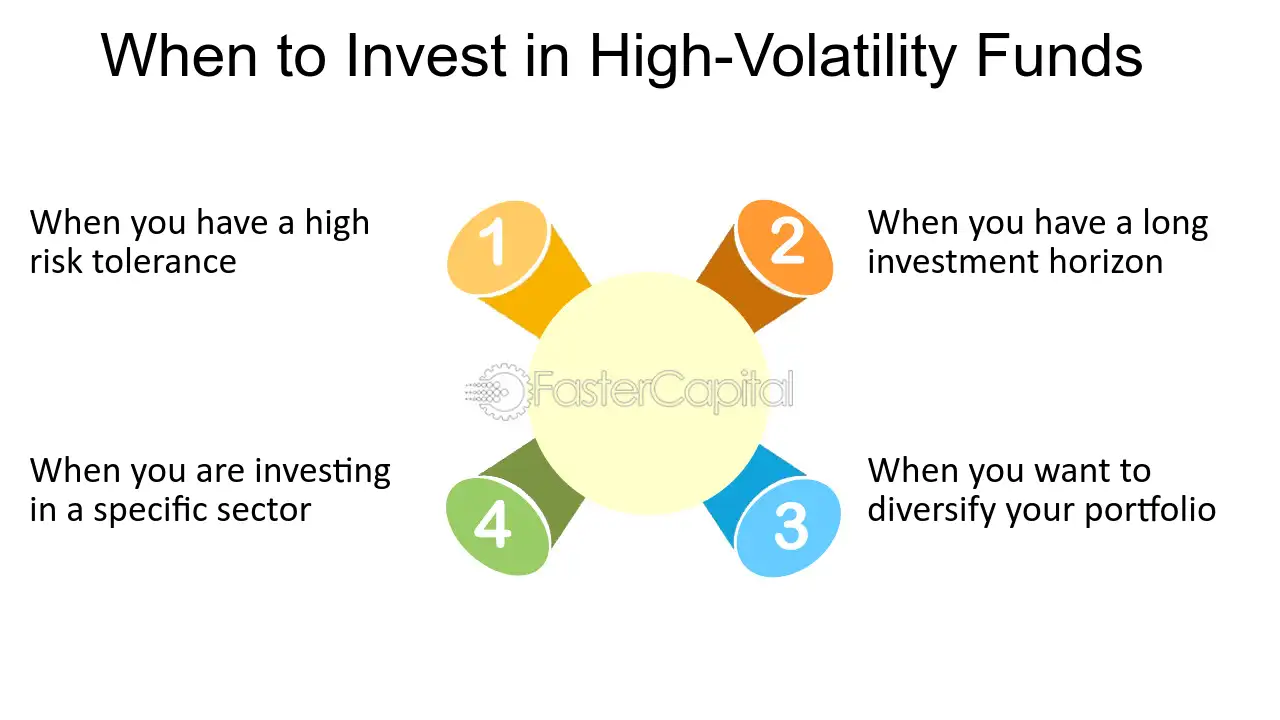
Investing in high-risk assets can be both exhilarating and nerve-wracking. With the potential for higher returns often comes the danger of greater losses, making it essential for investors to adopt effective strategies for managing volatility. In this guide, we’ll explore the intricacies of high-risk investments, why they captivate so many engineers, and provide actionable tips on how to balance thrill and caution as you venture into this investment arena.
Understanding High-Risk Assets
High-risk assets are financial instruments that exhibit increased volatility and a potential for significant losses. Common examples include:
- Stocks: Particularly those in emerging markets or low-cap companies.
- Cryptocurrencies: Known for dramatic price shifts and regulatory uncertainties.
- Real Estate: Investments in distressed properties or markets with fluctuating values.
- Commodities: Assets like oil or gold that can be heavily affected by geopolitical events and market speculation.
- Venture Capital: Investments in startups that, while potentially lucrative, carry a high risk of failure.
While these asset classes can offer the allure of high returns, they also require meticulous attention to market conditions and personal risk tolerance.
The Appeal of High-Risk Investments
Understanding the inherent risks in these investments is essential as it allows you to see why they are so appealing. Here are a few reasons why investors seem drawn to high-risk assets:
The Potential for High Returns
At the heart of high-risk investing is the promise of high rewards. History is replete with stories of individuals who achieved monumental gains from a single stock or venture. For many investors, the thrill of scoring a massive return can outweigh the fear of loss.
Diversification of Portfolio
Adding high-risk assets to a diversified portfolio can potentially enhance overall returns. By investing in different asset classes, such as stocks, bonds, and commodities, you can balance your risk exposure and potentially mitigate losses.
Market Trends and Innovations
With the rise of technology and globalization, investors are presented with many new opportunities that weren’t available in previous decades. The accessibility of information and investment platforms allows for a more informed investment approach, attracting those who are keen to venture into new and exciting markets.
The Excitement Factor
For many investors, the thrill of watching stock prices fluctuate or cryptocurrencies shoot up and crash down can be an exhilarating experience. The emotional high that comes from making informed decisions and predicting market movements attracts individuals seeking excitement alongside profit.
Risks Associated with High-Risk Investments
While the allure of high-risk assets is evident, it’s equally critical to be acutely aware of the potential pitfalls. Here are some risks associated with high-reward investments:
Market Volatility
High-risk assets are often subject to rapid price changes due to a variety of factors, including economic conditions, interest rates, market sentiment, and political events. This volatility can lead to sharp losses.
Lack of Regulation
Particularly in emerging markets or non-traditional asset classes (like cryptocurrencies), regulatory frameworks can be weak or nonexistent. This lack of oversight creates opportunities for fraud, mismanagement, and other risks that can lead to substantial losses.
Emotional Decision-Making
The volatility associated with high-risk investing can lead to emotional decision-making. Fear and greed can cloud judgment, resulting in impulsive trading strategies that can compound losses.
Limited Information
In many high-risk investments, particularly startups or commodities, detailed information may be scarce. Insufficient data can lead to poor investment decisions based on speculation rather than solid research.
Strategies for Managing Volatility in High-Risk Investing
The key to successful high-risk investments lies in a well-structured strategy that considers risk management and emotional discipline. Here are some practical tips for navigating investment volatility while maximizing your potential for gains.

- Overcome negative thought patterns, reduce stress, and live a worry-free life
- Overthinking is the biggest cause of unhappiness
- Don't get stuck in a never-ending thought loop
- Stay present and keep your mind off things that don't matter, and never will
- Break free of your self-imposed mental prison
1. Establish Clear Investment Goals
Start by defining your investment goals clearly. Ask yourself why you’re investing in high-risk assets. Is it for short-term gains, long-term wealth accumulation, or diversification? Understanding your objectives will help tailor your strategies and maintain focus during turbulent market conditions.
2. Assess Your Risk Tolerance
Before diving into high-risk investments, assess your overall risk tolerance. Identify how much volatility you can handle emotionally and financially. The rule of thumb is to only invest money you can afford to lose without affecting your lifestyle.
3. Diversify Strategically
While diversifying investments is fundamental to risk management, it’s crucial to do so strategically. Avoid putting all your capital into one high-risk investment. Instead, choose a mix of asset classes to reduce the overall risk in your portfolio. Utilize different sectors and geographical regions to further mitigate potential losses.
4. Stay Informed
Stay updated on market trends, economic indicators, and global events that might affect your investments. The more information you have, the better equipped you’ll be to make informed decisions. Consider subscribing to newsletters, attending webinars, and following credible financial news outlets to keep your knowledge current.
5. Use Stop-Loss Orders
To combat the emotional aspect of investing, use stop-loss orders to set predefined exit points for your investments. These automatic sell orders can prevent excessive losses by triggering a sell when asset prices drop to a certain level, taking some of the psychological stress out of decision-making.
6. Focus on Long-Term Trends
While high-risk assets often experience significant short-term volatility, focusing on long-term trends can provide a more stable investment outlook. Look for rising industries or technologies that have the potential for solid growth over several years, even if they encounter short-term volatility.
7. Implement Dollar-Cost Averaging
Dollar-cost averaging involves investing a fixed amount of money at regular intervals, regardless of the asset’s price. This strategy helps mitigate the effects of volatility because it allows you to buy more shares when prices are low and fewer shares when prices are high, ultimately reducing the average cost of your investments.
8. Regularly Review and Rebalance Your Portfolio
Regularly reviewing and rebalancing your portfolio is essential to ensure that your investment strategy aligns with your goals and risk tolerance. As markets change, a particular asset class may grow disproportionately in your portfolio. Rebalancing helps you maintain your desired allocation and avoid overexposure to any high-risk area.
9. Seek Professional Advice
If navigating high-risk investments seems daunting, consider seeking advice from a financial professional. A financial advisor can help you evaluate your investment goals, assess risk tolerance, and suggest appropriate strategies tailored to your profile.
10. Keep Emotions in Check
Emotional decision-making is one of the biggest pitfalls in high-risk investing. Maintain discipline in your strategy, and avoid reacting impulsively to short-term market fluctuations. Remember that investing is a marathon, not a sprint.
Conclusion: Embracing the Challenge of High-Risk Investments
Investing in high-risk assets can certainly bring unparalleled excitement and potential financial rewards. However, it’s of utmost importance to navigate this space with prudence and well-planned strategies. By establishing clear goals, comprehensively assessing risk tolerance, diversifying investments, and maintaining a steady psychological approach, investors can successfully manage volatility and maximize returns in the long term.
Investing should never be approached haphazardly. Equip yourself with knowledge, stay informed about market shifts, and treat high-risk assets with the caution they’re due. If approached correctly, the world of high-risk investing can be just as lucrative as it is thrilling.


