
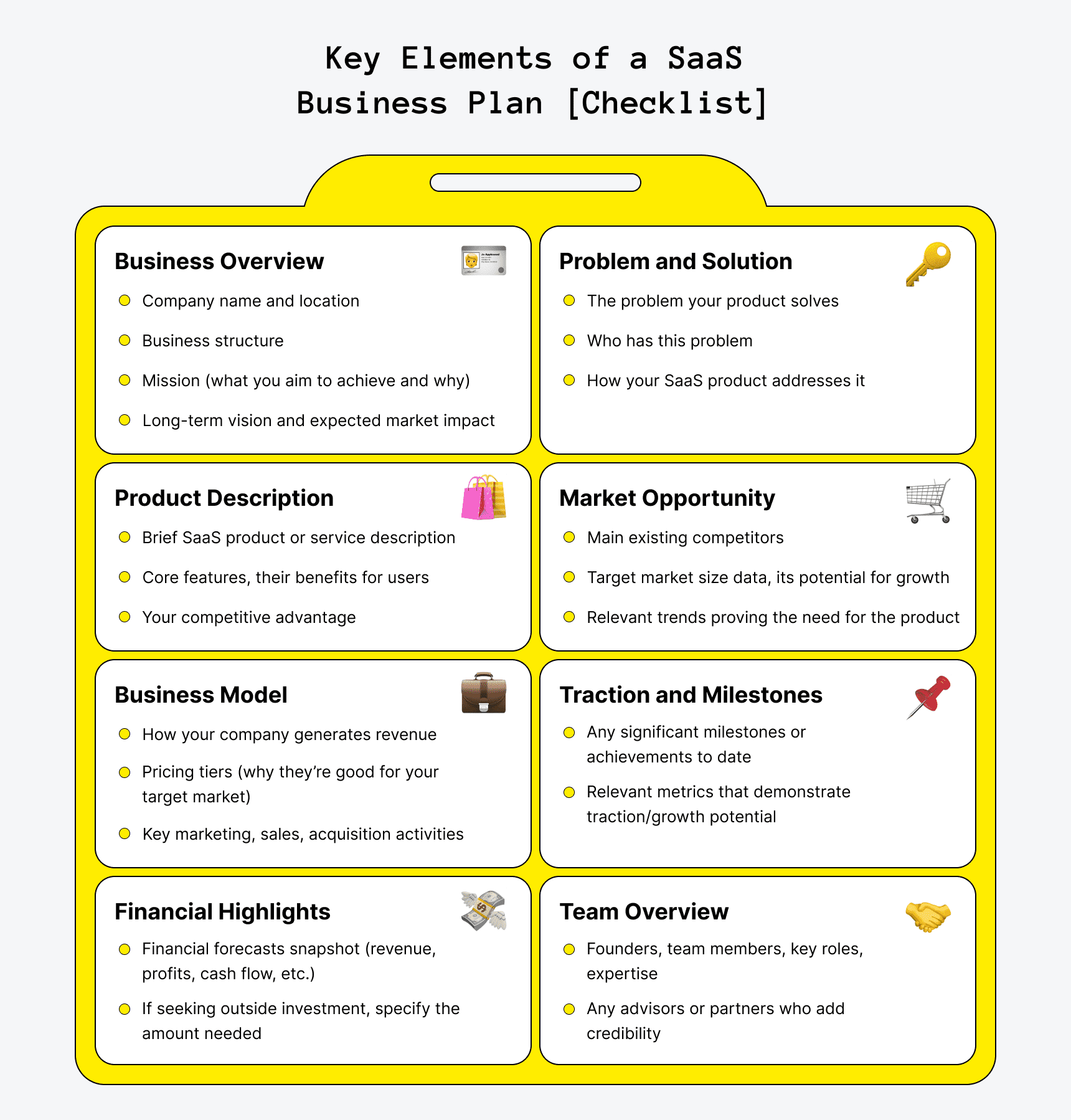
As the digital landscape evolves, Software as a Service (SaaS) businesses continue to gain traction among investors, entrepreneurs, and tech enthusiasts. Investors are especially keen on SaaS models due to their scalability, recurring revenue streams, and ability to meet diverse customer needs. If you’re looking to create a compelling SaaS business plan that catches the eyes of investors, you’re in the right place. In this article, we’ll delve into what makes an investor-approved SaaS business plan, provide real-world examples, and share valuable tips to help you craft a successful strategy for your startup.
Understanding SaaS and Its Appeal to Investors
SaaS represents a software distribution model where applications are hosted in the cloud and provided to users over the internet. This business model eliminates the need for physical installations, making it cost-effective and accessible for businesses and consumers alike. Here’s why investors are particularly drawn to SaaS ventures:
-
Recurring Revenue: SaaS companies typically operate on a subscription basis, allowing for predictable and steady income.
-
Scalability: SaaS businesses can easily scale to accommodate more users without a proportional increase in costs.
-
High Growth Potential: The global SaaS market is expected to grow exponentially, providing massive opportunities for innovative solutions.
-
Customer Retention: With a focus on customer experience and continuous improvement, SaaS companies can encourage long-term loyalty.
Key Components of an Investor-Approved SaaS Business Plan
Creating a SaaS business plan that stands out requires careful consideration of several essential components. Here’s a breakdown of what to include:
1. Executive Summary
The executive summary is the first part of your business plan but often the last to be written. It should succinctly summarize your business idea, value proposition, target market, revenue model, and financial projections. A strong executive summary grabs the reader’s attention and sets the stage for the rest of the plan.
2. Business Description
Lay the foundation for what makes your SaaS solution unique. Describe your business model, the problems you solve, and the industry landscape. Discuss your mission, vision, and values, emphasizing how your SaaS product fits within the broader market context.
3. Market Analysis
Understanding your target market is critical for convincing investors your business is viable. Conduct thorough research on:
- Target customer demographics
- Market size and potential growth
- Competitive landscape and market trends
- Pain points that your SaaS addresses
Utilizing surveys, interviews, and secondary research can help you gain valuable insights into your potential customer base.
4. Marketing Plan
Outline your strategies for acquiring and retaining customers. Investors want to know how you plan to generate leads, nurture prospects, and convert them into paying customers. Discuss your:
- Pricing strategy
- Use of content marketing, SEO, and social media
- Customer relationship management
- Sales funnel and conversion tactics
5. Revenue Model
Transparency regarding your revenue generation strategy is vital. Most SaaS companies use subscription-based models, but there are various tiers you can offer, such as freemium, pay-per-use, or tiered pricing based on features. Explain your chosen model and how it aligns with market expectations.
6. Technology and Development
Highlight the technology stack that powers your SaaS solution. Discuss the development process, the team involved, and any unique features that set your product apart. Address scalability, security, and integration possibilities with existing services.
7. Financial Projections
Investors are particularly interested in your financial forecasts. Provide clear estimates for revenue, expenses, and profit margins over the next 3-5 years. Include projections based on different scenarios: optimistic, pessimistic, and realistic.
8. Team Overview
Show investors why your team can execute this business plan successfully. Include the backgrounds of key team members, emphasizing their relevant experience and skills. A strong, experienced team can instill confidence in investors.

- Overcome negative thought patterns, reduce stress, and live a worry-free life
- Overthinking is the biggest cause of unhappiness
- Don't get stuck in a never-ending thought loop
- Stay present and keep your mind off things that don't matter, and never will
- Break free of your self-imposed mental prison
9. Ask for Funding
Clearly state the amount of funding you’re seeking and how you plan to utilize the investment. Be specific about how the funds will be allocated, whether for product development, marketing, or operational costs. Investors appreciate clarity and detailed plans.
Real Examples of Successful SaaS Business Plans
Examining successful SaaS companies can provide insights into what makes a business plan compelling:
1. Slack
Business Description: Slack is a communication platform designed to streamline team collaboration.
Market Analysis: Slack identified the growing need for efficient communication tools in workplaces, targeting a wide range of industries.
Revenue Model: They initially offered a freemium model, allowing users to access basic features before transitioning to paid accounts.
Financial Success: Slack achieved rapid growth through word of mouth and strategic partnerships, eventually going public in 2019 with a valuation of over $20 billion.
2. Zoom
Business Description: Zoom provides video conferencing solutions that cater to both individuals and businesses.
Market Analysis: In their business plan, they emphasized the rise in remote work and the need for effective virtual communication tools.
Technology and Development: Zoom prioritized user experience and reliable performance, which helped them gain a large user base quickly.
Revenue Model: They utilized a freemium model, which allowed users to try the service before opting for premium subscriptions. During the Covid-19 pandemic, they experienced exponential growth.
3. HubSpot
Business Description: HubSpot offers a comprehensive inbound marketing platform that assists businesses in attracting, engaging, and delighting customers.
Market Analysis: The business plan highlighted the increasing importance of digital marketing strategies in the modern business landscape.
Marketing Plan: HubSpot focused on content marketing and SEO strategies that ultimately positioned them as a thought leader in the SaaS space.
Revenue Model: They implemented a tiered subscription model that catered to different business sizes and needs, ensuring access to both small startups and large enterprises.
Tips for Crafting Your SaaS Business Plan
Understand Your Audience
Consider who will be reading your business plan. Tailor your language and information to engage potential investors. Avoid jargon that may confuse someone outside your industry.
Be Concise but Comprehensive
While you want to provide ample information, it’s crucial to keep the business plan concise. Aim for clarity, and stick to the key points to prevent overwhelming your readers.
Use Visuals
Graphs, charts, and visual aids can enliven your business plan. Visual representations of your financial projections or market analysis can significantly enhance understanding and keep your document engaging.
Prepare for Questions
Anticipate the questions investors may ask after reading your plan. Be ready with data and analyses that support your claims, especially regarding market size, competition, and financial projections.
Continuously Revise and Update
Your business plan should be a living document that evolves as your business grows. Regularly revise and update it in response to market changes or shifts in your strategy.
Conclusion: The Path Forward
Creating an investor-approved SaaS business plan is no small feat, but it’s critical for securing funding and achieving growth. By showcasing your unique value proposition, targeting the right customers, and detailing a comprehensive strategy, you’ll be well on your way to attracting investors.
Remember, real examples like Slack, Zoom, and HubSpot illustrate the possibilities within the SaaS space, but your unique insights and innovative ideas can set you apart. With these tips and a clear plan, you’re in a strong position to embark on your journey into the thriving world of Software as a Service.
So what are you waiting for? Start crafting that business plan today, and take the first step toward making your SaaS dreams a reality!


