
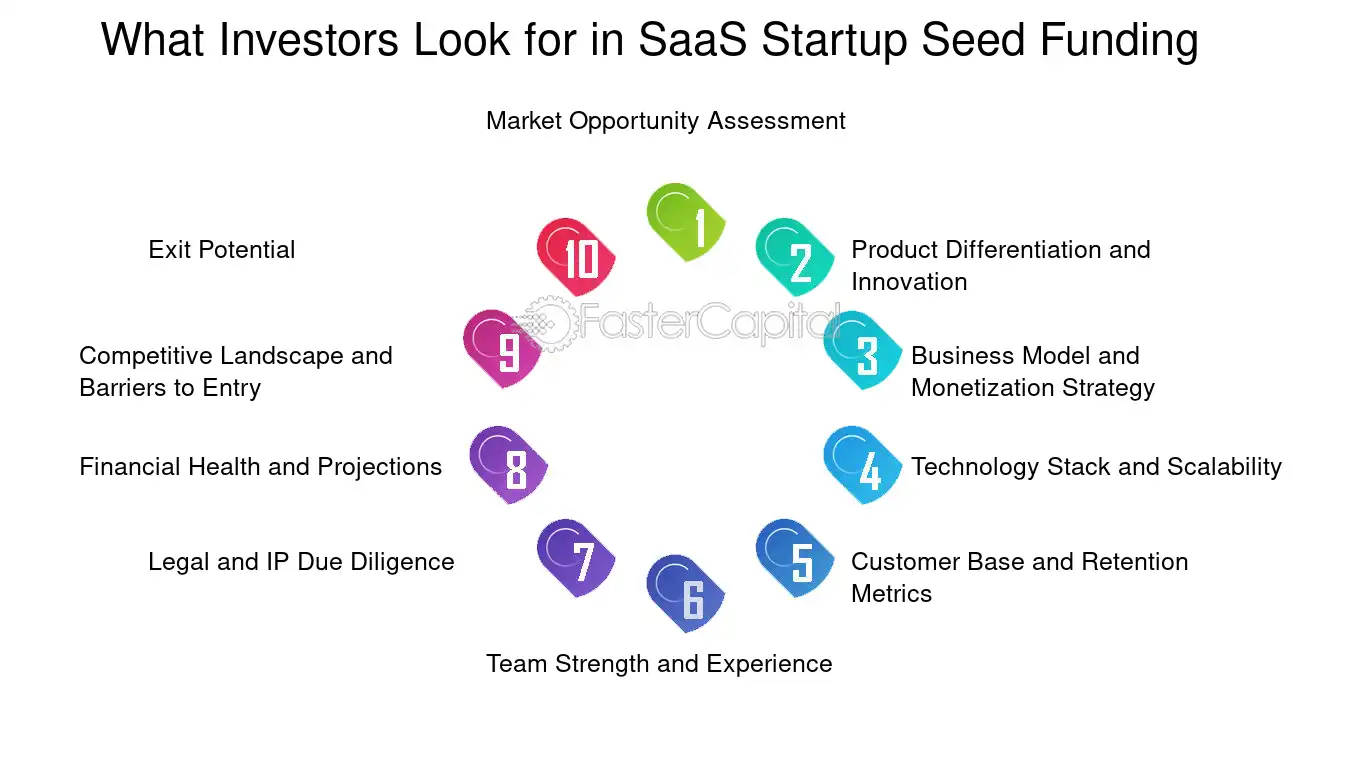
In the rapidly evolving world of technology, Software as a Service (SaaS) businesses are at the forefront of innovation. As many entrepreneurs venture into this promising arena, understanding the nuances of seed funding becomes crucial. Seed funding is often the first round of capital that startups raise to develop their product and go to market. So, what do SaaS business plans need to attract seed funding? In this comprehensive guide, we’ll explore the essential elements that investors look for when considering financing a SaaS startup.
Understanding Seed Funding and Its Importance
Before diving into the specifics of what your SaaS business plan should include, it’s essential to grasp the significance of seed funding. Seed funding usually comes from angel investors, venture capitalists, or even crowdfunding platforms. It provides the necessary capital for startup companies to move from the ideation stage to a fully operational business.
Investors in this stage are often looking for high potential returns. Thus, your business plan must not only be solid but also compelling enough to convey the immense value your SaaS solution brings to the table.
Key Elements of a Winning SaaS Business Plan
1. Strong Value Proposition
At the core of any successful SaaS business is a solid value proposition. This should succinctly explain what makes your software unique and why it’s a must-have for your target audience. Investors want to see that your product addresses a specific pain point or gap in the market. Clearly define your audience, the challenges they face, and how your solution simplifies their lives or enhances their productivity.
2. Market Research and Analysis
A thorough market analysis is critical. Understanding your industry landscape gives investors confidence that you know where you stand and where you want to go. Include the following:
- Target Market: Who are your customers? Are they small businesses, enterprises, or a specific niche?
- Market Size and Growth: Provide statistics about the market size and expected growth rates. Highlight industry trends that support your business model.
- Competitor Analysis: An in-depth look at your competitors is necessary. Identify key players in your sector, analyze their strengths and weaknesses, and showcase how your SaaS solution differentiates itself.
3. A Competent Team
Investors often say they invest in teams rather than ideas. Therefore, detailing your team’s expertise is essential. Highlight the backgrounds, skills, and experiences of the team members, and how they contribute to the success of your SaaS business. If you have advisors or partners with relevant industry experiences, make sure to include them too.
4. Product Development Roadmap
Investors want to see a clear plan for how you will develop your product. This includes:
- MVP (Minimum Viable Product): Outline your plans for creating an MVP. This is crucial for validating your concept in the market while minimizing costs.
- Feature Set: List the key features of your software and explain their significance.
- Development Timeline: Provide a timeline showing when you expect to complete each phase of the development.
5. Monetization Model
Your SaaS business model will determine how you bring in revenue, and investors are keenly interested in this aspect. There are various SaaS pricing models, such as:
- Subscription-Based: Monthly or yearly payments for access to the software.
- Freemium: Offering basic features for free while charging for premium features.
- Usage-Based: Charging based on how much the software is used (i.e., data storage, active users).
Choose the model that suits your product and audience best, and clearly articulate why you’ve made this choice.
6. Go-To-Market Strategy
Once your product is ready, having a comprehensive go-to-market strategy is key for attracting seed funding. This involves:
- Marketing Channels: Identify the most effective channels for reaching your target audience (e.g., social media, content marketing, email marketing).
- Sales Strategy: Describe how you plan to sell your product, whether through a direct sales team or channel partnerships.
- Customer Acquisition Cost (CAC): Provide estimates on how much it will cost to acquire customers. Investors want to know that you can grow efficiently.

- Overcome negative thought patterns, reduce stress, and live a worry-free life
- Overthinking is the biggest cause of unhappiness
- Don't get stuck in a never-ending thought loop
- Stay present and keep your mind off things that don't matter, and never will
- Break free of your self-imposed mental prison
7. Financial Projections
Investors will want to see how you plan to manage your finances and grow your revenue. This includes:
- Income Statement: Provide a projected income statement for at least three to five years.
- Break-Even Analysis: Show when you expect to break even.
- Funding Requirements: Clearly indicate how much funding you are seeking, what it will be used for, and how it will accelerate growth.
8. Metrics for Success
For a SaaS business, certain key performance indicators (KPIs) are particularly crucial:
- Customer Lifetime Value (CLV): The average revenue that a single customer is expected to generate throughout their relationship with your business.
- Monthly Recurring Revenue (MRR): Predictable revenue your business can expect every month.
- Churn Rate: The percentage of customers who stop subscribing over a given timeframe. A low churn rate is a positive indicator.
Including existing metrics, if available, can substantially bolster your case for investment.
9. Exit Strategy
Lastly, it’s essential to talk about exit strategies. Investors want to know how they can eventually cash out on their investment, whether through acquisition, IPO, or other means. Provide potential exit scenarios that align with current trends within your sector.
Crafting Your Pitch Deck
In addition to your business plan, a pitch deck is often required when seeking seed funding. This is a brief presentation that highlights the most critical aspects of your business plan. Keep it concise and focus on the following:
- Slide 1: Introduction – Who you are and what your SaaS product is about.
- Slides 2-3: Problem and Solution – Illustrate the pain points and how your SaaS addressing them.
- Slides 4-5: Market and Competition – Present your market size and key competitors.
- Slides 6-7: Business Model and Financials – Discuss your revenue model and financial projections.
- Slide 8: Team – Highlight the strengths of your team.
- Slide 9: Closing – Include a clear ask for funding and any next steps.
Building Relationships with Investors
While a solid business plan and pitch deck are critical, remember that building relationships with investors can make a significant difference. Attend networking events, reach out to mentors, and engage in online communities to expand your network. Understanding what investors are looking for and fostering relationships can help you secure that all-important seed funding.
Conclusion
Navigating the seed funding landscape for your SaaS startup may seem daunting, but with the right approach and a well-prepared business plan, you can significantly increase your chances of securing the investment you need. Focus on presenting a strong value proposition, conducting thorough market analysis, and building a competent team. Don’t forget to communicate your product roadmap, monetization strategy, and financial projections clearly.
Remember, investors are not just looking at numbers—they want to see passion, dedication, and the potential for growth. Your business plan is your chance to showcase all these elements. By presenting a comprehensive and compelling case, you’re not just looking for funding; you’re telling a story about the future of your SaaS business.
In summary, keep refining your business plan, hone your pitch, and build valuable connections. With determination and the right resources, you’ll be well on your way to securing that essential seed funding and bringing your SaaS vision to life. Happy pitching!


