
Starting a business can be an exhilarating journey, filled with dreams and aspirations. However, when it comes to legalities and taxation, it can also be a minefield of stress and confusion. Among the various structures you might consider for your startup, a Limited Liability Company (LLC) often stands out. But is an LLC the right tax structure for your startup? Let’s explore the advantages and disadvantages of forming an LLC, its tax implications, and whether it’s the best fit for your entrepreneurial vision.
Understanding LLCs: The Basics
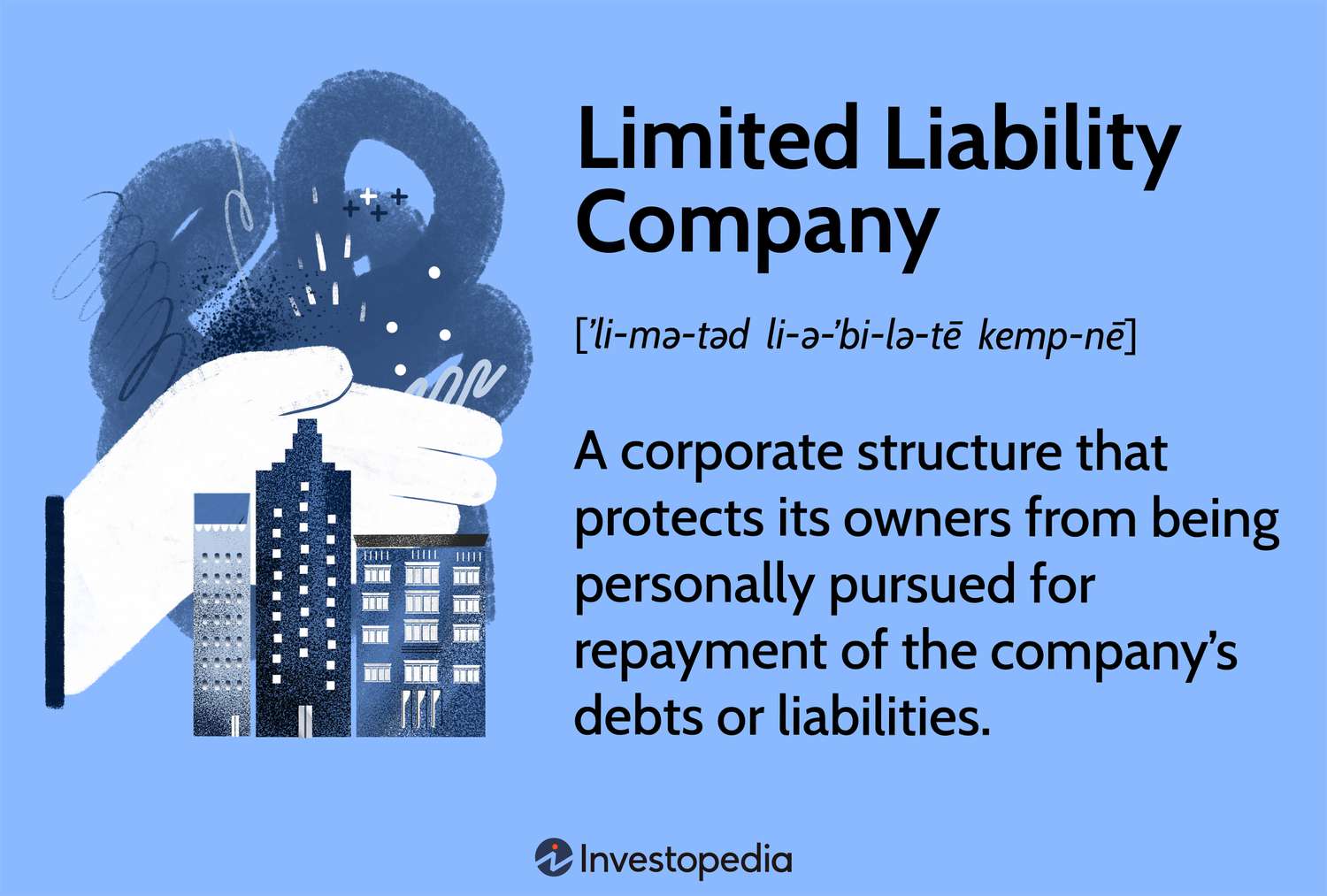
Before diving deeper, it’s essential to understand what an LLC is. A Limited Liability Company is a business structure that combines the benefits of a corporation and a partnership. It provides owners—commonly called “members”—with limited personal liability for business debts, meaning their personal assets are generally shielded from business liabilities.
LLCs are popular among small business owners and startups, thanks to their unique advantages. They are flexible, easy to set up, and require less formal administration than corporations. Additionally, they can be taxed as partnerships, sole proprietorships, or corporations, depending on the number of members and their specific tax preferences.
The Advantages of an LLC
-
Limited Liability Protection: The primary benefit of an LLC is personal liability protection. When you form an LLC, the business is legally separate from its owners, meaning that creditors can’t pursue personal assets (like your house or car) to satisfy business debts.
-
Pass-Through Taxation: For tax purposes, an LLC can elect to be treated as a pass-through entity, meaning that profits and losses can be passed directly to members without subjecting the business to corporate taxes. This structure allows members to report income on their personal tax returns, avoiding the double taxation corporations face.
-
Flexibility in Management: LLCs have fewer restrictions on management structures compared to corporations. They can be member-managed or manager-managed, giving owners the choice to maintain control or delegate management duties.
-
Simple Compliance Requirements: LLCs are generally subject to fewer regulations and ongoing compliance requirements than corporations. While you may need to file annual reports and pay an annual fee in your state, the paperwork and administrative tasks are less burdensome, allowing you to focus more on your business.
-
Credibility with Customers and Investors: Establishing your startup as an LLC can enhance its credibility. Many customers and investors prefer to work with businesses that have legal protections and a formal structure, which an LLC provides.
Disadvantages of an LLC
-
Self-Employment Taxes: One of the significant downsides of an LLC structure is that members may be subject to self-employment taxes on all net earnings. This includes Social Security and Medicare taxes, which can be higher than corporate tax rates.
-
State-Specific Issues: The formation and regulation of LLCs can vary by state. Some states impose additional fees, taxes, or stringent regulations on LLCs, which may complicate the formation process. It’s essential to research your state’s specific laws before deciding on an LLC.
-
Limited Life Span: In some states, an LLC may have a limited lifespan (e.g., it might dissolve if a member leaves or passes away). This can be a drawback if you’re planning for a long-term business legacy.
-
Difficulty in Raising Capital: While LLCs can attract investors, they may have a harder time than C corporations when it comes to raising large amounts of capital through equity financing. Investors often prefer the structure and familiarity of C corporations, especially if they’re looking for venture capital.
-
Legal Complexity: Although LLCs are easier to manage than corporations, they still require adherence to specific legal guidelines. The formation process includes filing paperwork, drafting an operating agreement, and potentially more, which may necessitate legal counsel.

- Overcome negative thought patterns, reduce stress, and live a worry-free life
- Overthinking is the biggest cause of unhappiness
- Don't get stuck in a never-ending thought loop
- Stay present and keep your mind off things that don't matter, and never will
- Break free of your self-imposed mental prison
Is an LLC the Best Tax Structure for Your Startup?
Choosing the right tax structure for your startup depends on several factors, including your business goals, the number of owners, projected revenue, and long-term growth plans. Here are some considerations to help you decide if an LLC is the best fit:
1. Assess Your Personal Liability
If limiting personal liability is a top priority, an LLC might be the best choice. It protects your personal assets from business debts, which can provide peace of mind for entrepreneurs, especially those in industries with heightened risk.
2. Consider Your Tax Situation
Evaluate your anticipated income. If you’re expecting to earn significant profits, an LLC may not be the most tax-efficient option due to self-employment taxes. Conversely, if you’re just starting and anticipate lower earnings, the pass-through taxation could be beneficial.
3. Examine Your Long-Term Plans
If you’re aiming for rapid growth or plan to seek investment, consider how an LLC aligns with those goals. While they can certainly raise money, startups planning to scale significantly might benefit from the structure of a C corporation, which offers more extensive options for attracting investors and going public.
4. Evaluate Management Preferences
If you prefer a flexible management structure, the LLC offers you the choice of whether to manage the company yourself or delegate those responsibilities. This can be particularly attractive if you want to bring in partners or hire management without the formality of a corporation.
5. Research State Regulations
Business regulations can significantly impact your choice. Look into the specific laws and fees associated with LLCs in your state. Evaluate whether these align with your business plan and whether you can comply with any ongoing requirements.
Alternatives to LLC: What Are Your Options?
If after consideration you feel that an LLC may not be the right fit for your startup, here are some alternative tax structures you might explore:
-
S Corporation: Like LLCs, S Corporations offer liability protection and pass-through taxation. However, they have stricter ownership requirements and limitations on the number of shareholders.
-
C Corporation: This is a more traditional corporate structure. Although they face double taxation, C Corporations aren’t limited on the type or number of shareholders, making them more appealing to investors.
-
Sole Proprietorship: The simplest form of business organization. While it’s easy to set up and involves less paperwork, it does not offer personal liability protection.
-
Partnership: If you intend to team up with others in the business, consider a partnership structure. Partners share in the liabilities and profits.
Conclusion: Making the Right Choice for Your Startup
Deciding on the right business structure is one of the most critical decisions you’ll make as a startup founder. An LLC can offer substantial benefits, including personal liability protection, tax flexibility, and management simplicity. However, it’s essential to weigh these advantages against the potential downsides and consider your long-term business objectives.
Ultimately, the choice between an LLC and other structures boils down to your unique needs as a business owner. If you believe that the advantages of an LLC align with your goals, it could serve as an excellent foundation for your startup. However, if you’re still uncertain, consulting with a legal or financial advisor can help you navigate the labyrinth of business structures and ensure that you’re making the best choice for your entrepreneurial journey.
In the vibrant world of startups, your business structure is your launchpad. Choose wisely, and set forth on the path to success.


