
In the competitive SaaS (Software as a Service) market, upsell and cross-sell strategies are crucial for maximizing revenue and enhancing customer lifetime value. These approaches not only boost revenue but also deepen customer engagement, fostering long-term loyalty. This article delves into the intricacies of upselling and cross-selling, highlighting their significance, strategies, and best practices for SaaS companies.
Understanding Upsell and Cross-sell
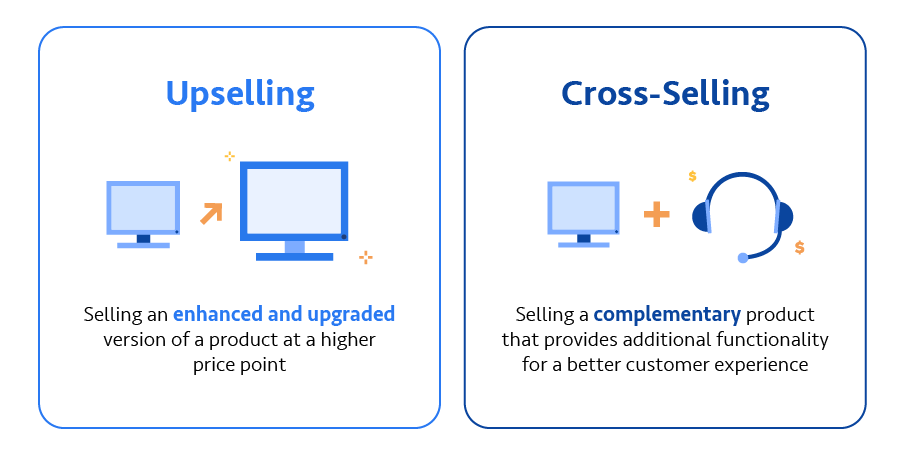
Upselling involves encouraging customers to purchase a higher-tier product or service than the one they initially intended to buy. This could mean upgrading to a premium subscription or adding extra features that enhance the user experience.
Cross-selling, on the other hand, entails suggesting complementary products or services that add value to the primary purchase. For example, if a customer subscribes to a project management tool, cross-selling might involve recommending a time-tracking or team collaboration app.
The Importance of Upsell and Cross-sell Rates
1. Increased Revenue: Upsell and cross-sell strategies directly contribute to higher average transaction values, driving more revenue per customer.
2. Enhanced Customer Value: By offering more tailored solutions, these strategies increase the overall value delivered to customers, improving satisfaction and loyalty.
3. Cost Efficiency: Acquiring new customers is often more expensive than selling to existing ones. Upselling and cross-selling leverage existing relationships to generate more revenue at a lower cost.
Effective Strategies for Upselling and Cross-selling
1. Segment Your Customers: Understand your customer base and segment them based on usage patterns, needs, and behaviors. This helps in tailoring upsell and cross-sell offers that resonate with specific customer segments.
2. Leverage Data and Analytics: Utilize data analytics to identify opportunities for upselling and cross-selling. Track customer interactions and behaviors to predict what additional products or features they might find valuable.
3. Personalized Recommendations: Use AI and machine learning to provide personalized product recommendations. Tailored suggestions based on individual customer data can significantly improve conversion rates.
4. Value-driven Messaging: Clearly communicate the value and benefits of the upsell or cross-sell offer. Customers are more likely to make additional purchases if they understand how it will enhance their overall experience.
5. Timing is Key: Present upsell and cross-sell offers at the right time. This could be during the onboarding process, at the time of renewal, or when a customer achieves a specific milestone.
6. Trial and Demos: Offer free trials or demos of higher-tier products or complementary services. This allows customers to experience the benefits firsthand, increasing the likelihood of conversion.
Case Studies and Real-World Examples
Several SaaS companies have successfully implemented upsell and cross-sell strategies to boost their revenue:
1. Slack: Slack offers a free version of its team collaboration tool with limited features. Users who need more advanced functionalities are encouraged to upgrade to a paid plan. Additionally, Slack cross-sells integrations with other tools like Google Drive and Zoom, enhancing its value proposition.
2. Dropbox: Dropbox uses upselling by offering more storage and advanced features in its premium plans. Cross-selling is achieved through partnerships, suggesting complementary tools like e-signature apps.
3. HubSpot: HubSpot provides a suite of marketing, sales, and service software. They upsell by offering higher-tier packages with additional features and cross-sell by suggesting related tools that integrate seamlessly with their platform.
Measuring Success
To gauge the effectiveness of upsell and cross-sell strategies, SaaS companies should track key metrics:
1. Upsell Rate: The percentage of customers who upgrade to higher-tier products. This helps in understanding the effectiveness of your upsell efforts.
2. Cross-sell Rate: The percentage of customers who purchase additional complementary products. This metric indicates the success of your cross-sell strategies.
3. Average Revenue Per User (ARPU): Tracking ARPU before and after implementing upsell and cross-sell strategies can provide insights into their impact on overall revenue.
4. Customer Lifetime Value (CLTV): An increase in CLTV indicates that customers are finding more value in your offerings, leading to longer and more profitable relationships.
Best Practices for SaaS Companies
1. Customer-Centric Approach: Always prioritize the customer’s needs and preferences. Tailored and relevant offers are more likely to convert and build trust.
2. Continuous Optimization: Regularly analyze the performance of your upsell and cross-sell campaigns and refine them based on data and feedback.
3. Educate and Train Your Team: Ensure your sales and customer support teams are well-versed in upsell and cross-sell techniques and can effectively communicate the value to customers.
4. Integrate Seamlessly: Ensure that upsell and cross-sell processes are integrated seamlessly into the customer journey, avoiding any disruption to the user experience.
Conclusion
Upsell and cross-sell strategies are powerful tools for SaaS companies aiming to maximize revenue and enhance customer value. By leveraging data, personalizing offers, and focusing on customer needs, businesses can effectively implement these strategies and achieve significant growth. As the SaaS market continues to evolve, companies that master the art of upselling and cross-selling will be better positioned to thrive in a competitive landscape.


