
Are you ready to set sail in the dynamic world of commercial real estate lending? In today’s ever-changing market, navigating through turbulent waters can present both challenges and opportunities. From fluctuations in property values to shifting regulatory requirements, staying ahead of the game requires a keen understanding of the unique intricacies in this industry. In this blog post, we will explore the key challenges that commercial real estate lenders face, as well as the promising opportunities that lie within these stormy seas. So grab your compass, fasten your seatbelt, and join us as we embark on a journey of discovery – all about navigating the turbulence in commercial real estate lending: challenges and opportunities.
I. Understanding the Current State of the Commercial Real Estate Lending Market
A. Overview of the commercial real estate lending market
The commercial real estate lending market plays a vital role in financing properties for various purposes such as office spaces, retail centers, and industrial facilities. It involves lenders providing loans to borrowers, who then utilize the funds for commercial real estate projects.
B. Key factors affecting commercial real estate lending
Several factors influence the commercial real estate lending market, including interest rates, economic conditions, and regulatory policies. These factors can impact the availability of credit and the willingness of lenders to provide loans.
C. Impact of economic trends on commercial real estate lending
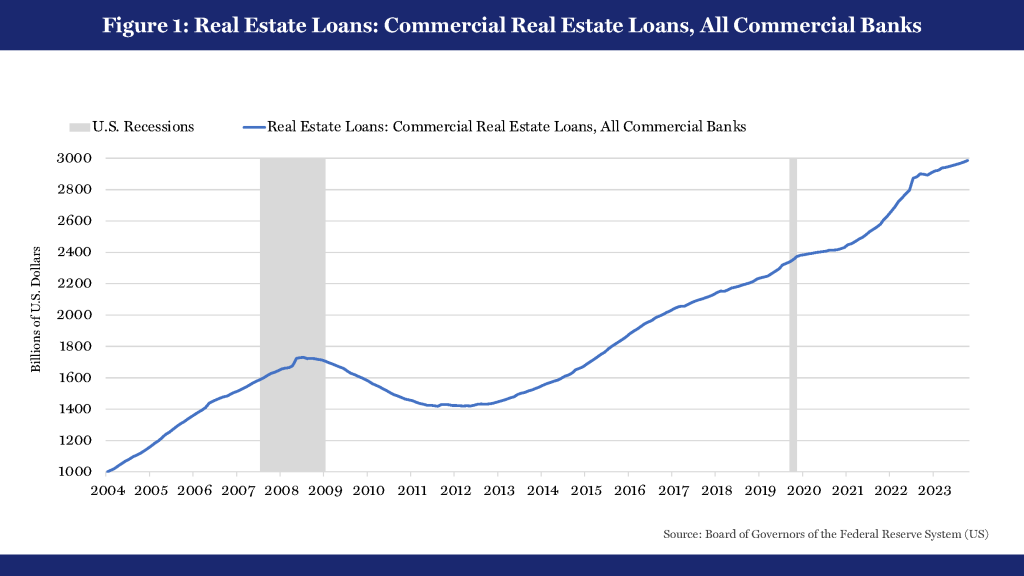
Economic trends, such as GDP growth, unemployment rates, and inflation, influence the demand and supply of commercial real estate loans. During periods of economic expansion, the demand for commercial properties and loans tend to be high. On the other hand, during economic downturns, lenders may become more cautious in granting loans, leading to a decline in lending activity.
II. Challenges in Commercial Real Estate Lending
A. Tightening credit standards and regulations
In the aftermath of the 2008 financial crisis, regulatory authorities implemented stricter credit standards and regulations to prevent another market collapse. Lenders are now required to conduct rigorous due diligence, assess borrower creditworthiness, and maintain higher capital reserves. These tighter regulations can make it more challenging for borrowers to qualify for loans and for lenders to navigate the lending process.
B. Rising interest rates and their implications on lending
Interest rates play a significant role in commercial real estate lending. As interest rates rise, borrowing costs increase, potentially reducing the demand for loans. Higher interest rates can also impact property valuations and the affordability of loan repayments, thus affecting the profitability of commercial real estate investments.
C. Market volatility and uncertainty
The commercial real estate market is susceptible to fluctuations and uncertainty. Changes in market conditions, such as shifts in supply and demand, can impact property values and the overall stability of the market. Lenders must navigate these uncertainties while assessing the risk associated with potential loans.
D. Competition from non-traditional lenders
Non-traditional lenders, such as peer-to-peer lending platforms and online lending marketplaces, have gained traction in the commercial real estate lending space. These lenders offer alternative financing options with simplified processes and quicker approval times, posing a competitive challenge to traditional lenders.
III. Strategies to Overcome Commercial Real Estate Lending Challenges
A. Building strong relationships with lenders and investors
Establishing strong relationships with lenders and investors is crucial for successful commercial real estate lending. Maintaining open lines of communication, regularly providing updates on market trends, and demonstrating a track record of successful projects can help build trust and increase the likelihood of securing loans.
B. Improving financial indicators and creditworthiness
Borrowers can enhance their creditworthiness by improving financial indicators such as credit scores, debt-to-income ratios, and liquidity positions. Demonstrating financial stability and a strong repayment capacity can make borrowers more attractive to lenders and increase their chances of securing favorable loan terms.
C. Leveraging technology for efficient loan processing
Technology plays a vital role in streamlining loan processing and improving efficiency. Lenders can leverage advanced data analytics to assess risk and make informed lending decisions. Automation tools can also simplify documentation processes and reduce turnaround times, enhancing the overall borrower experience.
D. Implementing risk management practices
Mitigating risks is crucial for successful commercial real estate lending. Lenders should implement robust risk management practices, including thorough property assessments, comprehensive market analysis, and stress testing scenarios. By identifying and addressing potential risks, lenders can minimize financial losses and increase their chances of success.
IV. Identifying Opportunities in Commercial Real Estate Lending
A. Emerging trends in the commercial real estate market
The commercial real estate market is constantly evolving, presenting various opportunities. Emerging trends, such as the rise of co-working spaces, sustainable buildings, and e-commerce warehouses, offer new avenues for investment and lending. Staying updated with market trends can help lenders identify profitable opportunities.
B. Exploring niche markets and specialized lending
Lenders can explore niche markets within commercial real estate lending, such as healthcare facilities or multi-family housing, to maximize their profitability. Specialized lending allows lenders to differentiate themselves and cater to specific borrower needs, creating a competitive advantage.
C. Capitalizing on government programs and incentives
Government programs and incentives, such as low-interest loans or tax credits, can provide opportunities for lenders to expand their lending portfolios. By actively participating in these programs, lenders can support economic development initiatives while benefiting from favorable terms and conditions.
D. Collaborating with industry experts and advisors
Collaborating with industry experts and advisors can provide valuable insights and guidance in navigating the commercial real estate lending market. Building relationships with professionals who understand the intricacies of the industry can help lenders identify opportunities, mitigate risks, and make informed decisions.
V. Best Practices for Successful Commercial Real Estate Lending
A. Conducting thorough due diligence on potential borrowers
Thorough due diligence is essential when evaluating potential borrowers. Lenders must assess the financial health, track record, and reputation of borrowers to ensure their ability to repay the loan. This includes analyzing financial statements, credit reports, and conducting background checks.
B. Developing effective loan structuring and underwriting strategies
Loan structuring and underwriting strategies play a crucial role in determining the success of commercial real estate lending. Lenders should carefully evaluate the unique characteristics of each loan and tailor the terms and conditions to mitigate risks and maximize returns.
C. Mitigating risks through comprehensive property assessments
Conducting comprehensive property assessments is necessary to assess the value, condition, and potential risks associated with the underlying collateral. Lenders should consider factors such as location, market demand, and property condition to mitigate the risk of asset depreciation and potential loan defaults.
D. Establishing clear communication channels with borrowers
Establishing clear and effective communication channels with borrowers is vital for successful commercial real estate lending. Regularly updating borrowers on loan progress, providing transparent information, and addressing concerns promptly fosters trust and ensures a smooth lending process.
VI. The Role of Technology in Commercial Real Estate Lending
A. Utilizing data analytics for market insights and risk assessment
Data analytics can provide lenders with valuable market insights and help assess potential risks. By analyzing historical data, market trends, and borrower behavior, lenders can make data-driven decisions and mitigate risk exposure.
B. Streamlining loan origination and documentation processes
Technology allows lenders to automate loan origination and documentation processes, reducing manual errors and improving operational efficiency. Online portals, electronic signatures, and document management systems streamline the lending process, resulting in faster approval times and enhanced borrower experiences.
C. Embracing digital platforms for enhanced borrower experiences
Digital platforms can provide borrowers with user-friendly interfaces, simplified loan applications, and greater transparency throughout the lending process. Embracing these digital solutions enhances the borrower experience, leading to increased customer satisfaction and loyalty.
D. Enhancing cybersecurity measures in lending operations
With the increasing reliance on technology, lenders must prioritize cybersecurity to protect sensitive borrower information. Implementing robust cybersecurity measures such as data encryption, multi-factor authentication, and regular system audits ensures the integrity and confidentiality of borrower data.
VII. Case Studies of Successful Commercial Real Estate Lending
A. Example 1: How XYZ Bank overcame lending challenges and achieved success
XYZ Bank faced tightening credit standards and increased competition from non-traditional lenders. To overcome these challenges, the bank focused on building strong relationships with borrowers and investors, leveraging technology for efficient loan processing, and implementing rigorous risk management practices. As a result, XYZ Bank successfully navigated the turbulence in the commercial real estate lending market and achieved significant growth.
B. Example 2: The innovative approach of ABC Lending in a competitive market
ABC Lending differentiated itself in a highly competitive market by offering specialized lending options tailored to niche markets. By focusing on areas such as healthcare facilities and hospitality properties, ABC Lending captured a unique market segment and experienced substantial success. Their innovative approach showcased the importance of exploring niche markets in commercial real estate lending.
C. Example 3: The role of technology in DEF Lending’s rapid growth
DEF Lending embraced technology to streamline loan origination and documentation processes. By leveraging data analytics and digital platforms, DEF Lending achieved faster approval times, improved borrower experiences, and rapid growth in their lending portfolio. This case study highlighted the significant role technology plays in driving success in commercial real estate lending.
VIII. Conclusion: Navigating the Future of Commercial Real Estate Lending
A. Recap of key challenges and opportunities in commercial real estate lending
Commercial real estate lenders face challenges such as tightening credit standards, rising interest rates, market volatility, and competition from non-traditional lenders. However, there are also promising opportunities in emerging trends, niche markets, government programs, and collaborations with industry experts.
B. Importance of adapting to market changes and embracing new strategies
As the commercial real estate lending market continues to evolve, it is crucial for lenders to adapt to market changes and embrace new strategies. By staying informed, leveraging technology, and adopting best practices, lenders can overcome challenges and capitalize on opportunities.
C. Final thoughts on the future outlook of commercial real estate lending
The future outlook of commercial real estate lending is undoubtedly shaped by various factors, including economic trends, regulatory changes, and technological advancements. By staying proactive, innovative, and adaptable, commercial real estate lenders can navigate the turbulence in the market and thrive in this dynamic industry.
So, are you ready to navigate the turbulence in commercial real estate lending? With the right strategies, a thorough understanding of the market, and the willingness to embrace change, you can embark on a successful journey in this ever-evolving sector. Bon voyage!


