The Future of Television: Understanding The New Digital TV
In recent years, the world of television has undergone significant changes, driven by technological advancements and shifting viewer habits. As we bid farewell to analog TV transmissions, we’re embracing a new era of digital television that promises better picture quality, improved audio, and enhanced user experience. In this article, we’ll delve into the world of new digital TV, exploring what it entails, how it works, and what you need to know to stay ahead.
What is New Digital Tv?
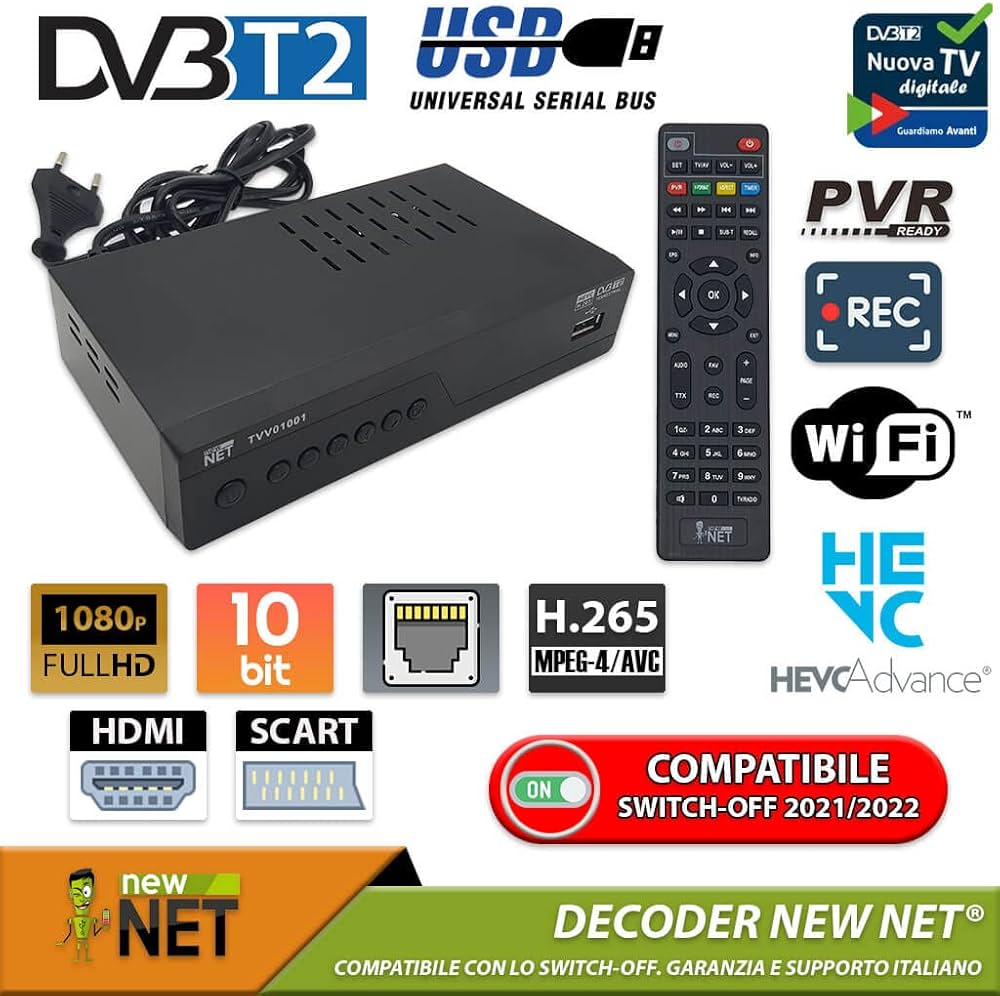
New digital TV refers to the transition from traditional analog TV broadcasts to a digital terrestrial standard called DVB-T2 (Digital Video Broadcasting – Second Generation Terrestrial). This technology uses the HEVC (High Efficiency Video Coding) codec for transmitting video and audio content. To access this new standard, your television or decoder must be compatible with DVB-T2 and HEVC Main10.
The Advantages of New Digital TV
So, what are the benefits of embracing new digital TV? Here are a few:
- Improved Picture Quality: With DVB-T2 and HEVC Main10, you can enjoy high-definition (HD) and 4K resolution on your television.
- Better Audio Quality: The new standard also ensures improved audio fidelity, providing an enhanced viewing experience.
- Less Electromagnetic Pollution: Digital TV transmissions use lower power levels than analog broadcasts, reducing electromagnetic interference.
When Will The Transition Occur?
The transition to new digital TV is already underway. In Italy, for instance, the process began with the mandatory switch-off of MPEG-2 transmissions in favor of MPEG-4 on standard DVB-T, which took place in October 2021. The next phase involves transitioning to the new format of video in high definition, which requires compatible TVs or decoders.
How Can I Check If My TV is Compatible?
If you’re unsure whether your television or decoder supports the new digital terrestrial standard, follow these steps:
- Check For Mpeg-4 Support: Tune into a channel that broadcasts in HD (e.G., Rai 1 HD, Rai 2 HD, Channel 5 HD, etc.). If you can receive these channels without any issues, your TV or decoder likely supports the new standard.
- Verify Dvb-t2 Compatibility: Look for the presence of the DVB-T2 and HEVC Main10 indication in your device’s technical specifications. If it’s there, you’re good to go!
- Try Channel Tuning on Test Channels 100 And 200: If your TV or decoder doesn’t support these channels, upgrade to a compatible model.
What About Satellite Tv?
The new standard also applies to satellite TV, where the DVB-S2 (Digital Video Broadcasting – Satellite 2) will enable transmissions in HD and 4K. This means that only TVs or decoders with support for MPEG-4 or superior encodings will continue to work. For now, you can keep using your current satellite setup with a certified CAM device.
Upgrading to Compatible TV or Decoder
If your TV or decoder isn’t compatible, it’s time to upgrade! You can choose from various options:
- Purchase a New TV: Look for models released after December 2018 that support DVB-T2 and HEVC Main10.
- Acquire an External Digital TV Decoder: This device will enable you to receive the new standard on your current TV.